
Roofing for Food Processing & Cold Storage Facilities in Ontario, CA
Roof Work Over Food Processing and Cold Storage Plants in the Inland Empire
A refrigerated warehouse near Chino or Eastvale does not fail the way a dry-goods box does. Water intrusion over a freezer deck brings condensation, ice buildup, and product risk long before anyone sees a stain on a ceiling tile. We scope food processing and cold storage roofs across the Inland Empire with that difference built into every estimate.
The Vapor Drive Problem Under a Refrigerated Deck
A roof over a freezer or cooler fights a vapor drive problem a dry warehouse never sees. Warm, humid outside air pushes moisture toward the cold interior side of the assembly on most days of the year in this climate, and if the vapor retarder has a gap , a fastener penetration, a seam that was never lapped correctly, a spot where insulation boards do not sit tight , moisture condenses inside the roof instead of shedding off the top. That moisture does not dry out on its own. It cycles with temperature swings and slowly turns rigid insulation into wet insulation carrying a fraction of its rated R-value.
We test suspect areas with core cuts and infrared moisture scans before recommending a fix, because patching the membrane over a wet-insulation problem solves nothing. On more than one Inland Empire cold storage roof we have opened up, the membrane itself was in good shape and the failure sat entirely below it , a vapor retarder detail missed at a curb or parapet years before we got the call.
Rooftop Equipment Turns the Roof Into a Mechanical Yard
Cold storage and processing roofs carry more hardware per square foot than almost any other building type: condenser units, chillers, ammonia or CO2 refrigeration package units, exhaust for cooking or blast-freeze operations, and a walking path between all of it for the refrigeration techs who service it weekly. Every one of those units sits on a curb or dunnage frame that penetrates the membrane, and every one of those paths carries foot traffic a standard warehouse roof never sees.
We flash refrigeration curbs for vibration and thermal movement, in addition to static weight, and we set walk pads on the paths your mechanical contractors actually use , not a generic grid pulled from a drawing that was never field-verified. Skipping that step is how a roof with a five-year-old membrane ends up with a decade of accumulated puncture damage along one 40-foot stretch nobody flagged.
Why a Leak Over a Production Line Costs More Than the Water Suggests
A drip over racked frozen goods or an active production line is a food safety event the moment it touches product or packaging, not a maintenance inconvenience. Facility managers we work with have to document, quarantine, and sometimes destroy anything water reached, on top of whatever cleaning and inspection their quality program requires before the line runs again. We treat an active leak call on a food or cold storage building as an emergency dispatch, and we document the repair with photos and a written scope so your quality team has a paper record for its own file.
Because so much of this building stock in Chino, Ontario Ranch, and Eastvale converted from dairy and agricultural use to cold chain logistics over the last decade, roof assemblies here span a wide range of ages and installation quality. An older cap sheet roof retrofitted for refrigerated use carries a different risk profile than a newer single-ply roof built for cold storage from the start, and we scope each on its own condition rather than a standard playbook.
Maintenance That Keeps a Refrigerated Roof Out of Emergency Mode
A maintenance visit on a food or cold storage roof covers ground a dry warehouse inspection does not:
- Refrigeration curb flashings and vibration isolation points, checked for movement cracks before they leak
- Walk pad condition on the service paths your mechanical techs actually use, not the paths on the original drawing
- Drain and scupper clearing, since standing water over a refrigerated deck accelerates condensation problems underneath
- Vapor retarder integrity at penetrations and parapets, checked with moisture scanning where prior repairs are suspect
- Insulation moisture testing on any section with a history of interior cold spots or frost on ceiling steel
Chino and Eastvale: Dairyland Converted to Cold Chain
Chino's shift from dairy operations to logistics has left a mix of retrofitted agricultural buildings and new-build fulfillment space, much of it now running refrigerated or frozen storage for grocery distribution. Eastvale's newer mega-warehouses near the Goodman Commerce Center were built with cold chain use in mind from the start, which usually means a cleaner vapor retarder detail than a converted building , but new construction is not immune to installation errors, and we have found gaps in first-generation roofs on buildings barely five years old.
Either way, the fix depends on what the moisture survey shows. We will not sell a full tear-off and replacement on a building where the problem is isolated to one curb detail, and we will not recommend a coating over insulation that is already saturated.
What Food and Cold Storage Operators Ask Us
Can you work without shutting down a production line underneath?
Usually. We coordinate hot-work and access timing with your operations lead, stage debris away from intake and loading areas, and schedule the loudest phases around your production windows where possible.
How do you know if a leak is coming from the roof or from condensation inside the building?
We look at both. Interior condensation on ductwork or steel can mimic a roof leak, so before quoting repair work we trace the actual water path, which sometimes points to an HVAC or refrigeration issue rather than the membrane.
Do you handle roofs with ammonia refrigeration systems on top?
Yes, with the safety coordination that requires. We work with your refrigeration contractor on lockout procedures and curb access before any roof work happens near ammonia piping or package units.
What is the biggest roof mistake you see on converted cold storage buildings?
A vapor retarder that was never properly tied into the original roof assembly when the building converted from dry storage to refrigerated use. It stays invisible until the insulation underneath is already wet.
Can you inspect a cold storage roof before we lease or buy the building?
Yes. A pre-transaction survey with moisture scanning gives you real data on insulation condition, beyond a visual check of the membrane, which matters more on a refrigerated building than almost any other type.
Related
Ready to review the roof scope?
Request a Roof AssessmentProject List
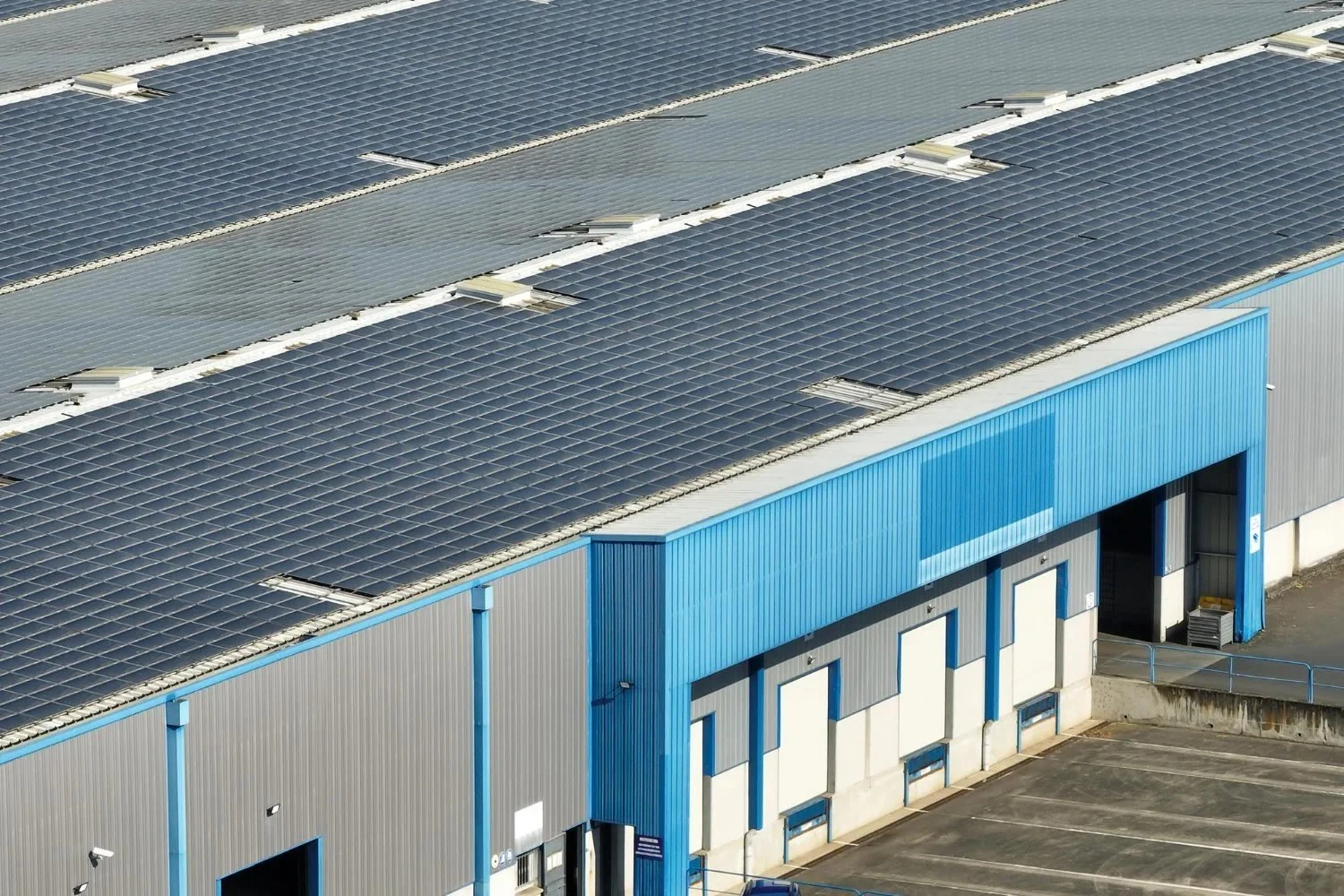
Roofing for Manufacturing Plants in Ontario, CA
Roof repair and replacement for manufacturing plant managers in Ontario, CA: process-equipment flashing, downtime-based scheduling, and lifecycle budgets.
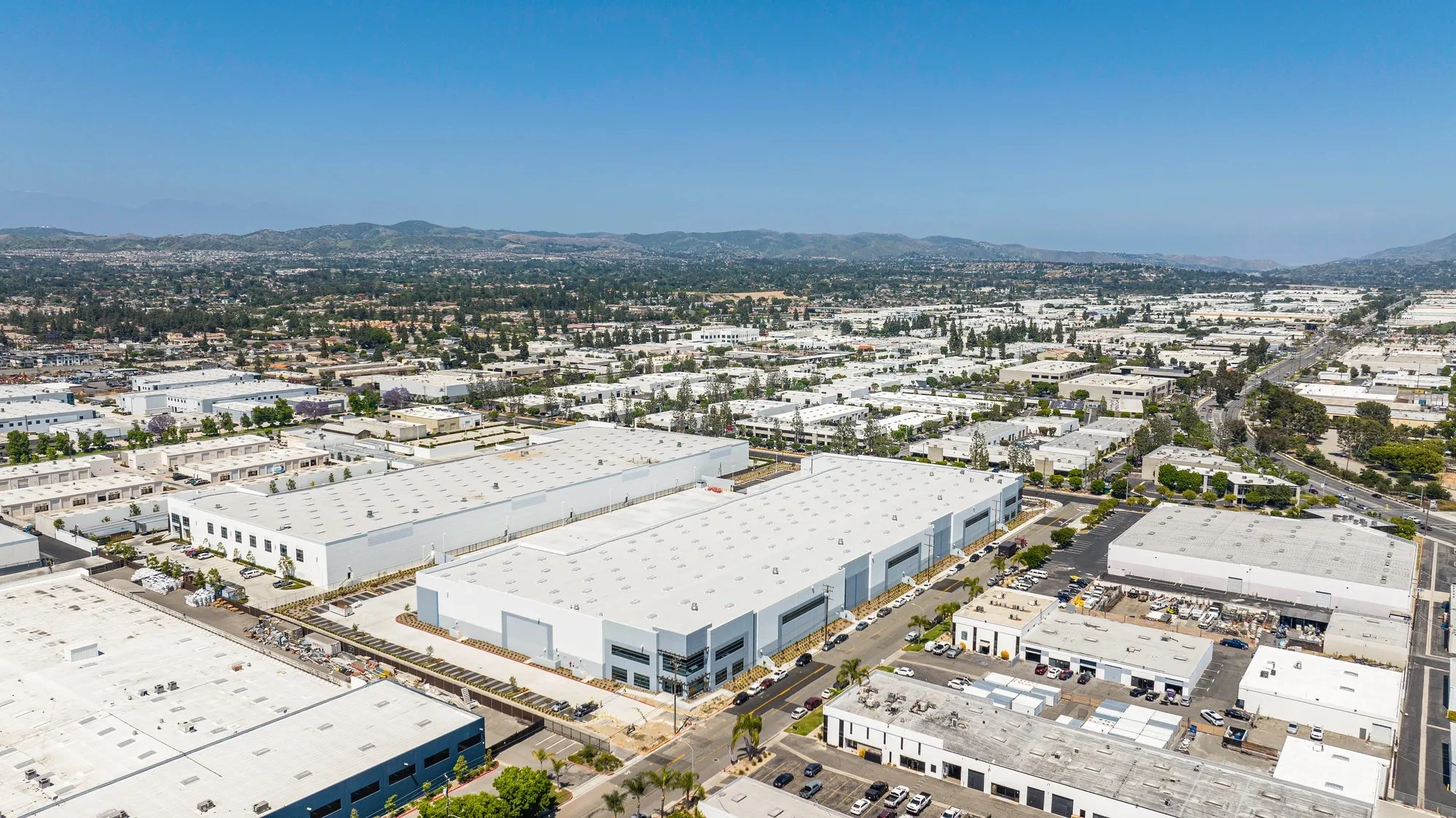
Roofing for Logistics & 3PL Operators in Ontario, CA
Roofing built for 3PL and logistics operators in Ontario, CA: leak response over racked product, maintenance budgets per square foot, and lease-smart scopes.
Roof Vendor Support for Property Management Firms in Ontario, CA
Roofing vendor for property managers overseeing multi-building portfolios in Ontario, CA: consolidated pricing, emergency response, and owner reporting.
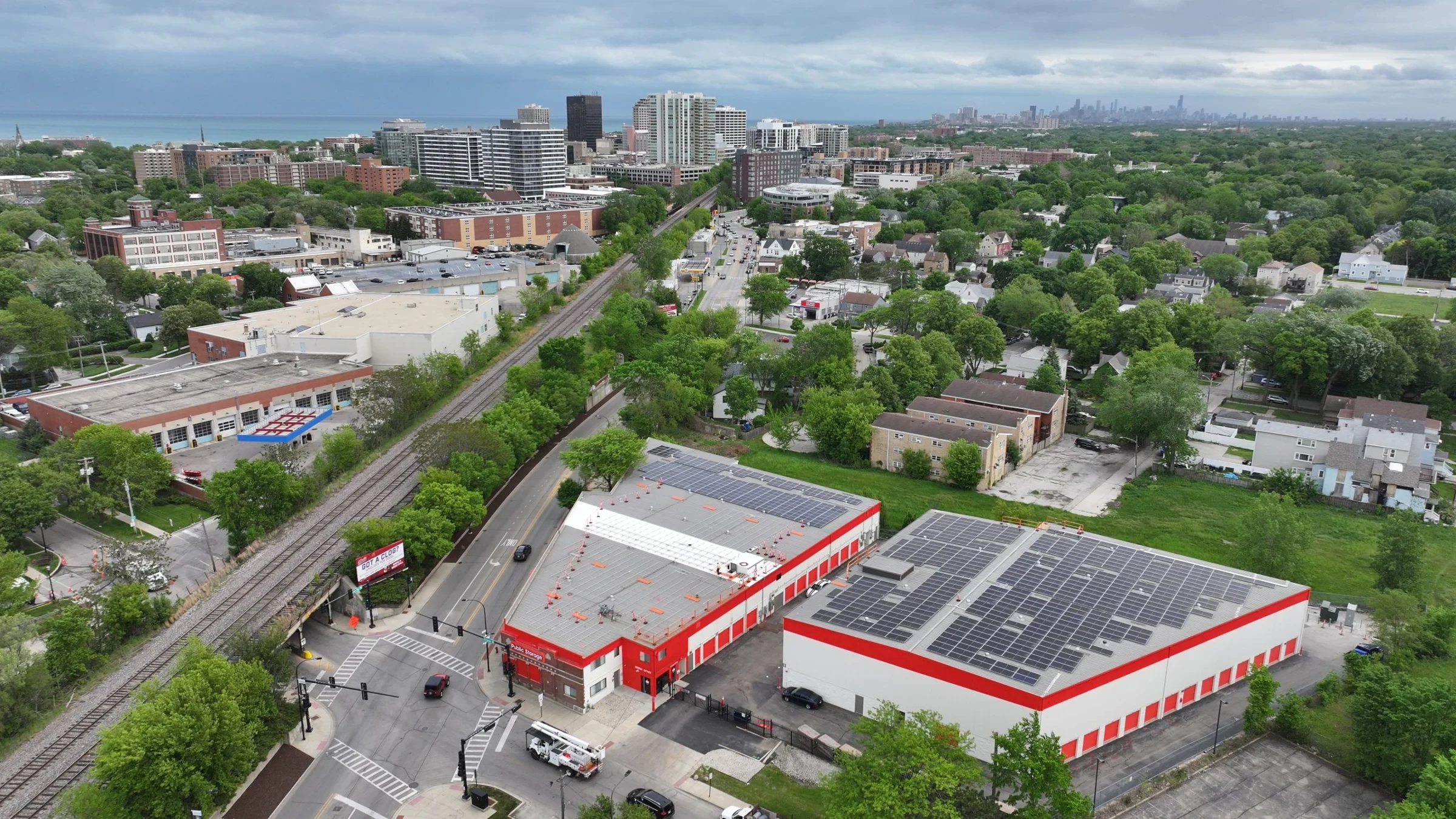
Roofing for CRE Owners & REITs in Ontario, CA
Portfolio roofing for REITs and CRE asset managers in Ontario, CA: condition surveys, capex forecasting, recover-vs-replace analysis, and warranty administration.
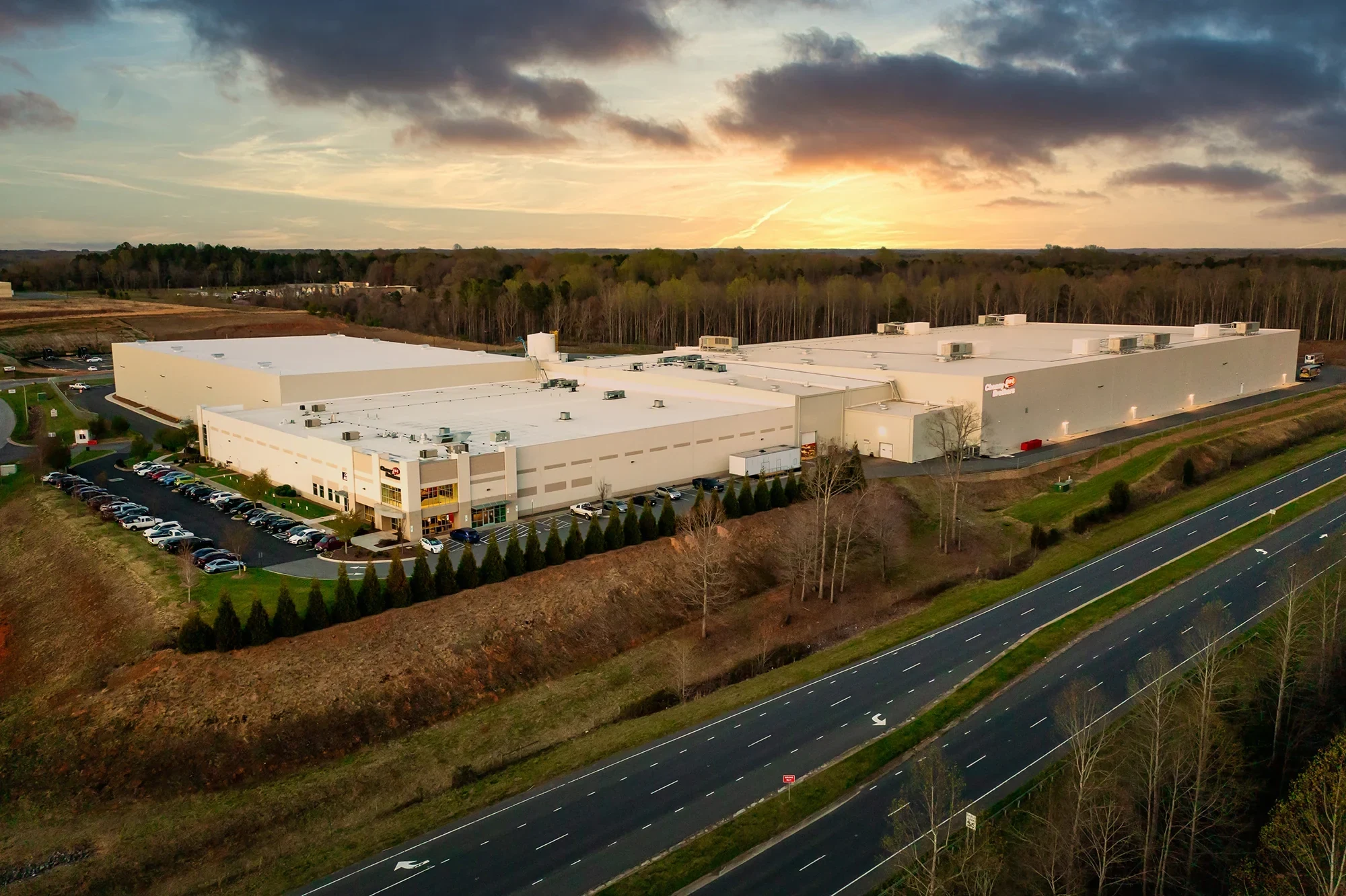
Roofing for Food Processing & Cold Storage Facilities in Ontario, CA
Roof work for food processing and cold storage operators in Ontario, CA: vapor retarder repair, refrigeration curb flashing, and moisture-tested budgets.

Roofing Subcontractor for General Contractors in Ontario, CA
Roofing subcontractor support for general contractors building in Ontario, CA: bid turnaround, schedule coordination, spec compliance, and TI tie-ins.

Roofing for Hotels & Hospitality Groups in Ontario, CA
Roof repair and replacement for hotels near Ontario Airport and the convention center: guest-disruption scheduling, mixed steep and low-slope budgets.
Storm Damage & Insurance Restoration Roofing in Ontario, CA
Insurance restoration roofing in Ontario, CA: wind and hail damage documentation, emergency tarp and dry-in, and adjuster-ready repair estimates.