
Multi-Tenant Retail Strip Roofing in Ontario, CA
A Strip Center Roof Carries More Penetrations Per Square Foot Than Anything Else We Bid
The dense retail plazas along Colima Road in Rowland Heights, the commercial strips through Hacienda Heights, and the Magnolia Avenue corridor near Home Gardens outside Corona all share a roofing problem specific to small multi-tenant retail: a roof of 15,000 to 40,000 square feet carrying six, eight, sometimes a dozen separate tenant spaces, each with its own HVAC unit, exhaust penetration, and often a restaurant tenant venting grease-laden air through the roof deck. No other building type in this market packs this many penetrations into this little roof area.
Restaurant Grease Exhaust Is the Single Biggest Cost Driver
Any food-service tenant in a strip center vents kitchen exhaust, and grease-laden air condensing on a roof deck degrades membrane and insulation faster than almost anything else we see in this market, faster even than the chemical exposure at a manufacturing plant, because the exhaust runs continuously during business hours and the grease residue holds heat and traps moisture against the membrane surface. We specify a dedicated grease-resistant membrane treatment or a sacrificial walk pad and containment curb around every restaurant exhaust penetration, and we inspect these zones twice a year minimum, since a strip center with two or three food tenants can have three separate roof sections aging at completely different rates.
NNN Lease Allocation Turns Into a Real Negotiation
Roof responsibility in a multi-tenant retail strip almost always splits by NNN lease language, with capital roof replacement typically a landlord expense recovered through common area maintenance charges prorated by tenant square footage, while HVAC curb and unit-specific flashing sometimes falls to the individual tenant depending on the specific lease. We document exactly which penetration belongs to which tenant space during the walk, since a strip center owner needs that breakdown to bill CAM charges correctly and to know which tenant's insurance is implicated if a specific unit's flashing fails.
What a Strip Center Roof Costs
Budget figures for planning purposes: a mechanically attached 60-mil TPO recover on a typical 25,000 square foot strip center runs $6.50 to $9.50 per square foot, similar to warehouse pricing on the base membrane, but the labor hours run considerably higher per square foot because of penetration density. Full tear-off and replacement runs $10.50 to $15.00 per square foot. A grease-exposed section serving a restaurant tenant should be budgeted separately with a $1.00 to $2.00 per square foot premium for the enhanced membrane and containment detailing that zone needs.
Patchwork History Is the Norm, Not the Exception
Strip centers built out over 20 or 30 years with rotating tenants rarely have a clean single-system roof. New tenants cut new curbs, old restaurant spaces convert to retail and leave abandoned grease-contaminated sections behind, and each ownership change tends to bring a different contractor's patch style. We map every strip center roof section by section before quoting rather than assuming uniform condition, since a plaza that looks like one roof from the parking lot frequently turns out to be four or five different repair histories stitched together.
Coordination Items Specific to Multi-Tenant Retail
- Individual tenant business hours, since a coffee shop opening at 5 a.m. has a different noise-sensitive window than a nail salon opening at 10
- Active restaurant exhaust systems that cannot be shut down during business hours without a health code issue for the tenant
- Shared parking lot access that must stay clear for every tenant's customers throughout the project
- Existing rooftop unit condition and age per tenant space, since replacing a unit mid-project can change the curb detail
- CAM billing documentation the owner needs for cost allocation across tenants after the project completes
Recover Versus Replace on an Older Strip Center
Plazas built in the 1980s and 1990s along corridors like Mission Boulevard near Glen Avon or Valley Boulevard through La Puente often carry an original built-up roof with decades of tenant-driven patch work layered on top. Where a moisture scan shows the field membrane and deck are sound outside the grease-exposed zones, a targeted recover with full replacement only at the restaurant sections is usually the most economical path. Where moisture has spread broadly from years of unaddressed penetration leaks, a full tear-off is the more honest recommendation, even though it costs more up front, because a recover over a compromised roof this patched-together tends to fail again within a few years.
Strip Center Roofing Questions From Owners and CAM Managers
Who pays for a roof leak caused by one tenant's HVAC unit?
That depends on the specific lease, but we document the physical cause clearly, whether it's a failed curb flashing, an abandoned penetration, or field membrane failure, so ownership and the tenant can resolve financial responsibility based on facts rather than assumption.
Can you re-roof over an active restaurant without shutting down the kitchen?
In most cases yes. We work around active exhaust systems, avoid disturbing grease containment during business hours, and schedule any required system shutdown for the tenant's own closed hours whenever possible.
Why does the section over the restaurant fail faster than the rest of the roof?
Grease-laden exhaust condensing on the membrane surface degrades it faster than standard UV and thermal aging, which is why that section needs its own inspection schedule and often its own earlier replacement timeline separate from the rest of the roof.
How do you handle a strip center with five different existing roof conditions?
We map the roof section by section during the walk, noting age, membrane type, and moisture scan results for each, and present a phased recommendation rather than forcing a single blended scope that ignores real condition differences.
What documentation do you provide for CAM cost allocation?
We provide a section-by-section breakdown of work performed, tied to specific tenant spaces where applicable, which ownership can use to support prorated common area maintenance billing to the individual tenants.
Related
Ready to review the roof scope?
Request a Roof Assessment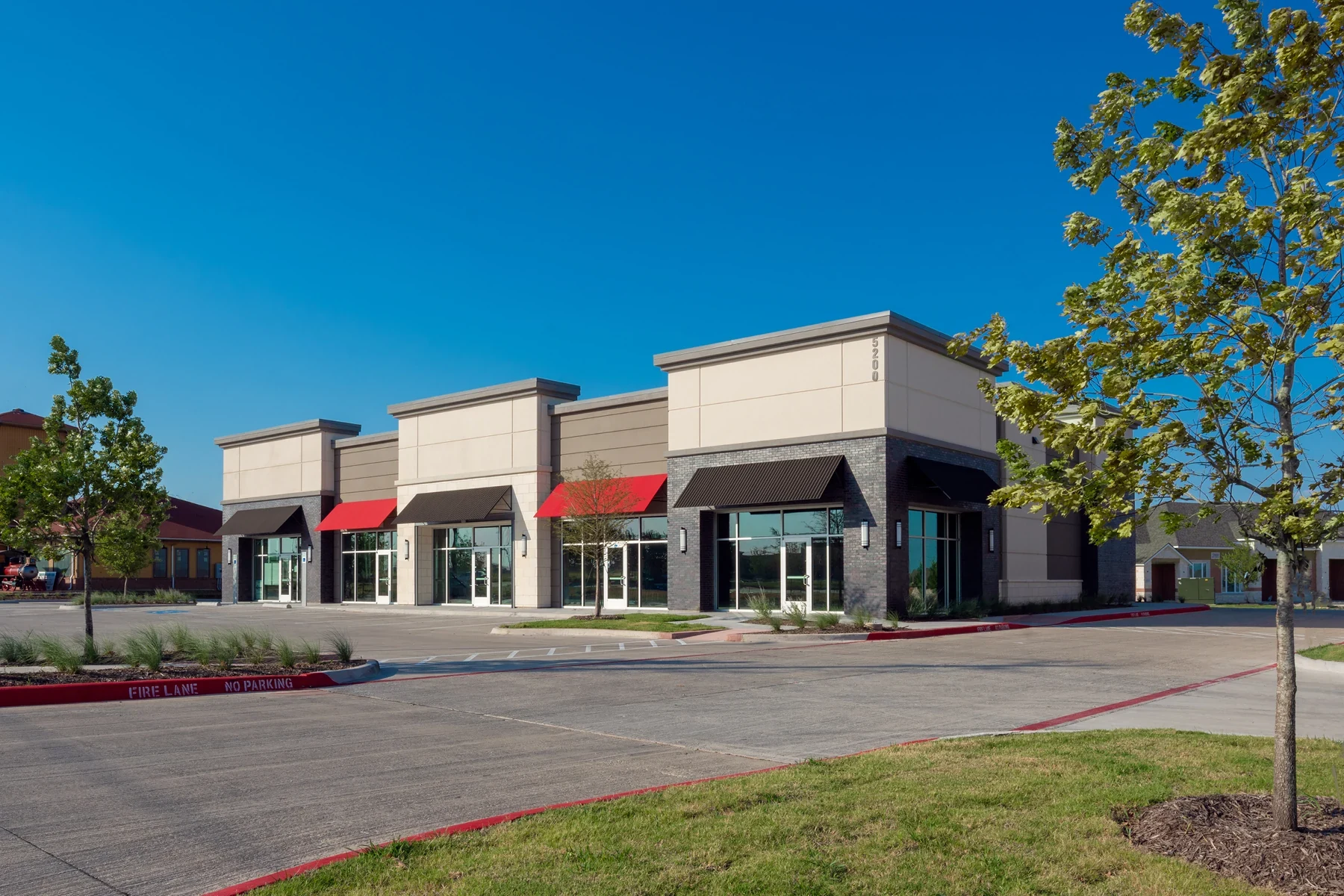
Project List
Warehouse Roofing in Ontario, CA
Warehouse roof replacement, recover, and maintenance pricing for Ontario, CA. Budget numbers for TPO, coatings, and tear-off on Inland Empire big-box roofs.
Distribution Center Roofing in Ontario, CA
Roofing for distribution and fulfillment centers around Ontario International Airport. Phased re-roofs, leak response, and per-square-foot budgets for 24/7 hubs.
Manufacturing Plant Roofing in Ontario, CA
Manufacturing and industrial plant roof pricing for Ontario, CA. Spark-resistant membranes, rooftop equipment loads, and hot-work fire.
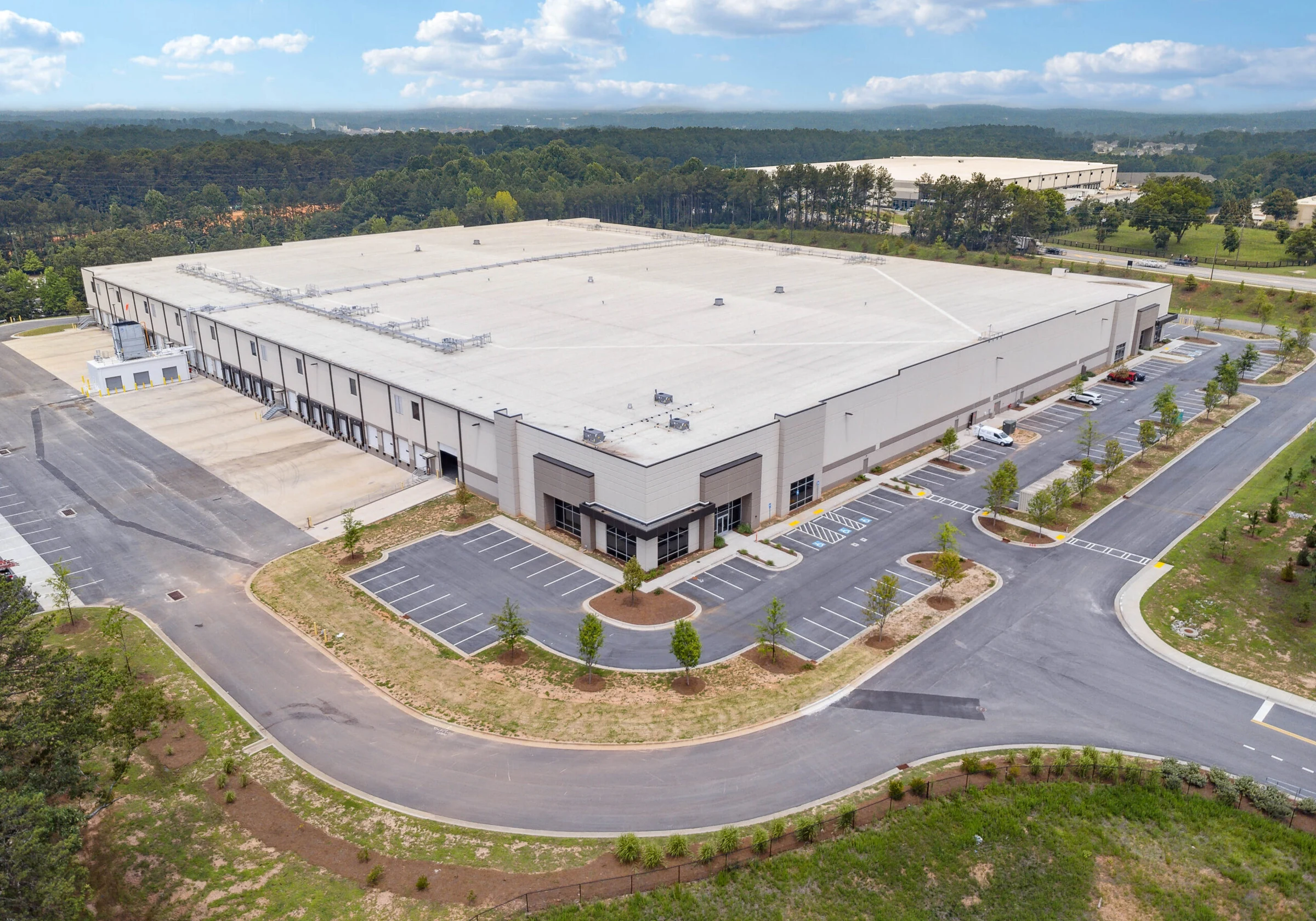
Cold Storage Roofing in Ontario, CA
Cold storage and freezer roof pricing for Ontario, CA. Vapor barrier design, R-value, and condensation control budgets for Inland Empire cold chain buildings.
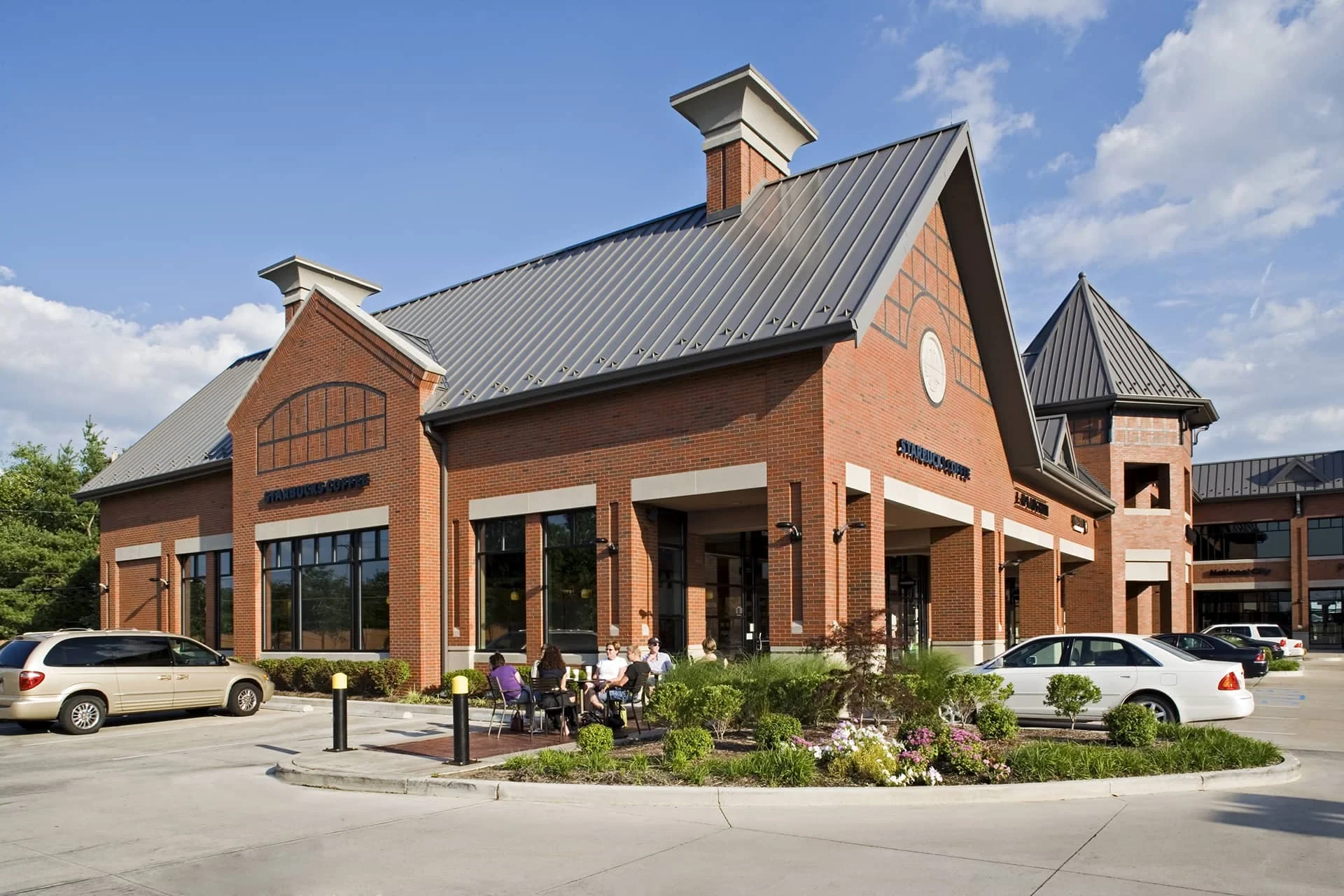
Big-Box Retail Roofing in Ontario, CA
Big-box retail roof budgets for Ontario Mills, Montclair Place, and Inland Empire anchor stores. Occupied-store phasing and recover pricing.
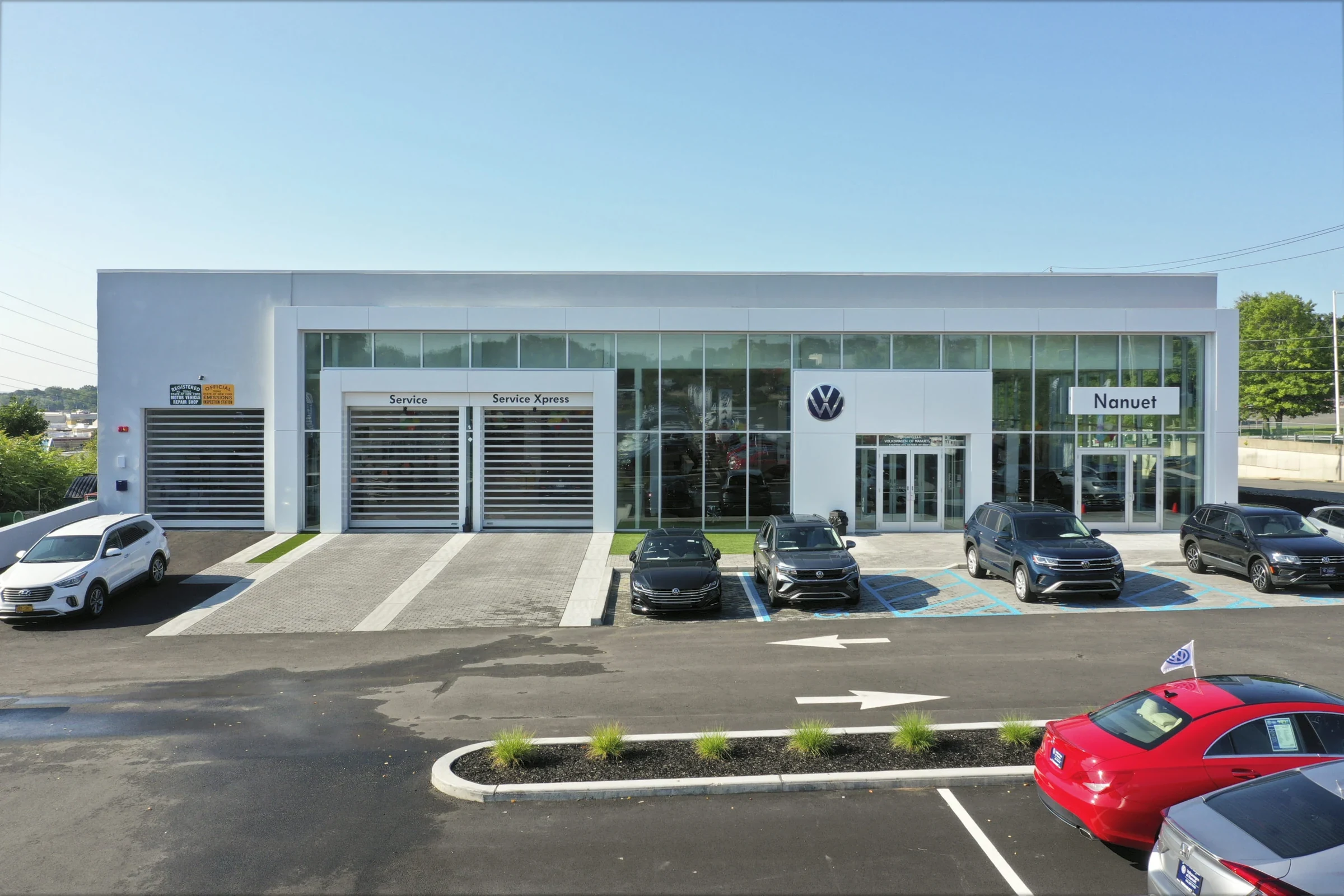
Auto Dealership Roofing in Ontario, CA
Dealership showroom and service-bay roof pricing for the Ontario Auto Center and Inland Empire dealer corridor. OEM image-program compliant budgets.
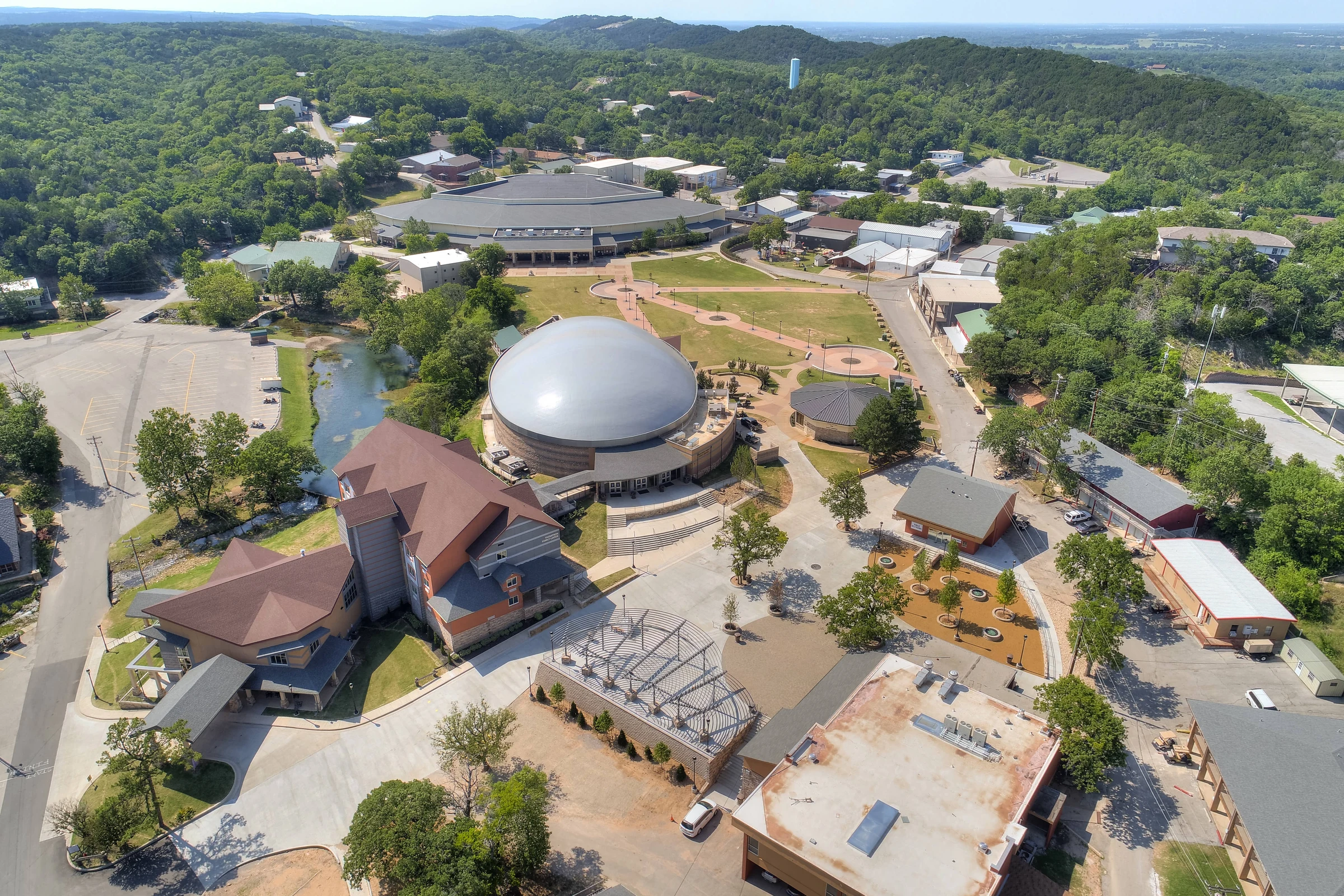
Event Venue Roofing in Ontario, CA
Arena, convention center, and large clear-span venue roof budgets for the Ontario and Fairplex Pomona corridor. Structural load and event-calendar scheduling pricing.
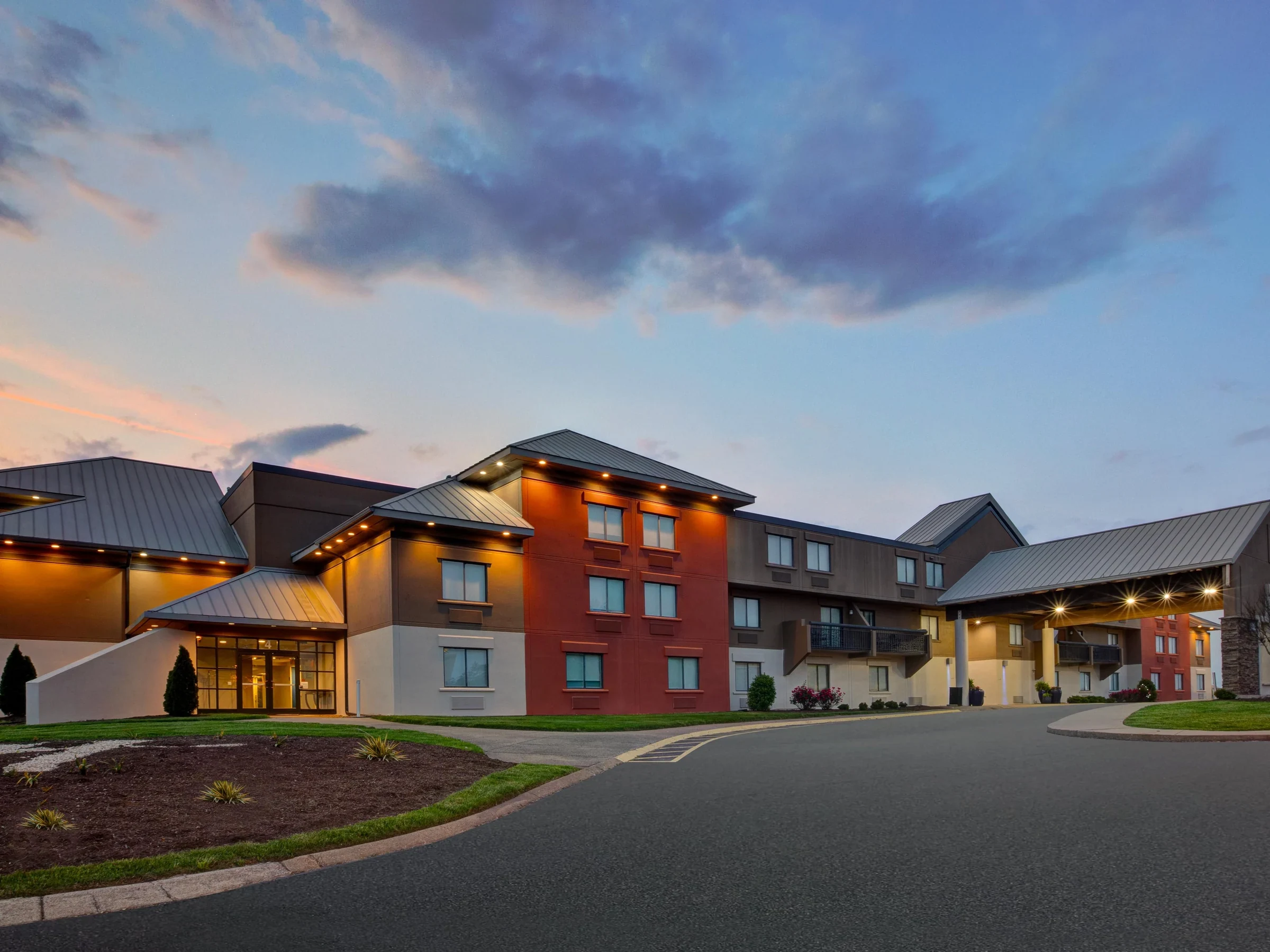
Hotel and Hospitality Roofing in Ontario, CA
Hotel roof replacement and repair pricing near Ontario Airport and the Toyota Arena convention corridor. Guest-occupied phasing budgets.