
Manufacturing Plant Roofing in Ontario, CA
Manufacturing Roofs Carry Loads a Warehouse Roof Never Sees
Corona's Highway 91 manufacturing corridor and the quarry-adjacent industrial parks in Azusa and Irwindale run plants that put real structural and chemical stress on a roof that a distribution warehouse never sees. Exhaust stacks, dust collection systems, process piping, and heavier rooftop equipment change the specification, and pricing a manufacturing plant like a standard warehouse leaves out the line items that actually fail first.
Exhaust and Process Emissions Attack the Membrane From Above
Plants running paint booths, solvent-based processes, or combustion exhaust put acidic or oily residue directly onto the roof surface downwind of every stack. Standard TPO and EPDM membranes can degrade faster under sustained chemical exposure than the manufacturer's stated warranty assumes, particularly at seams where the membrane is thinnest. We spec PVC membrane on plants with heavy solvent or oil exposure specifically because PVC's chemistry resists plasticizer migration and chemical attack better than TPO in these conditions, even though PVC typically costs $0.50 to $1.00 more per square foot installed.
On plants we have not serviced before, we ask for a list of every process that vents to the roof and walk the exhaust points before quoting, because a membrane recommendation made without that information is a guess.
Structural Loads From Process Equipment Change the Insulation Spec
Manufacturing plants frequently carry rooftop-mounted dust collectors, makeup air units, and process exhaust fans that weigh multiples of a standard HVAC package unit. Each of these needs a structurally engineered curb, not a standard prefabricated one, and the insulation around the curb has to be compressed or notched to match. We coordinate with the plant's structural engineer or a roofing-specific structural consultant before finalizing curb details on any unit over roughly 2,000 pounds, since an improperly detailed heavy curb is one of the most common leak sources we find on manufacturing re-roofs.
Hot Work and Fire Watch Protocols Add Real Cost
Torch-applied modified bitumen and any hot-air or open-flame work near a plant that stores flammable materials, runs solvent processes, or handles combustible dust requires a documented hot work permit and a dedicated fire watch, sometimes for a full hour after work stops in that area. On plants with heightened fire risk we default to cold-applied or mechanically attached systems specifically to avoid the hot work permitting burden, and where torch work is unavoidable we price a fire watch labor line separately rather than folding it into the crew rate, typically $45 to $75 per hour per watch person.
Dust Load Changes Drainage and Maintenance Frequency
Plants near the aggregate and quarry operations in Irwindale and Azusa, and any plant running its own dust-generating process, accumulate fine particulate on the roof surface and in the drains far faster than a clean logistics warehouse. That dust cakes drain strainers, holds moisture against the membrane longer than a clean roof would, and can accelerate membrane aging where it settles thickly. We recommend quarterly, not semiannual, drain and gutter clearing on any plant roof within a mile of active quarry or aggregate operations, and we price that into the maintenance agreement rather than treating it as an emergency call when a drain backs up during a storm.
Line Items That Separate Manufacturing Bids From Warehouse Bids
When comparing quotes for a plant roof against a generic warehouse number, check for these specifically:
- Chemical-resistant membrane upgrade pricing where process exhaust vents onto the roof
- Structural curb engineering for dust collectors, scrubbers, or heavy exhaust fans
- Fire watch labor for any hot-work application near flammable storage or process areas
- Increased drain and gutter maintenance frequency for dust-heavy environments
- Walkway pad protection along maintenance access routes to rooftop process equipment
- Fall protection anchor points sized for maintenance staff servicing heavier rooftop units
Skipping any of these on a plant bid usually shows up within the first two years as a warranty claim or an emergency repair call.
Recover Versus Replace on an Aging Plant Roof
Older plants along the Corona 91 corridor and the legacy industrial buildings in Pomona often carry built-up asphalt roofs from a prior generation of construction, sometimes with rooftop equipment added and re-flashed multiple times over decades. On these buildings we run a moisture scan focused specifically around every rooftop penetration, since that is where plant roofs fail first, not in the open field. If the field membrane is dry and the deck is sound, a recover with new, correctly engineered curb flashing at every unit is usually the more economical path. If moisture has migrated broadly from years of undersized or poorly flashed equipment penetrations, tear-off is the only way to actually fix it.
Manufacturing Roof Questions We Field on Plant Walks
Does a plant roof need a different fire rating than a warehouse roof?
The membrane fire rating requirement comes from code and insurance underwriting tied to occupancy and process risk, so the answer varies by building, so we confirm the specific Class A or equivalent rating your insurer requires before finalizing a system, since some plant occupancies carry stricter underwriting requirements than a standard warehouse.
Can you re-roof over an operating production line without shutting it down?
In most cases yes, with careful sequencing around process exhaust points and coordination on any hot work restrictions tied to nearby operations. We meet with plant safety staff before mobilizing to align on lockout points and no-work zones.
How often should drains be cleared on a dust-heavy plant roof?
Quarterly at minimum for plants near aggregate, quarry, or heavy dust-generating processes, versus semiannual for a typical clean logistics building, since caked dust in a drain strainer during a winter storm is a common cause of ponding and eventual membrane failure.
What membrane holds up best against solvent and oil exposure?
PVC generally outperforms standard TPO under sustained chemical exposure because of its different plasticizer chemistry, though the right answer depends on the specific chemicals venting onto the roof, which is why we always ask for a process list before recommending a system.
Do heavier rooftop units require a full structural review before installation?
Any unit adding meaningful concentrated load, generally above roughly 2,000 pounds, should get a structural engineer's review of the deck and framing below before a curb is cut, since undersized structural support under a heavy unit is a life-safety issue that goes well beyond a roofing detail.
Related
Ready to review the roof scope?
Request a Roof AssessmentProject List
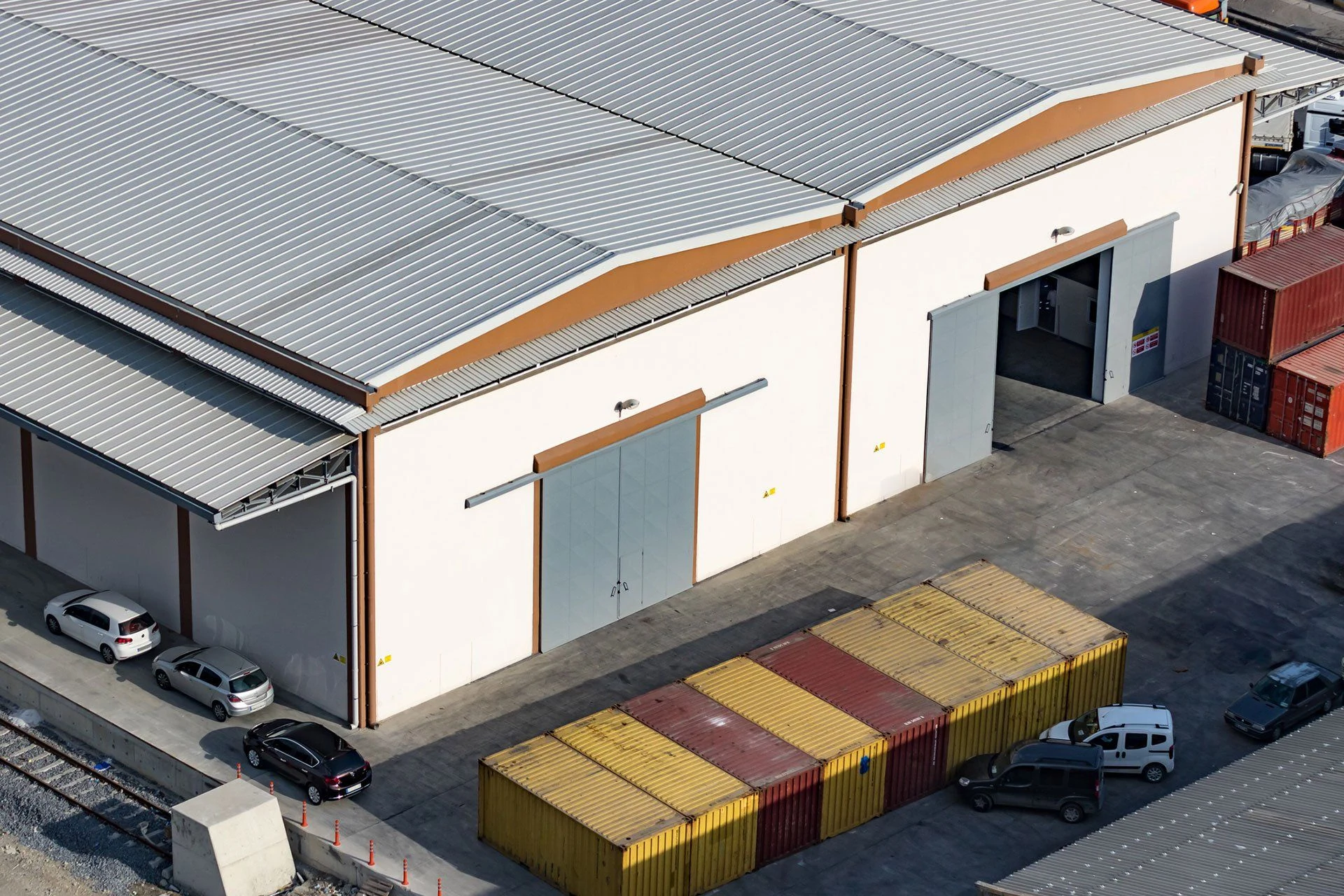
Warehouse Roofing in Ontario, CA
Warehouse roof replacement, recover, and maintenance pricing for Ontario, CA. Budget numbers for TPO, coatings, and tear-off on Inland Empire big-box roofs.
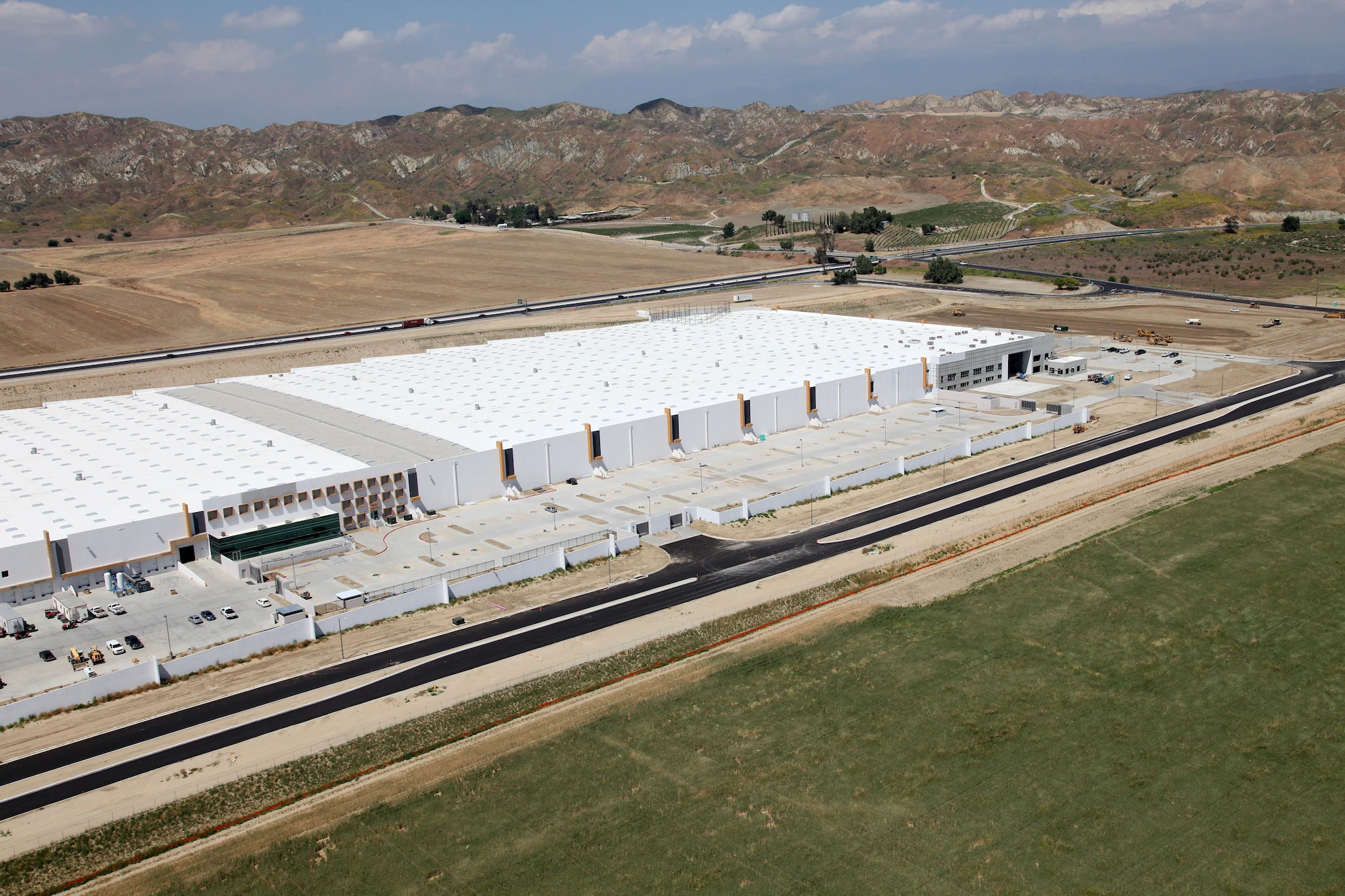
Distribution Center Roofing in Ontario, CA
Roofing for distribution and fulfillment centers around Ontario International Airport. Phased re-roofs, leak response, and per-square-foot budgets for 24/7 hubs.
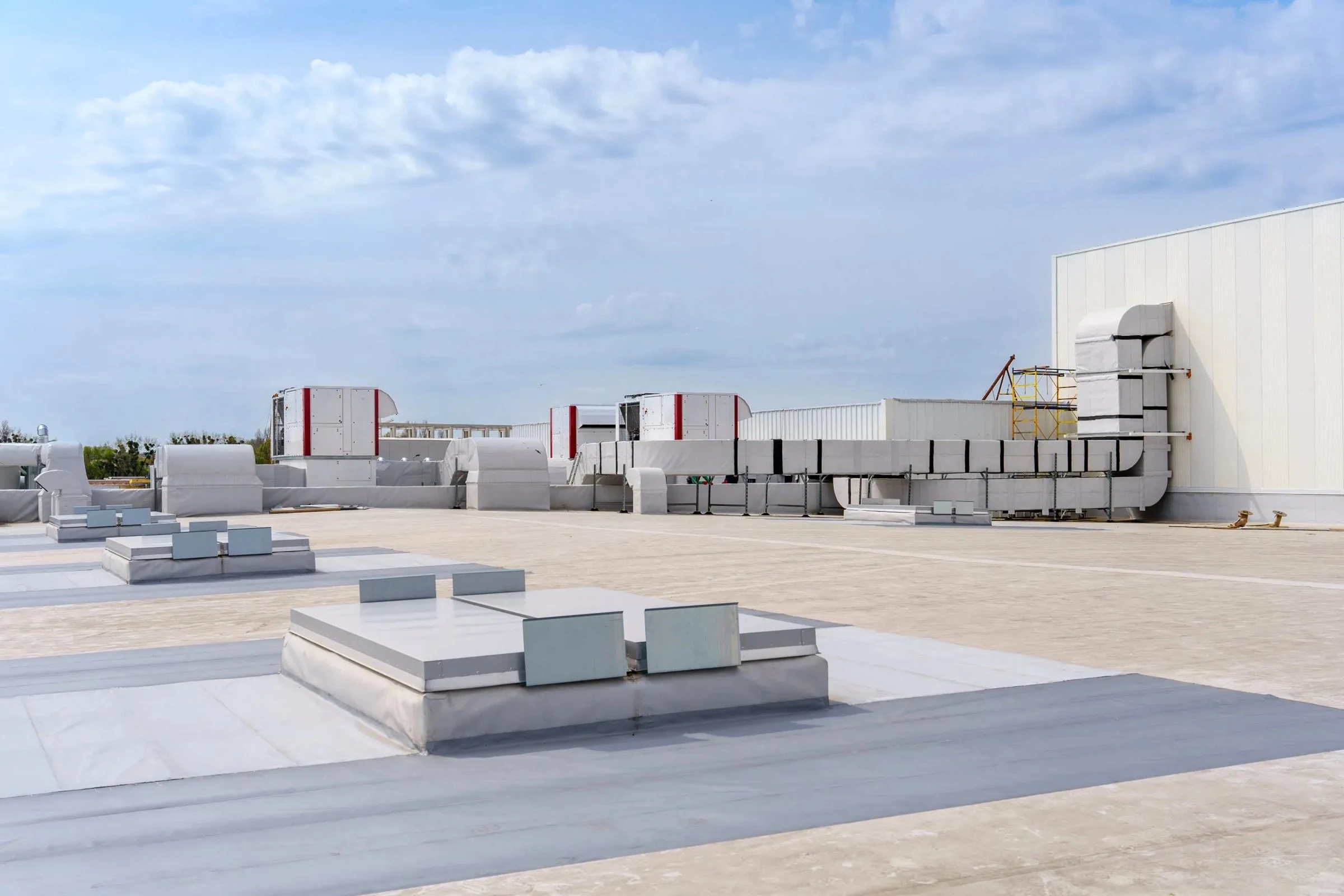
Manufacturing Plant Roofing in Ontario, CA
Manufacturing and industrial plant roof pricing for Ontario, CA. Spark-resistant membranes, rooftop equipment loads, and hot-work fire.
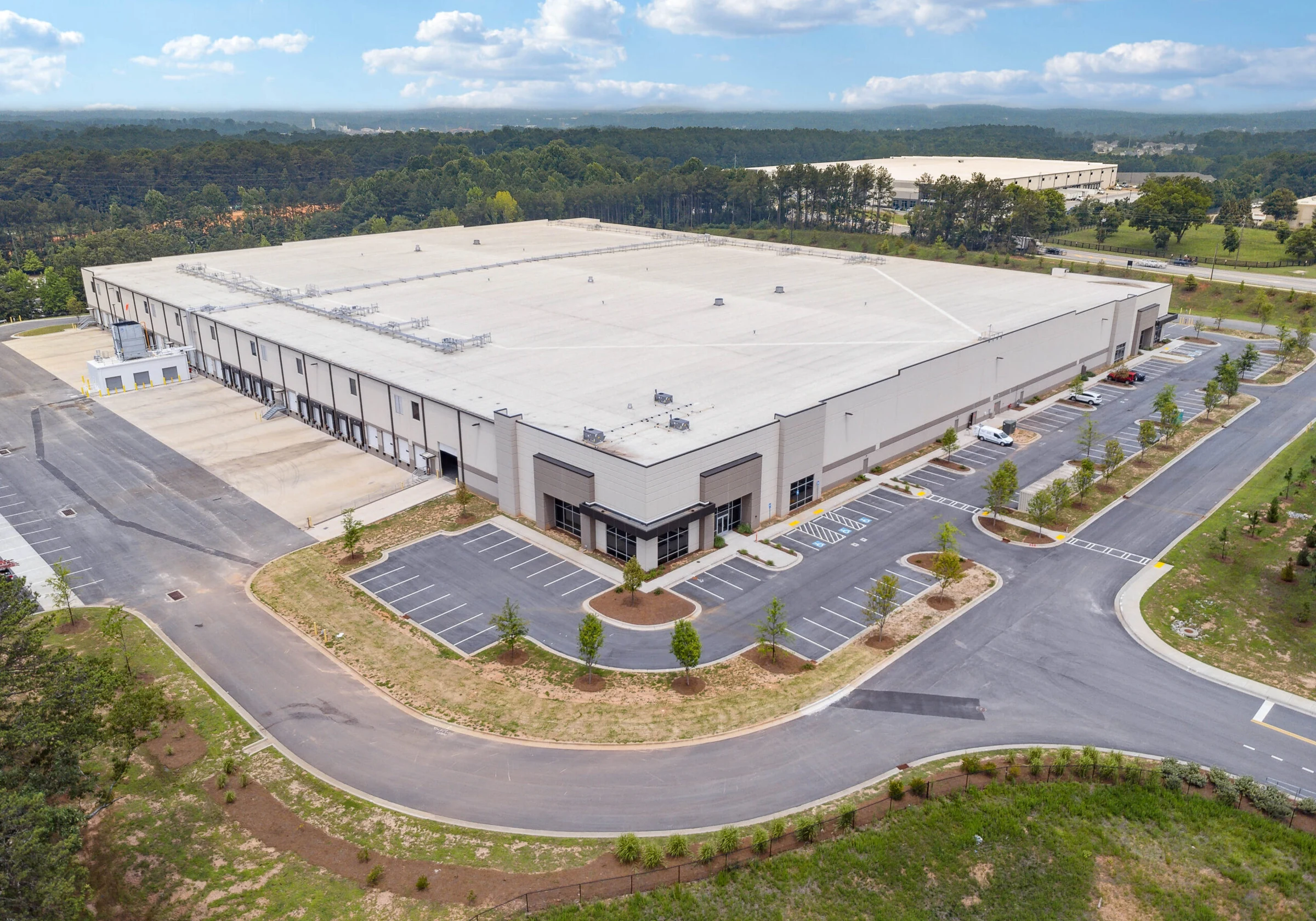
Cold Storage Roofing in Ontario, CA
Cold storage and freezer roof pricing for Ontario, CA. Vapor barrier design, R-value, and condensation control budgets for Inland Empire cold chain buildings.
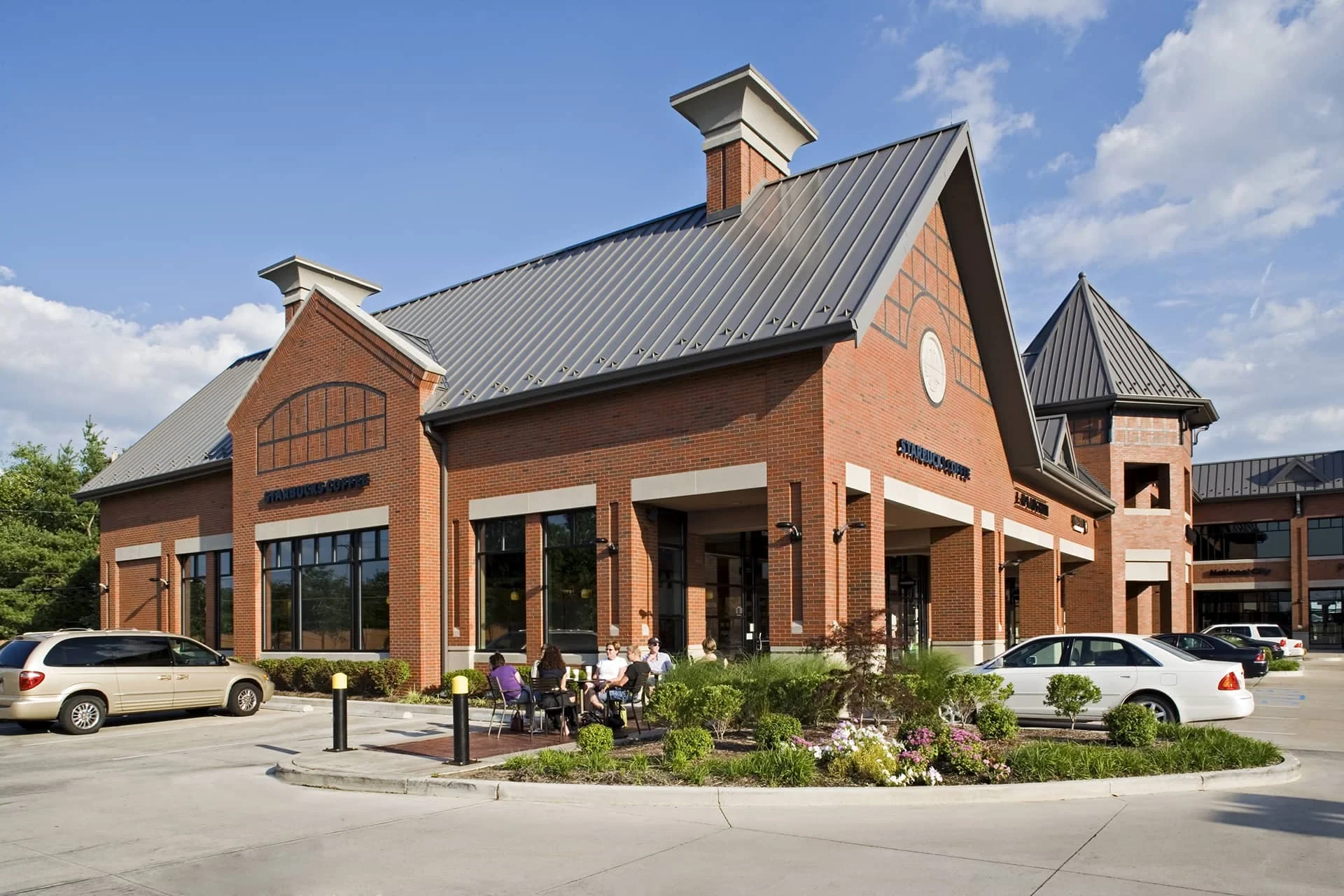
Big-Box Retail Roofing in Ontario, CA
Big-box retail roof budgets for Ontario Mills, Montclair Place, and Inland Empire anchor stores. Occupied-store phasing and recover pricing.
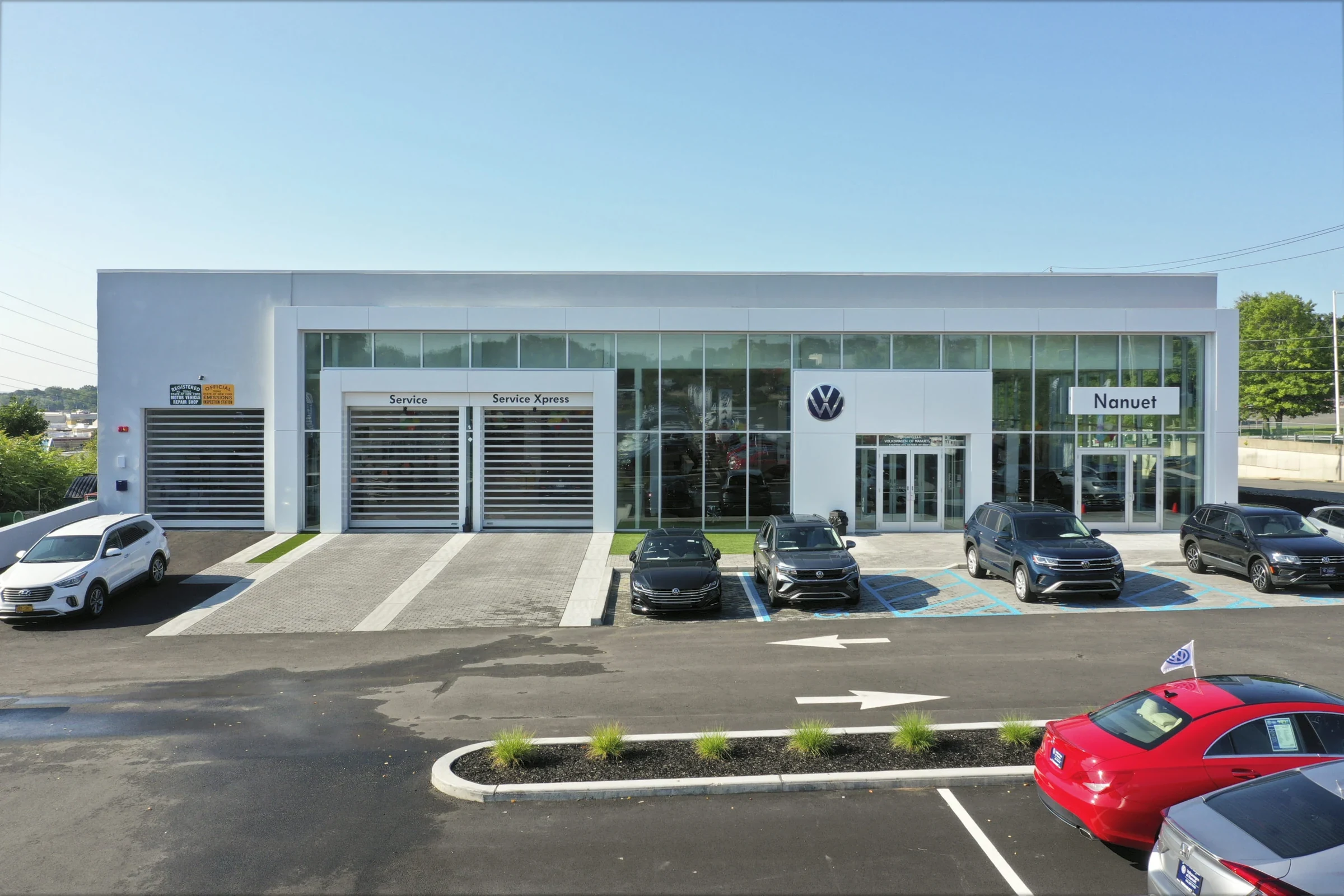
Auto Dealership Roofing in Ontario, CA
Dealership showroom and service-bay roof pricing for the Ontario Auto Center and Inland Empire dealer corridor. OEM image-program compliant budgets.
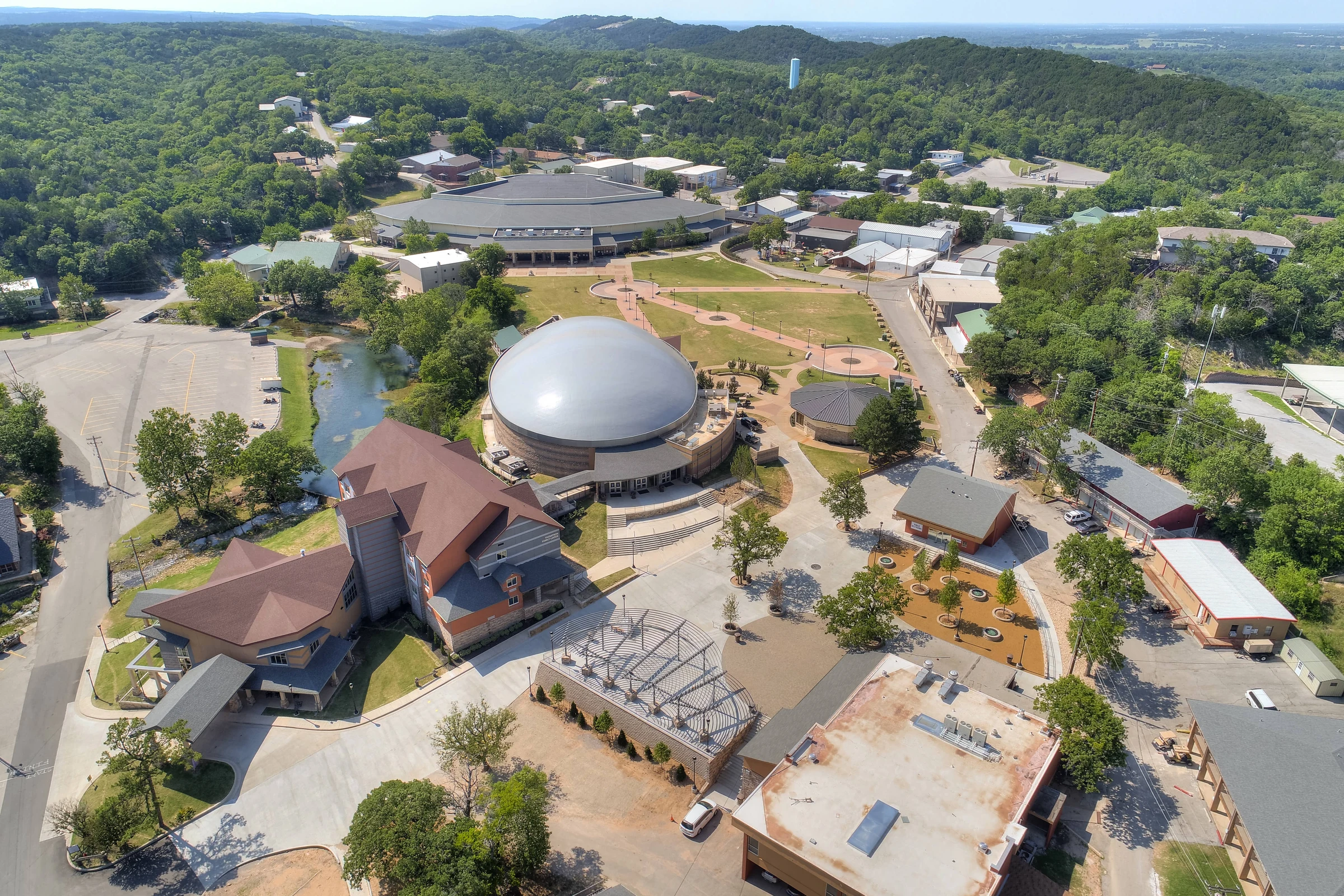
Event Venue Roofing in Ontario, CA
Arena, convention center, and large clear-span venue roof budgets for the Ontario and Fairplex Pomona corridor. Structural load and event-calendar scheduling pricing.
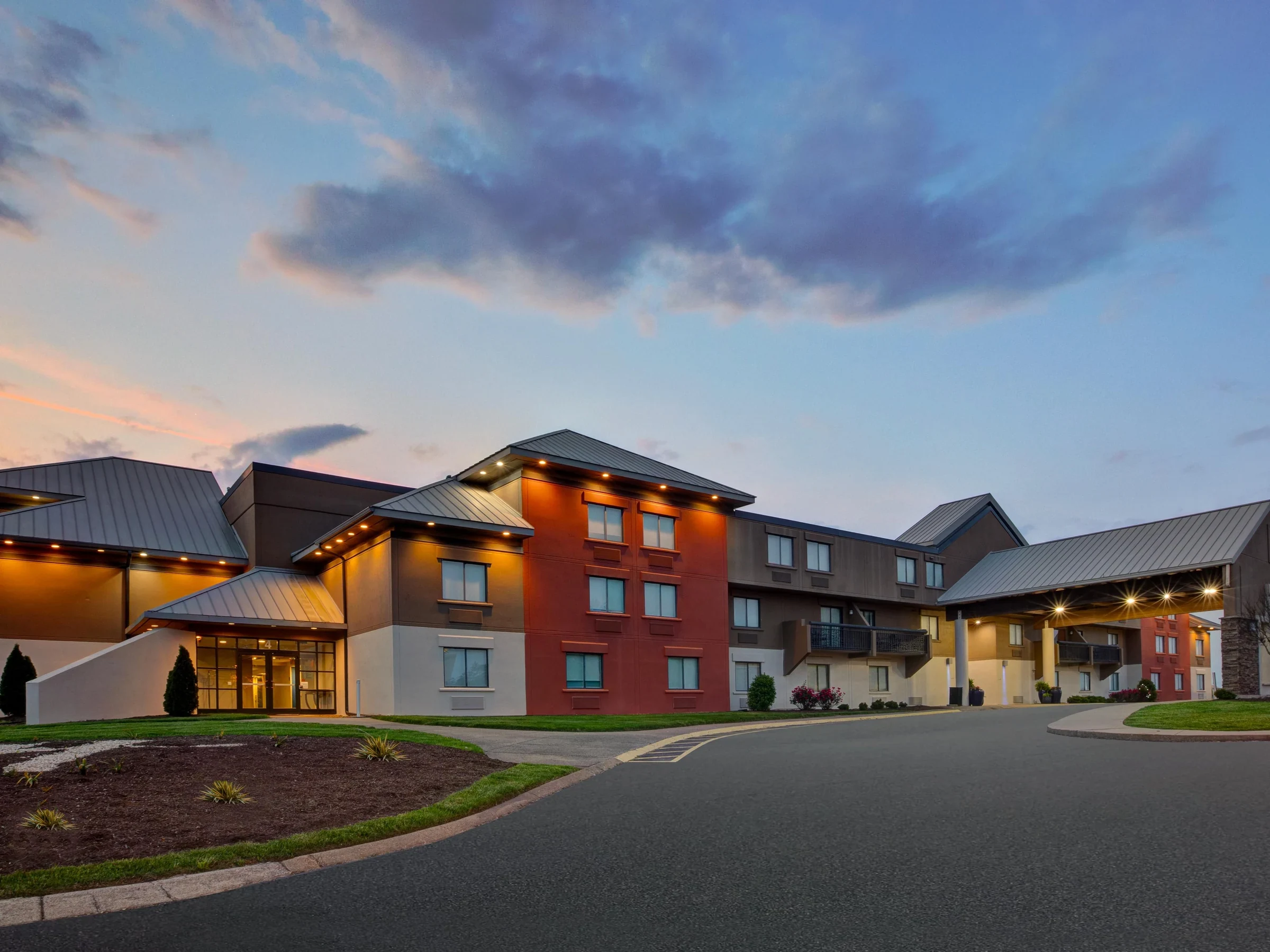
Hotel and Hospitality Roofing in Ontario, CA
Hotel roof replacement and repair pricing near Ontario Airport and the Toyota Arena convention corridor. Guest-occupied phasing budgets.