
Self-Storage Facility Roofing in Ontario, CA
Ten Buildings, One Storm, and a Liability Question on Every Unit
Self-storage facilities scattered through Chino, Jurupa Valley, and the smaller commercial pockets around Norco and Rubidoux typically run as a multi-building campus, sometimes six to fifteen separate single-story metal structures on one parcel, rather than a single large roof. That structure changes both how we bid the work and what actually goes wrong when a roof fails, since a leak here damages a customer's stored belongings directly, and the facility carries that liability exposure whether or not their lease waiver holds up.
Metal R-Panel Is the Default System, and Fastener Condition Decides Everything
Most self-storage buildings in this market use an exposed-fastener metal R-panel roof system rather than a membrane, since it is the most economical option for a simple gable or single-slope structure and it matches the metal building construction most facilities use for walls too. The entire performance of an exposed-fastener roof depends on the condition of the screw fasteners and their neoprene washers, which degrade under UV exposure and thermal cycling faster than the panel itself. A facility more than 12 to 15 years old is almost always due for a fastener replacement pass even if the panels themselves look sound, and that work runs $1.75 to $3.00 per square foot, considerably cheaper than a full panel replacement at $7.00 to $11.00 per square foot.
Standing Seam Conversion for Facilities Planning a Longer Hold
Owners planning to hold a facility for 20-plus years increasingly ask us about converting from exposed-fastener R-panel to a standing seam system with concealed clips, since standing seam eliminates the recurring fastener maintenance problem entirely. The conversion costs more up front, typically $9.00 to $14.00 per square foot installed, but it removes a maintenance line item that otherwise recurs every decade or so for the life of the building. We walk owners through the crossover math based on their expected hold period rather than defaulting to the cheaper option automatically.
Multi-Building Campus Pricing Works Differently Than One Large Roof
Quoting ten separate 3,000 to 8,000 square foot buildings on one campus is not the same math as quoting one 50,000 square foot warehouse, even though the total area might be similar. Mobilization, material staging, and crew setup happen effectively once per building rather than once for the whole project, and access between buildings on a storage campus is often tighter than a single large parcel allows. We price multi-building campuses with a per-building mobilization line item in addition to the per-square-foot roofing cost, since ignoring that reality is how a campus bid comes in low and then loses money building by building.
What Actually Fails First on a Storage Facility Roof
Before a full leak develops, these are the early warning signs we look for on a storage campus walk, roughly in order of how often we find them:
- Backed-out or stripped fasteners along the panel ridge and eave lines where thermal movement stresses them most
- Rust bleeding from fastener heads where the neoprene washer has cracked and let water reach bare steel
- Sealant failure at ridge caps and endwall transitions, the most common single leak point on an R-panel roof
- Panel oil-canning or waviness from thermal expansion where panels were fastened too rigidly during original installation
- Gutter and downspout separation from thermal cycling, which redirects water against the wall panel and foundation instead of away from the building
What a Self-Storage Roof Costs
Budget figures for planning: fastener replacement and re-sealing on a sound exposed-fastener R-panel roof runs $1.75 to $3.00 per square foot. Full panel replacement, matched to existing profile, runs $7.00 to $11.00 per square foot. Conversion to a standing seam concealed-fastener system runs $9.00 to $14.00 per square foot. Across a multi-building campus, add roughly $1,500 to $3,500 per building in mobilization and setup cost on top of the square-foot number, more on facilities with tight internal drive access between rows.
Liability and Documentation for a Storage Operator
Self-storage tenants typically sign a lease waiver limiting the facility's liability for stored property damage, but a documented pattern of deferred roof maintenance can undermine that protection in a dispute, and it is the kind of finding an insurer or attorney looks for after a claim. We provide a written condition report with photos for every building on a campus inspection specifically so ownership has documentation showing proactive maintenance instead of a verbal assurance that the roofs are fine.
Self-Storage Roofing Questions From Facility Owners
How do I know if my facility needs fastener replacement or a full panel replacement?
We check fastener backout, washer condition, and panel gauge during the walk. If the panels themselves are not rusted through or significantly oil-canned, fastener replacement alone usually restores watertightness at a fraction of full replacement cost.
Can roofing work happen without disturbing customer access to units?
Yes in almost every case. We work building by building, keep drive aisles clear except directly beneath active work, and coordinate with facility management on which units to notify if any temporary staging affects a specific row.
Is standing seam worth the extra cost over exposed-fastener panel?
It depends on your planned hold period. If you are holding the facility 15 years or more, eliminating the recurring fastener maintenance cycle usually pencils out favorably. For a shorter hold or a facility likely to sell, the lower upfront cost of exposed-fastener replacement is often the better call.
What causes most leaks on a metal storage building roof?
Sealant failure at ridge caps and endwall transitions accounts for more leaks than any other single cause we find, followed by backed-out fasteners along the ridge and eave lines where thermal cycling stresses the connection most.
Do you provide documentation I can use for insurance or liability purposes?
Yes, we document every building's condition with photos and a written report at each inspection, which gives ownership a paper trail showing proactive maintenance if a stored-property damage claim is ever disputed.
Related
Ready to review the roof scope?
Request a Roof Assessment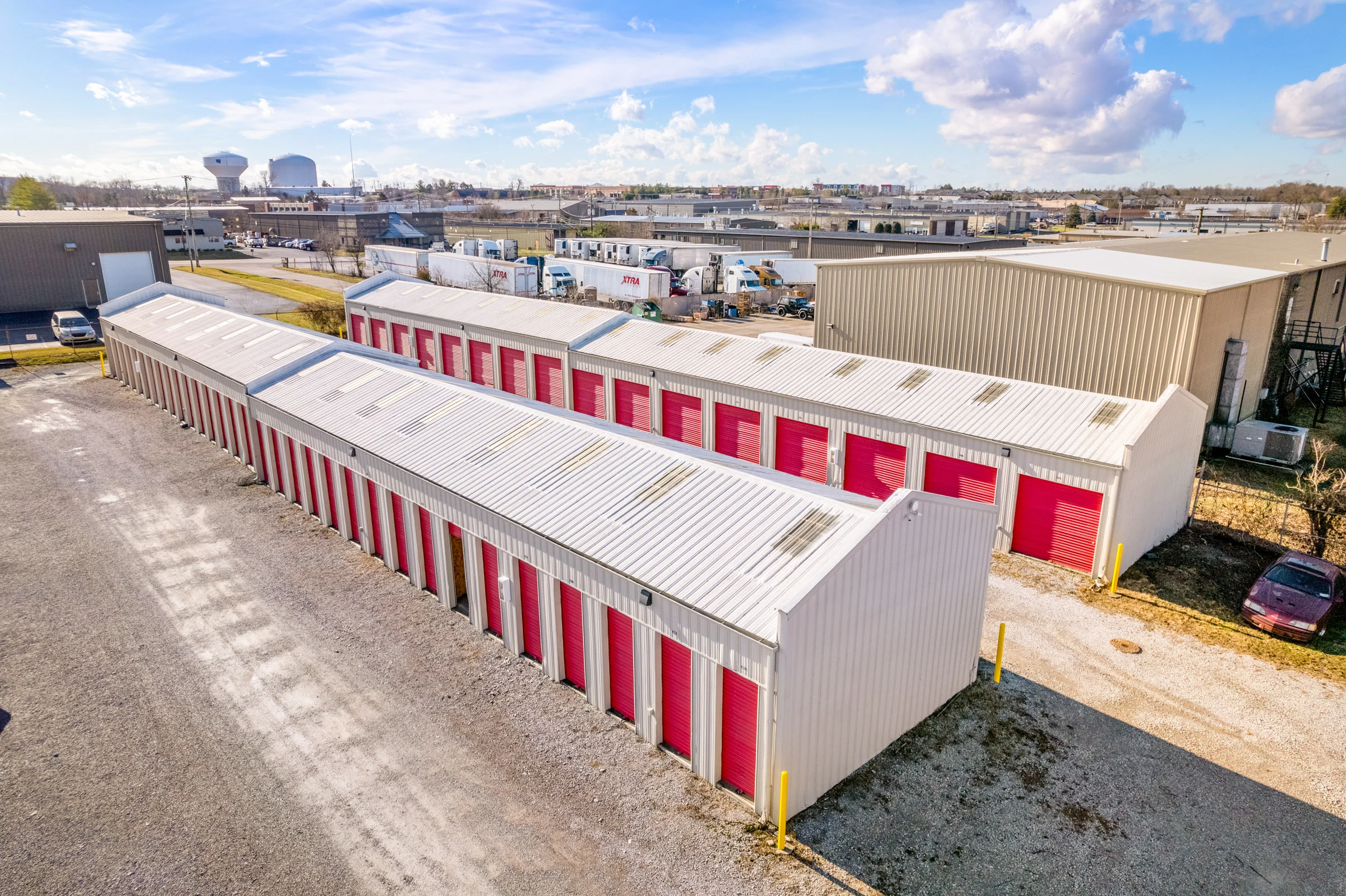
Project List
Warehouse Roofing in Ontario, CA
Warehouse roof replacement, recover, and maintenance pricing for Ontario, CA. Budget numbers for TPO, coatings, and tear-off on Inland Empire big-box roofs.
Distribution Center Roofing in Ontario, CA
Roofing for distribution and fulfillment centers around Ontario International Airport. Phased re-roofs, leak response, and per-square-foot budgets for 24/7 hubs.
Manufacturing Plant Roofing in Ontario, CA
Manufacturing and industrial plant roof pricing for Ontario, CA. Spark-resistant membranes, rooftop equipment loads, and hot-work fire.
Cold Storage Roofing in Ontario, CA
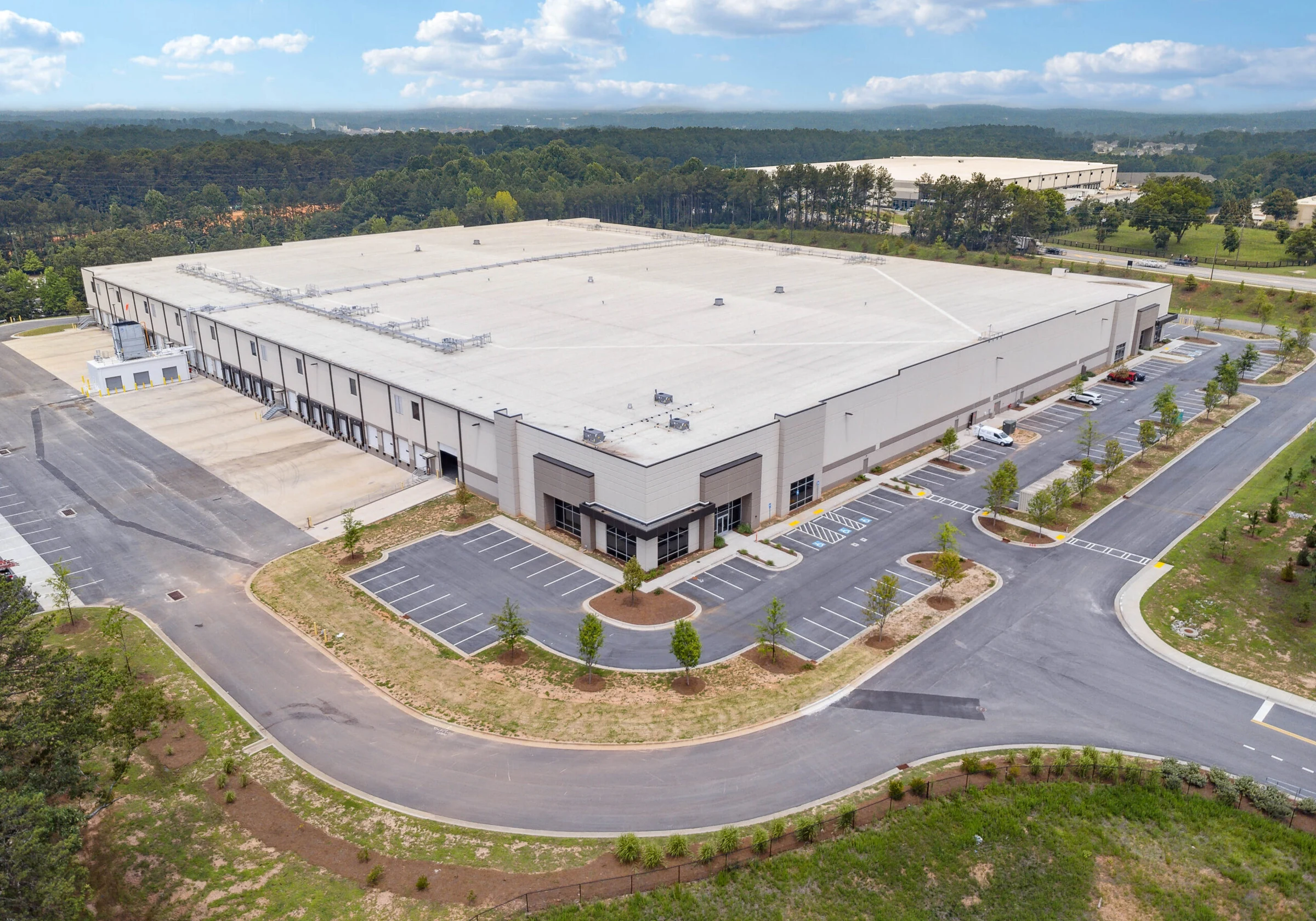
Cold storage and freezer roof pricing for Ontario, CA. Vapor barrier design, R-value, and condensation control budgets for Inland Empire cold chain buildings.
Big-Box Retail Roofing in Ontario, CA
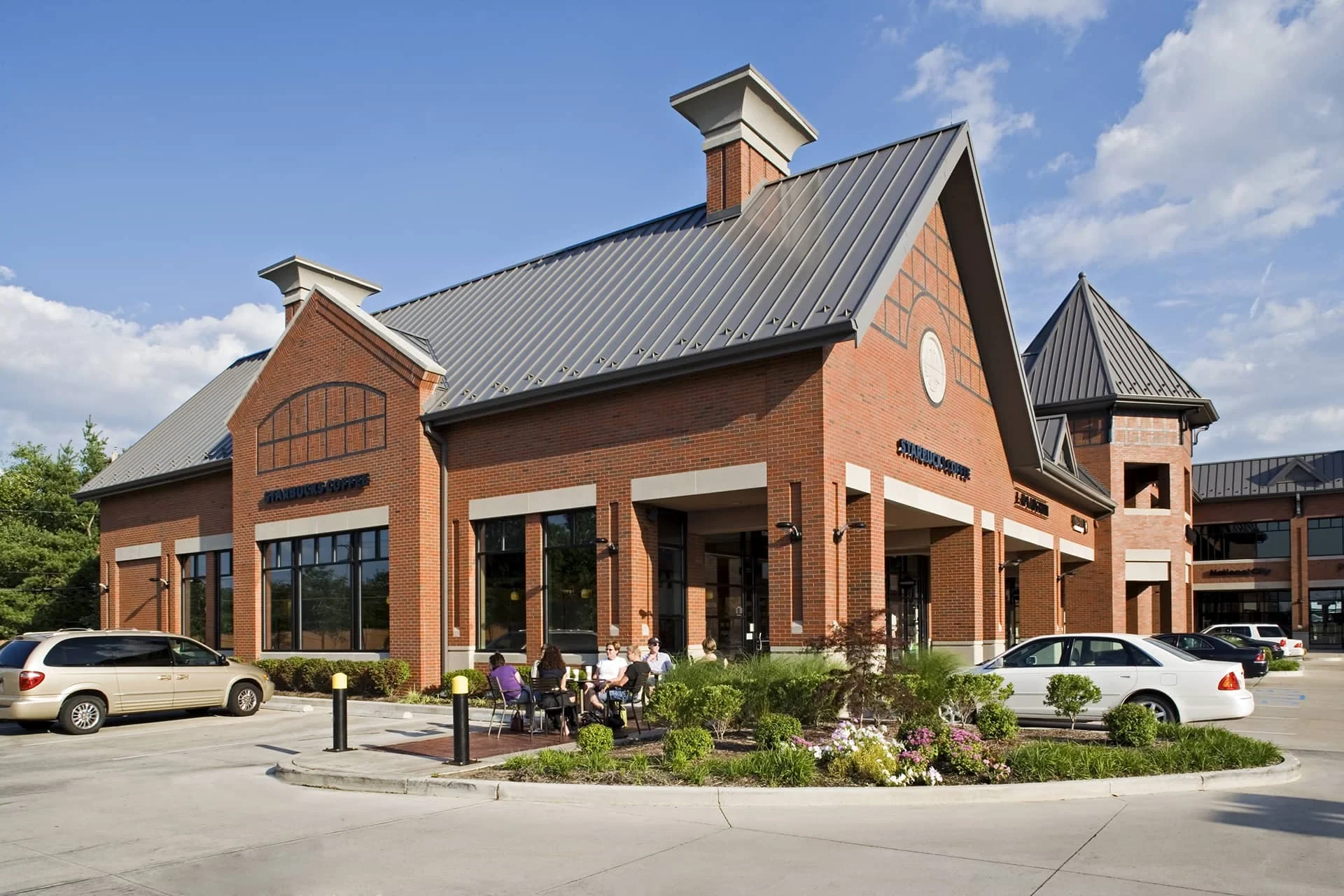
Big-box retail roof budgets for Ontario Mills, Montclair Place, and Inland Empire anchor stores. Occupied-store phasing and recover pricing.
Auto Dealership Roofing in Ontario, CA
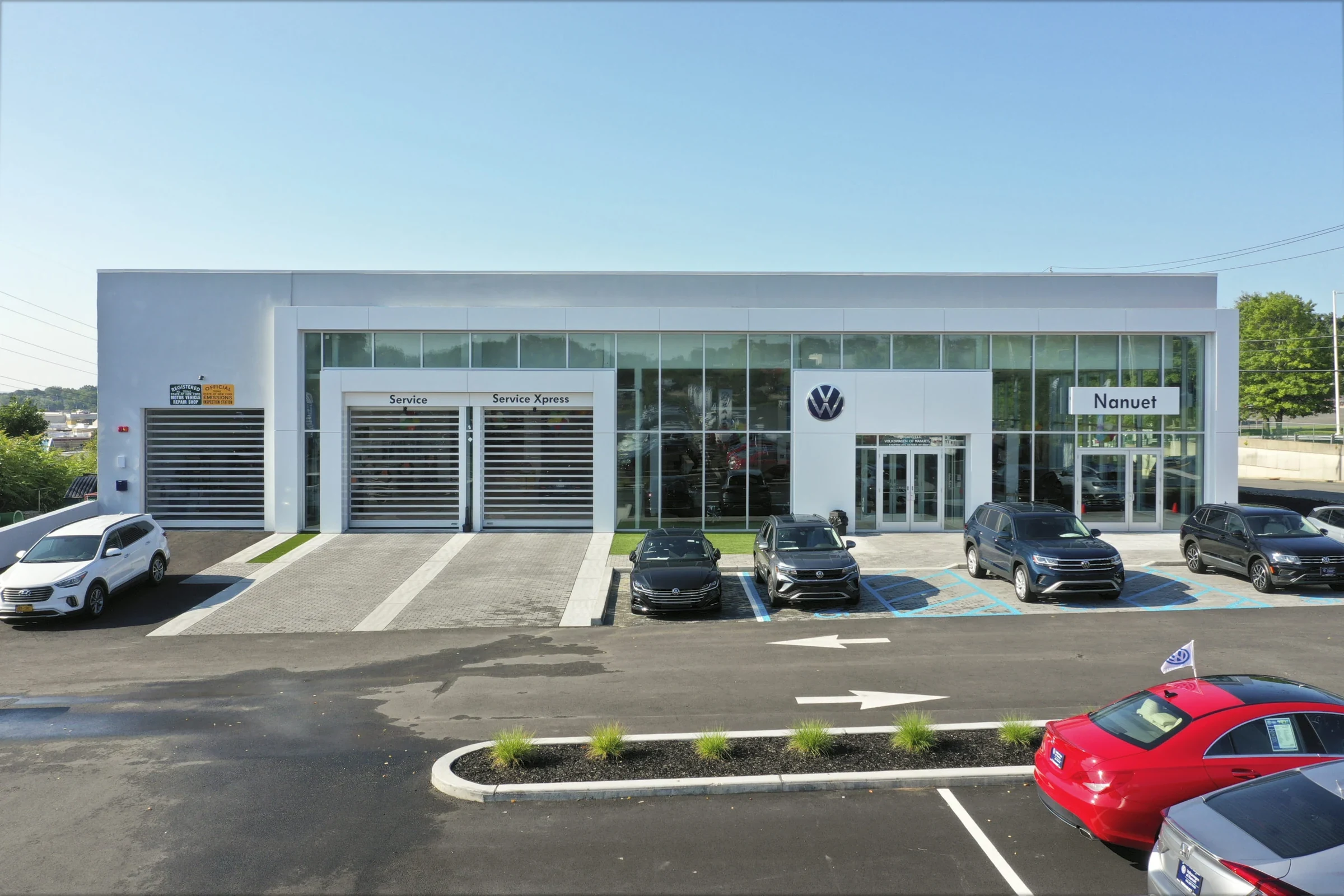
Dealership showroom and service-bay roof pricing for the Ontario Auto Center and Inland Empire dealer corridor. OEM image-program compliant budgets.
Event Venue Roofing in Ontario, CA
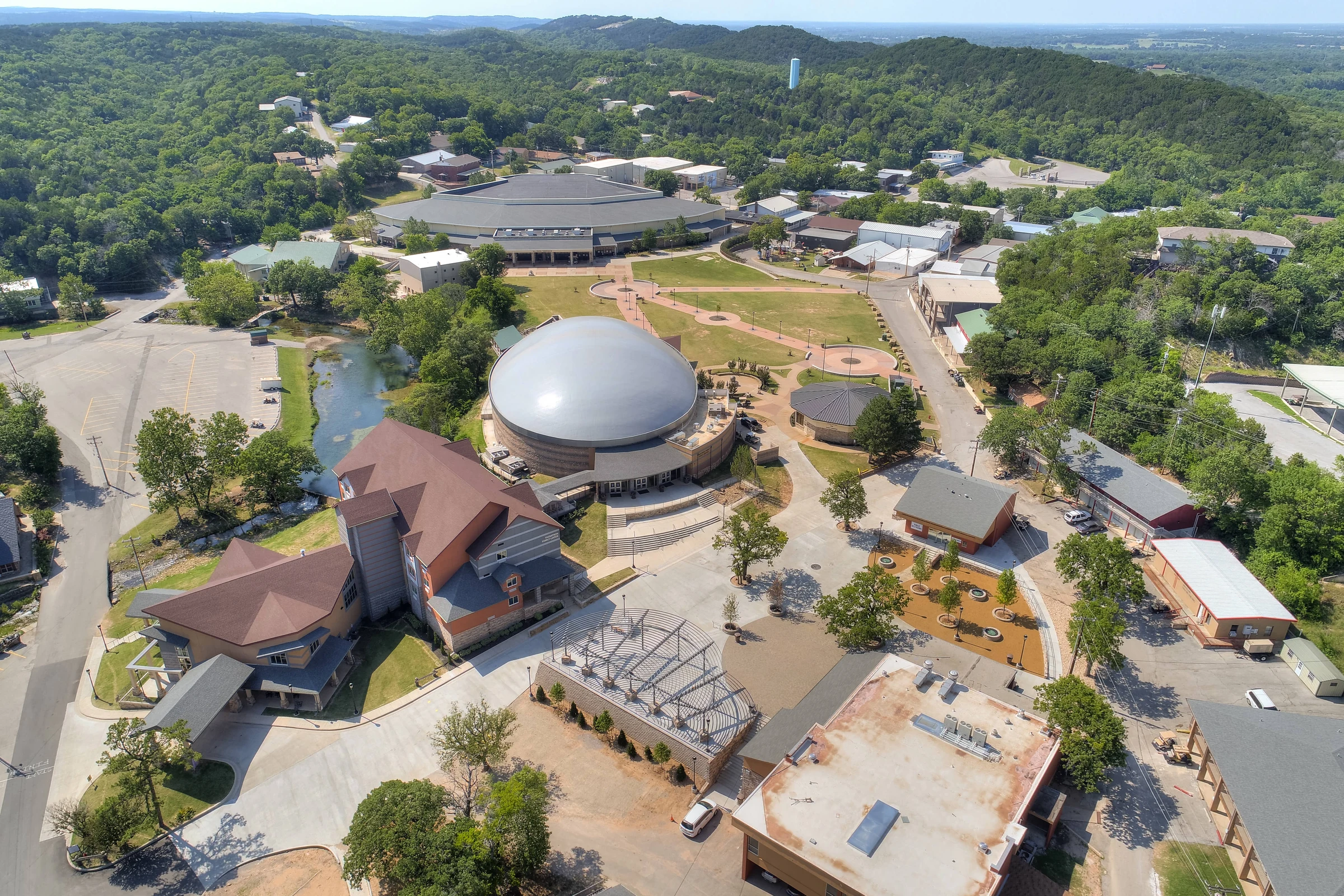
Arena, convention center, and large clear-span venue roof budgets for the Ontario and Fairplex Pomona corridor. Structural load and event-calendar scheduling pricing.
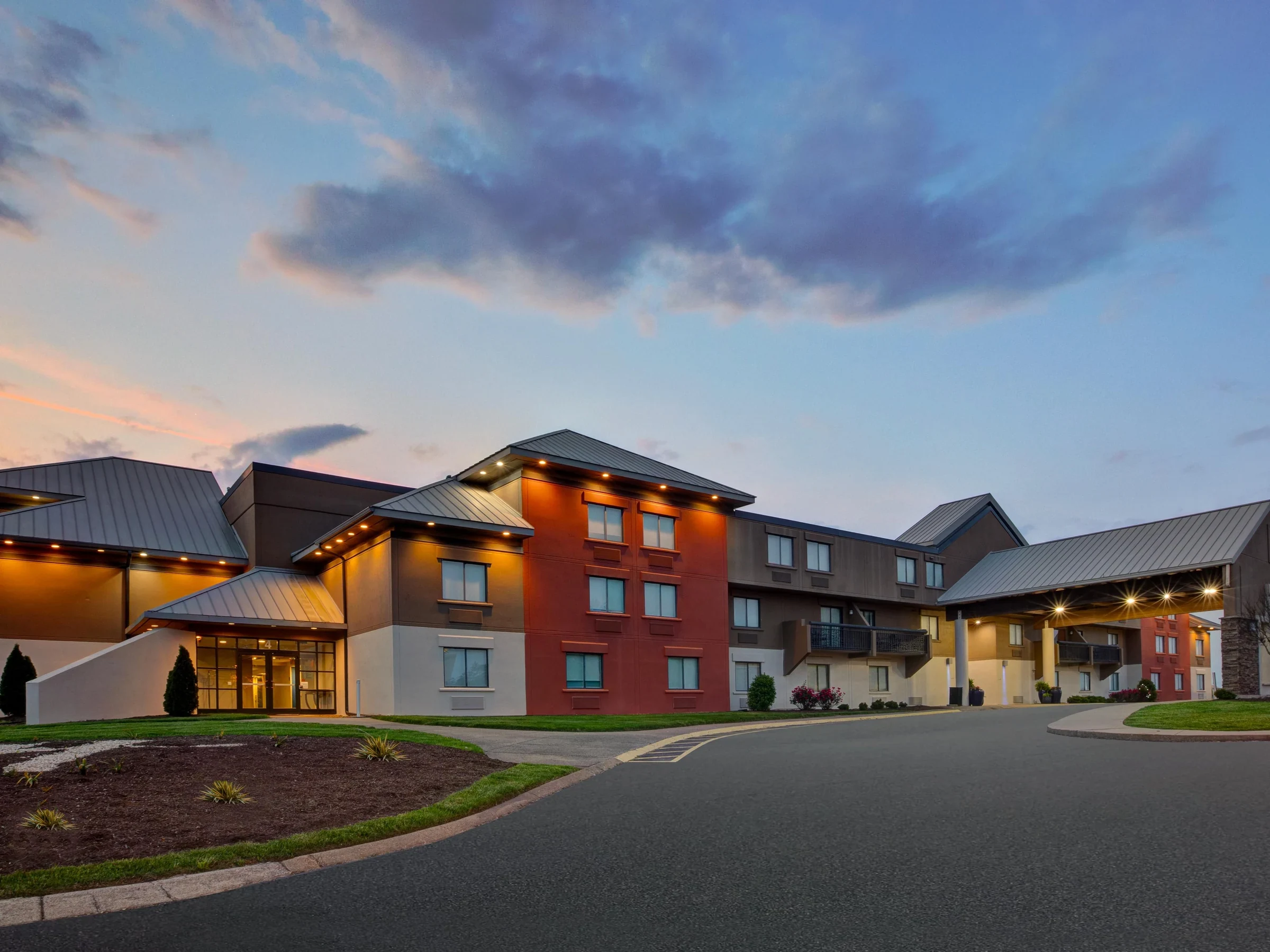
Hotel and Hospitality Roofing in Ontario, CA
Hotel roof replacement and repair pricing near Ontario Airport and the Toyota Arena convention corridor. Guest-occupied phasing budgets.