
Edge Metal, Coping, and Gutters in Ontario, CA
Why the Roof Edge Fails Before the Field Ever Does
Wind does not push down on a roof, it pulls up at the corners and perimeter, and that is exactly where edge metal, coping, and gutter systems sit. On a warehouse roof in this market, the edge detail is doing more structural work against Santa Ana gusts than most owners realize, and pricing it as an afterthought on a reroof is one of the more common mistakes we see in bids from other contractors.
Gauge and Fastening Pattern Are the Real Cost Drivers
A linear-foot price for edge metal means very little without specifying metal gauge and fastener spacing, because those two variables drive both material cost and wind performance. Thin-gauge edge metal fastened at wide spacing is cheaper per foot and is also the detail most likely to be back on our schedule after the next significant wind event. Heavier gauge metal with closer fastener spacing, sized to the wind-uplift rating the building actually needs based on height and exposure, costs more per foot but should not need replacement after every seasonal wind event. We quote both options with the gauge and spacing stated explicitly, so a bid comparison is actually comparing like to like instead of a vague per-foot number.
Coping Systems on Parapet Buildings
Buildings with parapet walls, common across the office and retail product in Upland, Montclair, and the Ontario Mills retail corridor, use a coping cap rather than a simple edge metal detail. Coping failure usually starts at the joint between sections rather than across the field of the cap, since thermal expansion and contraction work that joint every day regardless of storm activity. A coping system with properly designed expansion joints and cleat-secured sections holds up far longer than a continuous run fastened without expansion allowance, which tends to buckle or pull loose at the joints within a few years in this heat cycle.
Gutters on Sloped and Transitional Roof Sections
Not every building in this market is a pure flat roof. Older retail strips, some institutional buildings, and mixed-slope roof sections carry conventional gutters that need their own maintenance and repair scope separate from the low-slope membrane system. Gutter failure here is mostly a debris and slope problem rather than a material failure: eucalyptus and palm debris common across older Inland Empire landscaping clogs outlets faster than gutters in a less vegetated setting, and undersized downspouts on older buildings were rarely sized for the intensity of a modern atmospheric river event.
What an Edge Metal and Coping Estimate Should Specify
A defensible bid on edge, coping, or gutter work states clearly:
- Metal gauge and finish, stated specifically rather than a generic material name
- Fastener type and spacing along the full run
- Whether cleats or continuous fastening secure the face metal
- Expansion joint locations and spacing on coping runs
- The wind-uplift design pressure the detail is built to resist
Any bid missing that detail should be treated as incomplete, because the difference between a properly engineered edge and a cosmetic one shows up only after the first serious wind event, by which point the cheaper option has already cost the owner a second repair.
Repair Versus Full Replacement on an Aging Edge System
Edge metal repair is sometimes a reasonable interim step: resecuring a section that has started to lift, resealing a joint, replacing a short damaged run. But an edge system that has failed once in a wind event is statistically likely to fail again in the next comparable event unless the underlying gauge or fastening pattern is upgraded rather than simply replacing the damaged section in kind. We flag that distinction plainly in every repair estimate so an owner is not surprised to see the same call come back after the next Santa Ana season.
Where Edge Details Get Overlooked on a Reroof Bid
When a reroof estimate arrives with a single lump-sum figure, edge metal and coping work is one of the most common places a low bidder cuts corners without saying so. Reusing existing edge metal instead of replacing it, running standard fastener spacing instead of a wind-rated pattern, or skipping cleats on coping runs all shave real dollars off a competing bid while quietly building in the next storm failure. On a large distribution roof, the total linear footage of edge and coping can run into the thousands of feet, so a small per-foot difference in scope adds up to a meaningful number across the full perimeter.
We itemize edge and coping work as its own line on every reroof estimate rather than folding it into a general perimeter allowance, specifically so an owner comparing two bids can see whether both contractors are actually pricing the same detail or whether one of them has quietly downgraded the wind-uplift performance to win the number.
Edge Metal and Coping Questions Owners Ask
How do I know if my building's edge metal is undersized for this area's wind?
A history of repeat edge failures after wind events is the clearest sign. We can also assess the existing gauge and fastening pattern against current wind-design guidance during a standard roof inspection.
Is upgrading edge metal worth doing on a roof that is not due for a full reroof?
Often yes, since edge metal upgrade is one of the more affordable ways to reduce storm-related repair calls without touching the field membrane at all.
Why does coping fail at the joints instead of across the flat sections?
Thermal movement concentrates stress at joints daily, while the flat cap sections see comparatively little movement. Expansion allowance at the joints is the detail that determines whether coping lasts or fails early.
Do gutters need a separate maintenance schedule from the roof membrane?
Yes, particularly on properties with heavy tree debris nearby. Clogged gutters and downspouts can back water up onto adjacent roof sections even when the membrane itself is sound.
Can edge metal be replaced without disturbing the field membrane?
In most cases yes, provided the membrane termination at the edge is in good condition. If the membrane itself has degraded at the perimeter, that section gets addressed as part of the same scope.
Related
Ready to review the roof scope?
Request a Roof Assessment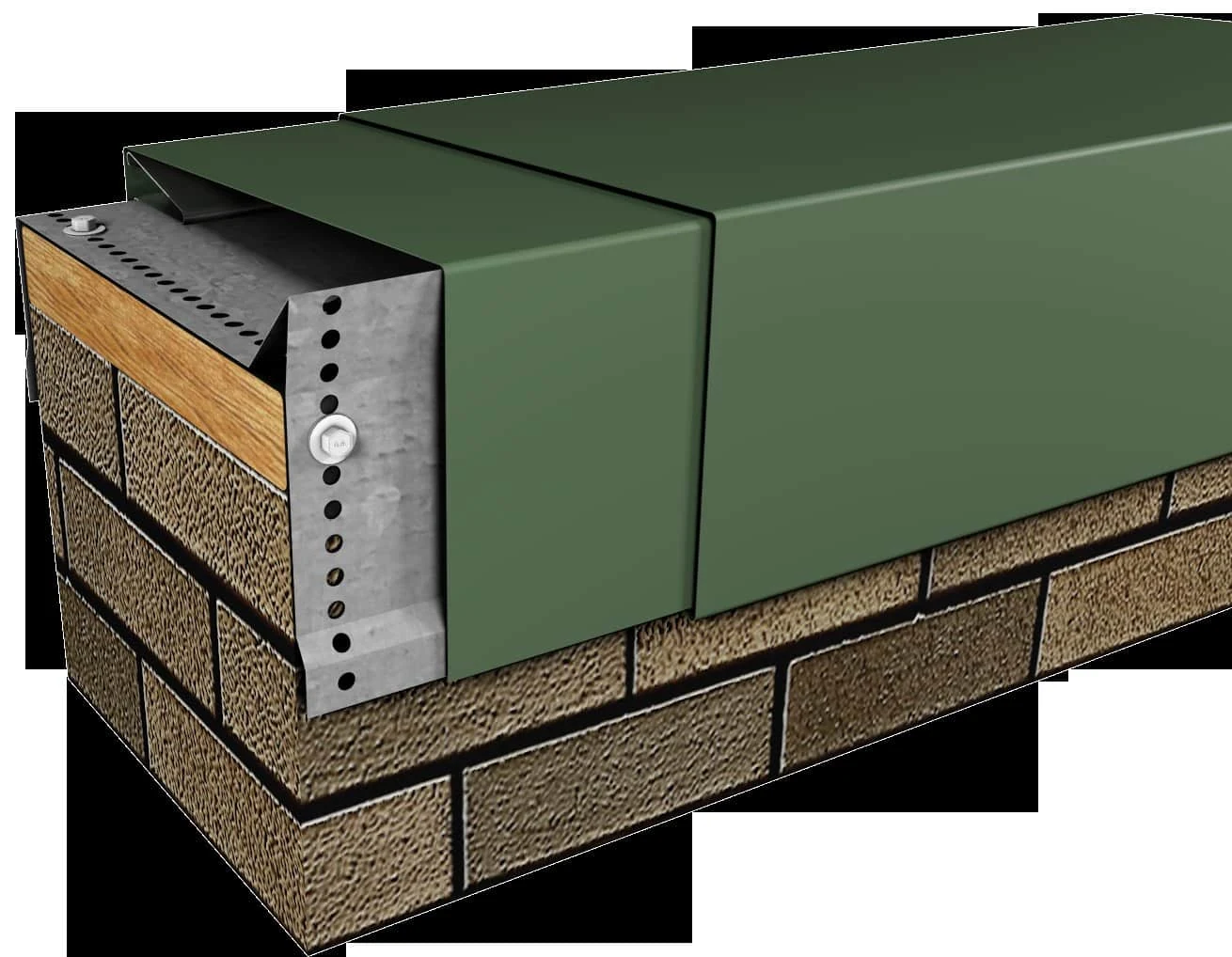
Project List
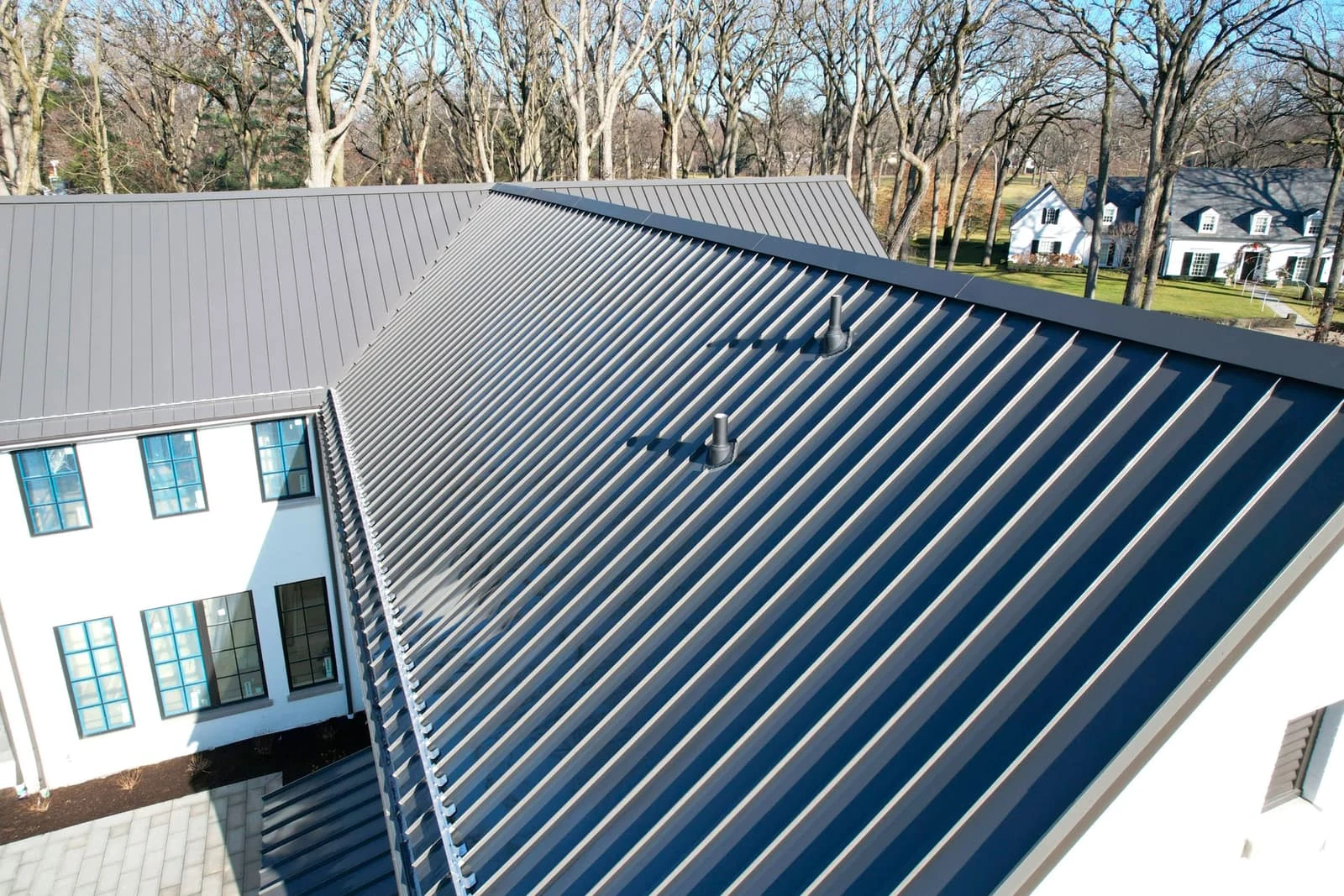
Commercial Roof Inspections & Reports in Ontario
Commercial roof inspections and condition reports in Ontario covering membrane, seams, flashings, drainage, penetrations, moisture indicators, photos, and next steps.
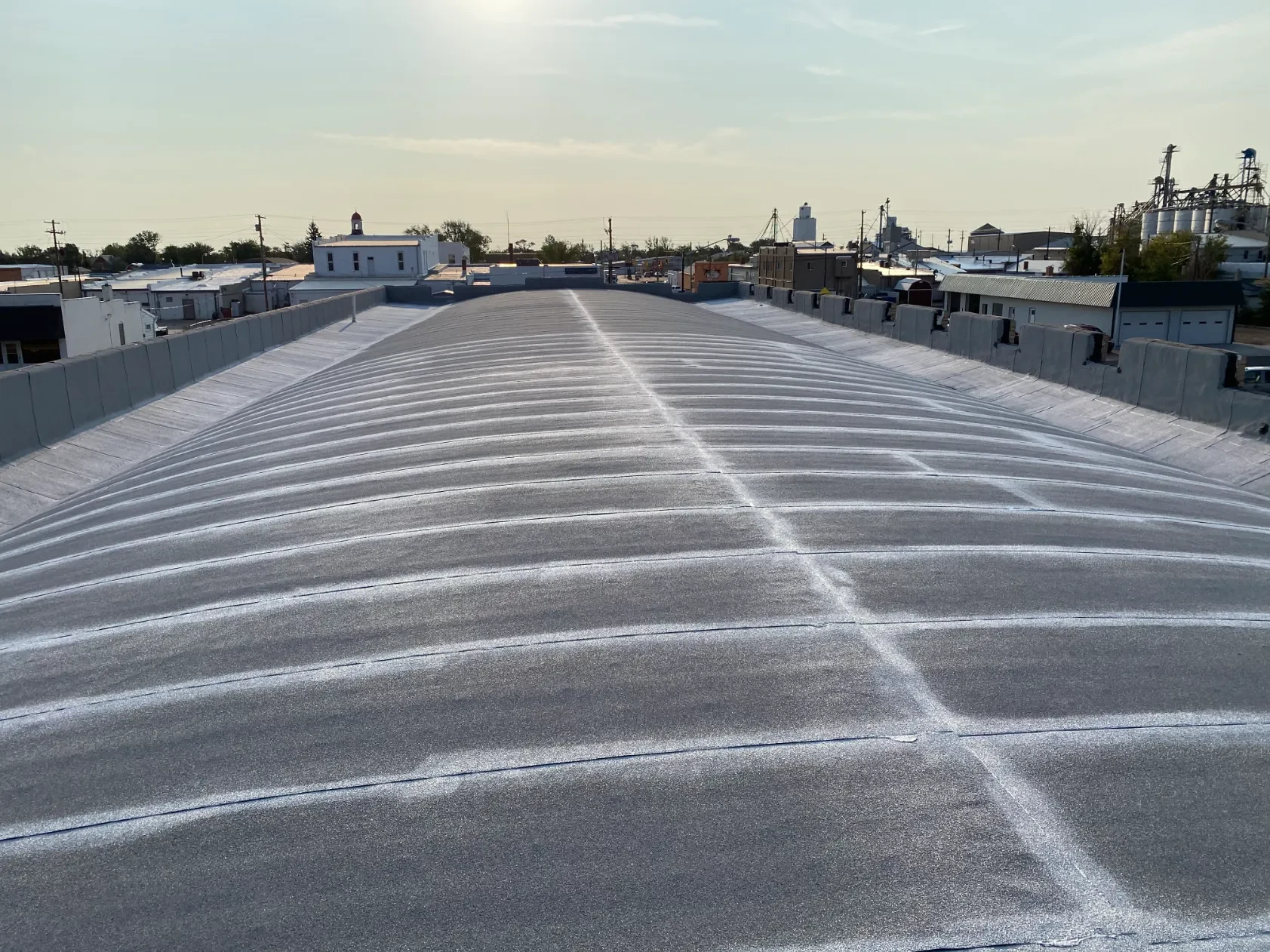
Commercial Roof Repair in Ontario
Commercial roof repair in Ontario with leak investigation, documented repair boundaries, emergency stabilization, and planned corrective work.
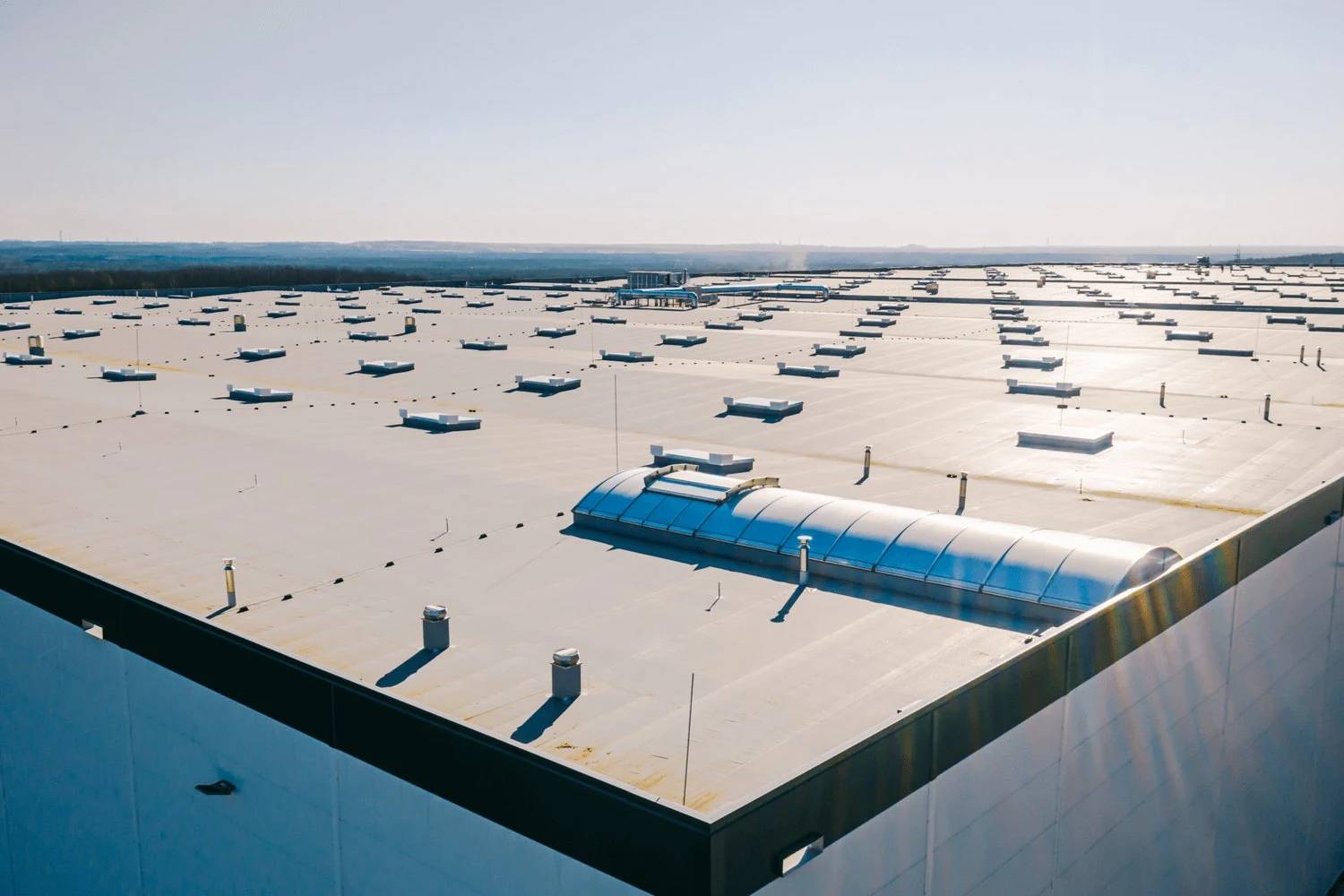
Commercial Roof Replacement in Ontario
Commercial roof replacement in Ontario with clear tear-off or recover scopes, system options, phasing, budgeting, and closeout documentation.
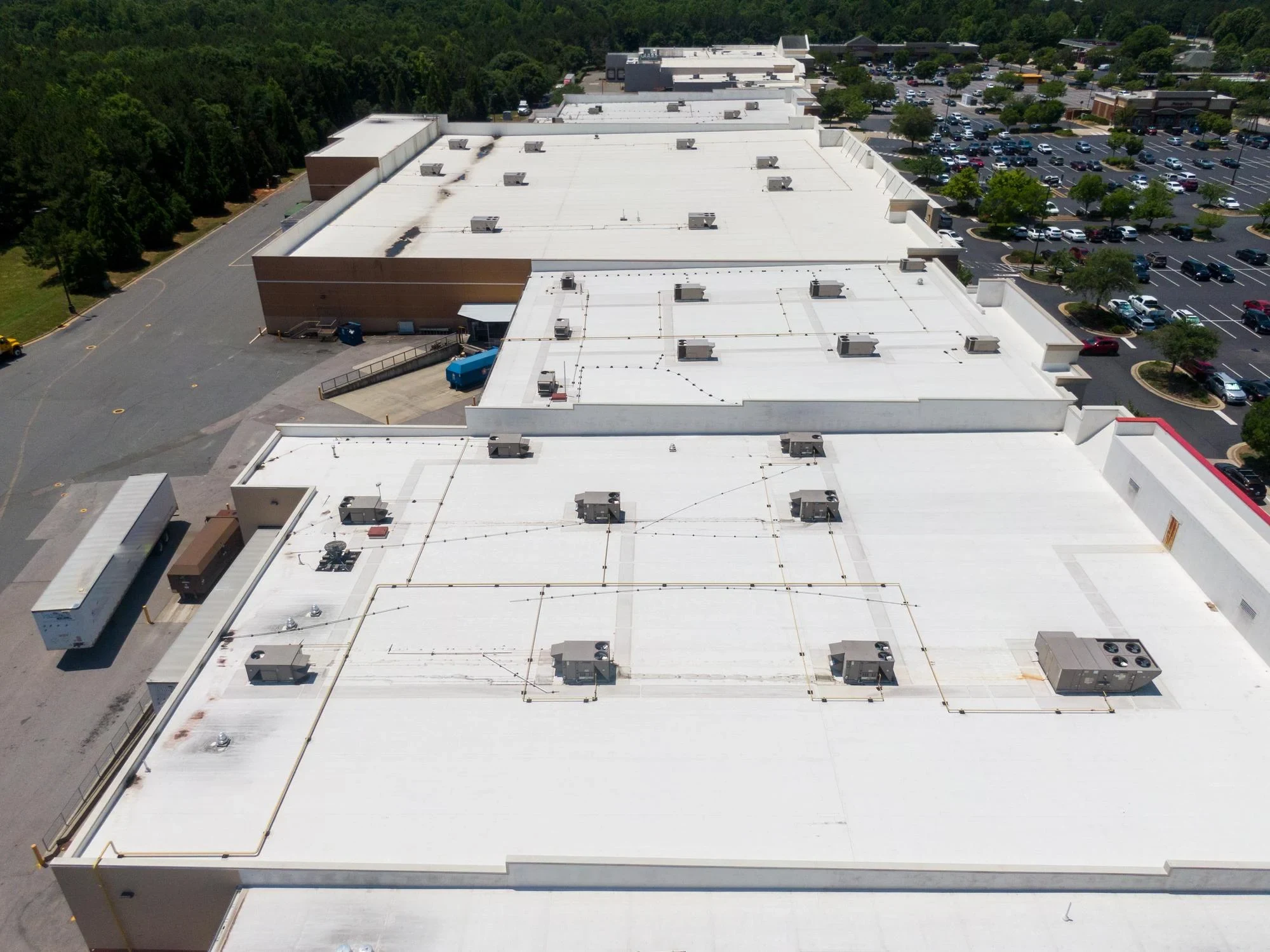
Commercial Reroofing in Ontario, CA
Commercial reroofing for Ontario, CA warehouses, retail, and airport hotels. Recover vs. replace math, Title 24 cool roof rules, and per-square-foot budgets.
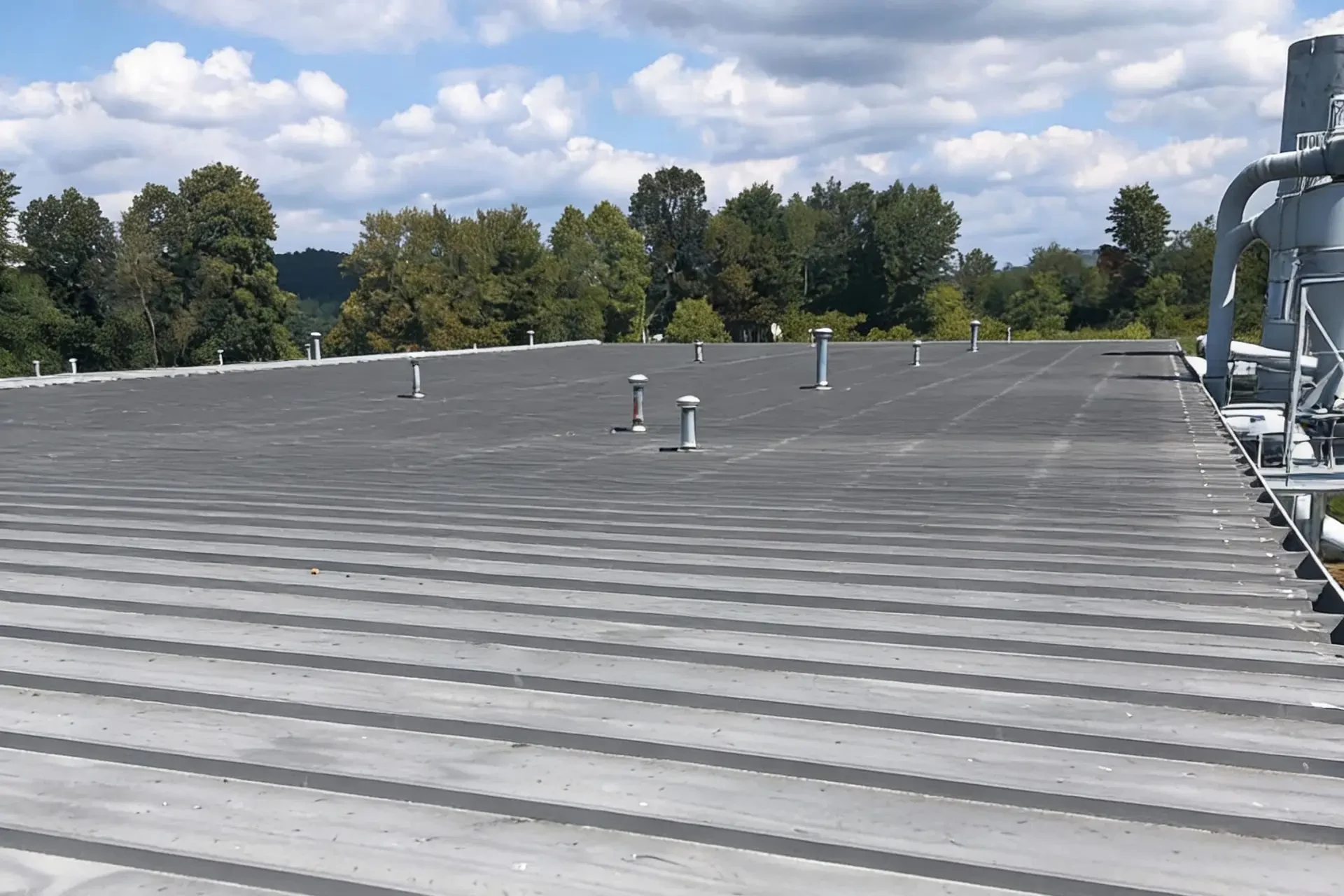
Commercial Roof Maintenance Programs in Ontario
Commercial roof maintenance programs in Ontario with scheduled inspections, drain and detail service, repair tracking, photos, and budget priorities.
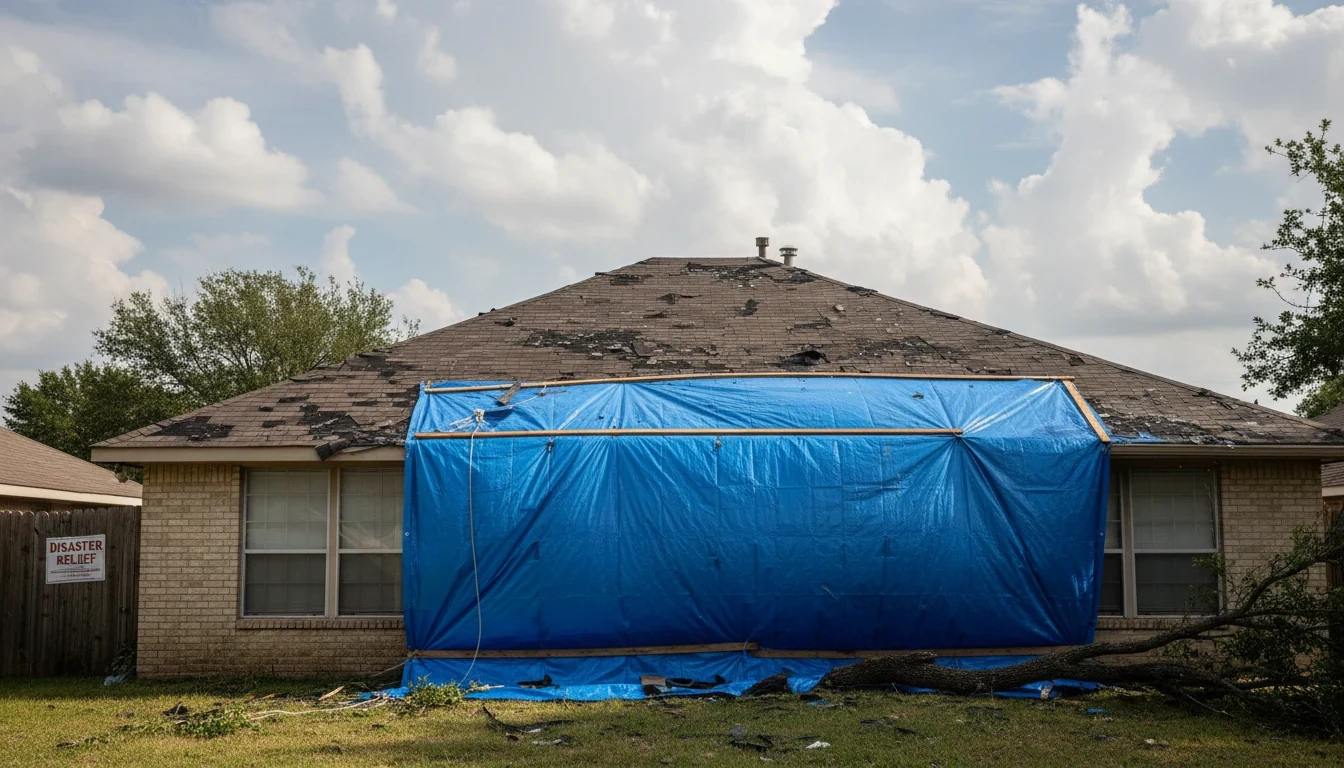
Emergency Tarp and Dry-In Service in Ontario, CA
Emergency roof tarp and dry-in service for Ontario, CA warehouses and distribution centers. Mobilization pricing and what stops active water fast.
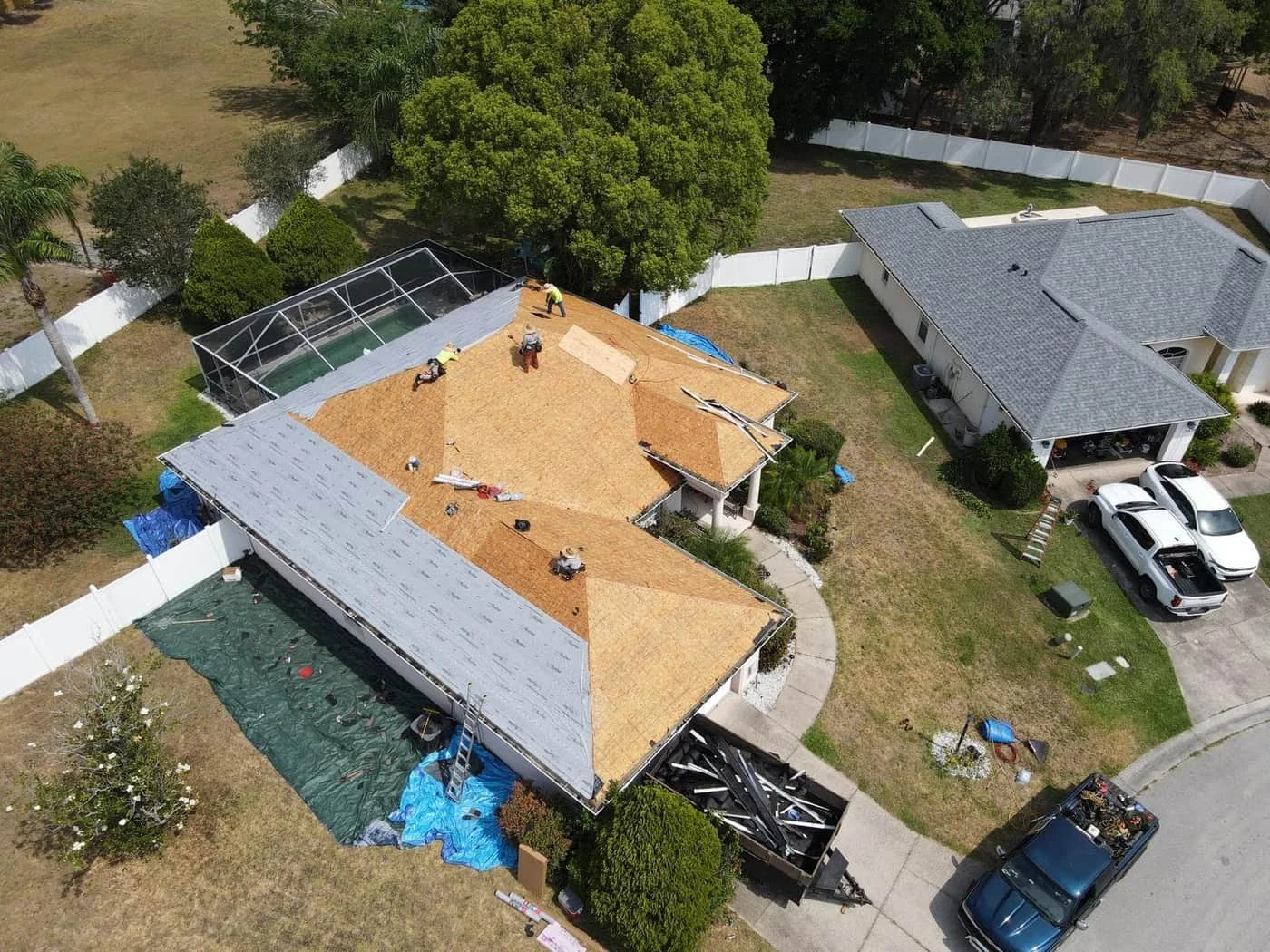
Storm Damage Roof Repair in Ontario, CA
Storm damage roof repair for Ontario, CA buildings hit by Santa Ana wind or winter rain events. Documented damage scopes and realistic repair budgets.
Roof Recover & Overlay in Ontario, CA
Roof recover and overlay for Ontario, CA warehouses. Moisture survey criteria, the two-covering code limit, and the real cost-per-square-foot math against tear-off.