
Roof Recover & Overlay in Ontario, CA
Recover Only Works If the Numbers Underneath Actually Support It
A roof recover installs a new membrane assembly over an existing roof rather than tearing it off, and on the right building it prices at roughly half the cost per square foot of full replacement. On the wrong building, it's a way to bury a problem under a warranty that won't hold up. The entire decision comes down to two questions we answer before quoting anything: is the insulation dry, and is there still a legal layer left to add.
The Moisture Survey Is Not Optional
Every recover estimate starts with a moisture survey, either infrared scanning, a core-sample grid, or both on larger roofs. Wet insulation conducts heat differently than dry insulation, which shows up clearly on an infrared scan taken under the right conditions, and core samples confirm what the scan shows. If more than a small fraction of the roof's insulation reads wet, the recover math collapses immediately, because covering saturated board just entombs a moisture source that keeps corroding fasteners and feeding blisters in the new membrane above it.
We've walked plenty of roofs around Pomona and the older Mission Boulevard industrial corridor where an owner wanted a recover quote and the moisture survey came back showing widespread saturation. In those cases the honest estimate is a tear-off quote, even though it's the harder number to deliver. See our tear-off and replacement page for how we price that alternative.
California's Two-Covering Limit
State code caps a roof assembly at two roof coverings, and a genuine share of the older industrial buildings we bid in this market already carry two: an original built-up roof with a modified bitumen overlay added at some point in the building's history, for instance. Once that limit is hit, recover is off the table regardless of how dry the insulation reads. We check permit history and pull a core sample specifically to count existing layers before quoting, because guessing wrong here means a rejected plan check months into a project.
What Recover Actually Involves
A typical recover installs a separation layer or a layer of new insulation directly over the existing roof surface, followed by the new membrane system, fully adhered, mechanically attached, or in rarer cases ballasted depending on the deck's load capacity. Adding insulation during the recover is also the easiest, cheapest point in a roof's life to improve its R-value toward current Title 24 continuous insulation requirements, since the labor to access the roof is already committed to the project.
- Moisture survey confirming dry insulation across the full roof field, beyond a handful of spot samples
- Layer count verification against California's two-covering code maximum
- Separation or cover board layer specified to isolate the new membrane from existing surface irregularities
- Insulation upgrade added where it improves Title 24 compliance and thermal performance economically
- New membrane system selected to match the building's traffic, exposure, and hold period
- Edge metal, flashing, and drain height details rebuilt to accommodate the added roof thickness
Drain Height and Edge Detail: The Detail Recover Bids Miss
Adding a layer of insulation and a new membrane raises the roof surface, sometimes just an inch or two, but that small change affects drain bowl height, scupper openings, and parapet wall flashing termination points. A recover bid that doesn't account for rebuilding those details is setting up a drainage problem on day one. We rebuild drain assemblies and re-flash parapets to the new roof height as a standard line item, not an afterthought discovered mid-project.
Cost Per Square Foot: Recover Against Tear-Off, Honestly
A recover's installed cost typically runs at roughly half of a comparable tear-off and replacement, driven mostly by what recover skips: demolition labor, disposal tonnage, and a full new insulation package from scratch. That savings is real and significant on a large warehouse roof, but it only holds up if the roof qualifies. We won't quote a recover on a roof that should be a tear-off just because the smaller number is the easier conversation, and we document the moisture survey results in writing so the recommendation is defensible either way.
When Overlay Genuinely Beats Waiting Another Year
Deferring a reroof decision has a real cost too: continued leak risk, continued UV degradation, and a roof that keeps getting closer to the point where recover is no longer legally available. On buildings we've surveyed and confirmed dry, with layer count still under the code limit, we often recommend moving on a recover sooner rather than later specifically because that legal window doesn't stay open indefinitely as the existing roof continues to age and accumulate wear.
Recover and Overlay Questions From Ontario Owners
How do I know if my roof qualifies for a recover?
A moisture survey and a layer-count core sample answer both questions definitively. We run both before quoting so you get a real answer, not a guess based on the roof's visual condition alone.
Is recover cheaper because it's a lower-quality roof?
No. It's cheaper because it skips demolition and disposal, not because the new membrane itself is a lesser product. The membrane, insulation, and flashing specifications are the same quality tier we'd use on a tear-off.
What happens if the moisture survey finds wet spots in only part of the roof?
We can sometimes recommend a targeted tear-off of just the wet zones combined with a recover over the dry majority, which keeps costs down while still addressing the actual problem area honestly.
Does a recover reset my roof's warranty the same as a tear-off?
Manufacturer warranties on recover systems are typically strong, though terms can differ from a full tear-off warranty depending on the existing substrate condition. We review the specific manufacturer's recover warranty terms as part of every proposal.
How long does a recover typically buy compared to full replacement?
A properly executed recover with a quality membrane can run close to the same service life as a comparable new-construction roof, which is exactly why the cost savings make it such a strong option whenever the building actually qualifies.
Related
Ready to review the roof scope?
Request a Roof AssessmentProject List
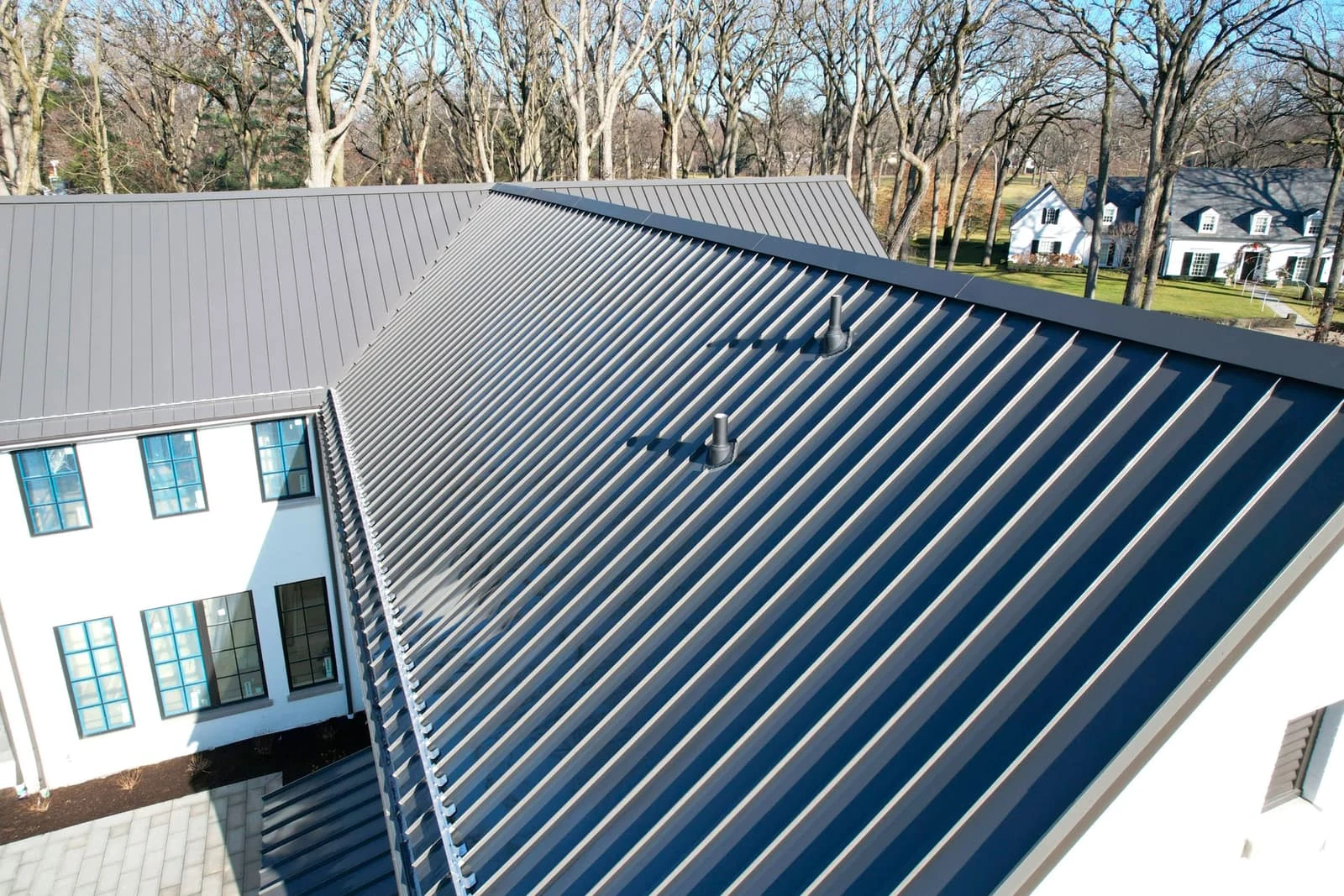
Commercial Roof Inspections & Reports in Ontario
Commercial roof inspections and condition reports in Ontario covering membrane, seams, flashings, drainage, penetrations, moisture indicators, photos, and next steps.
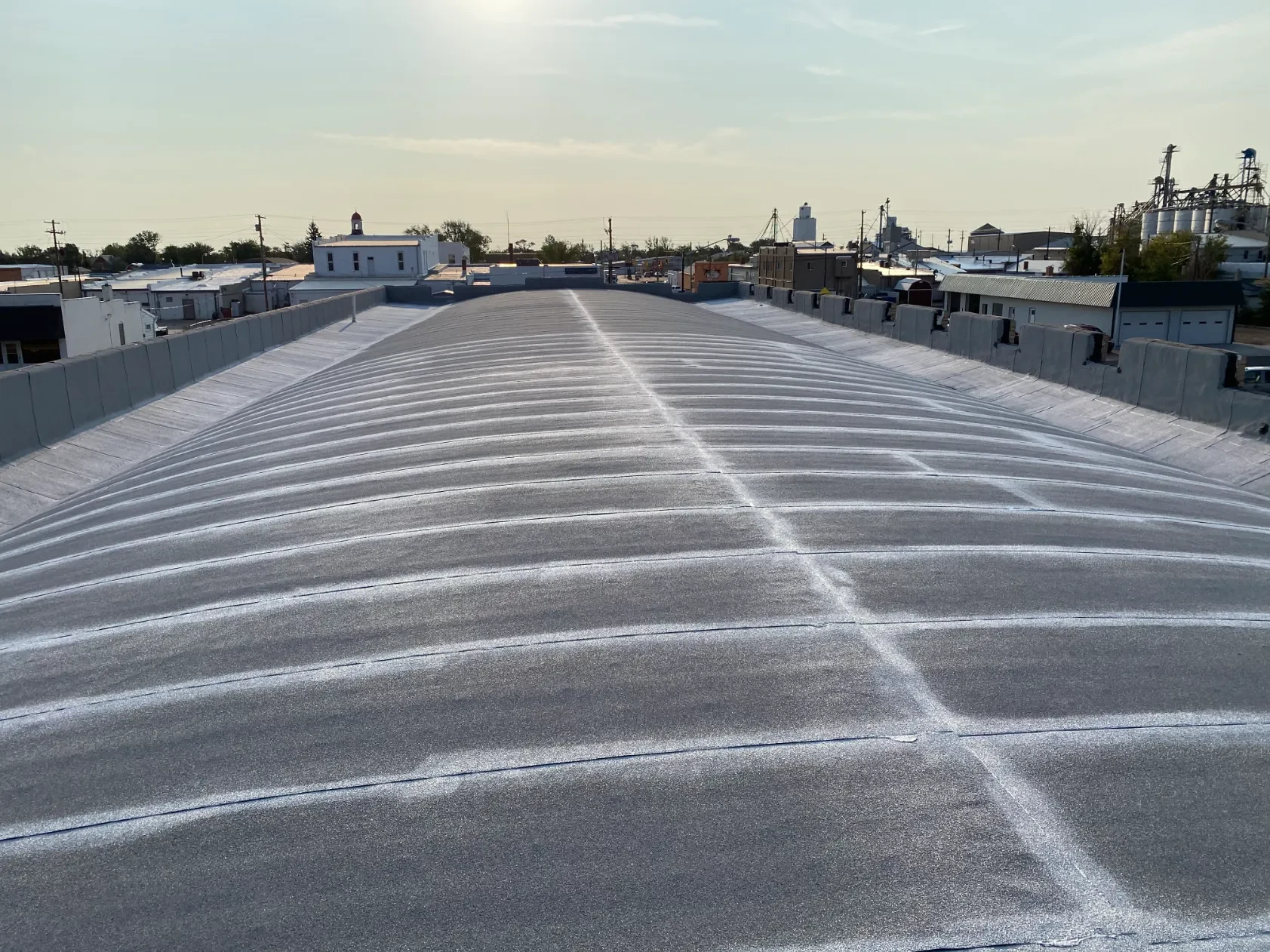
Commercial Roof Repair in Ontario
Commercial roof repair in Ontario with leak investigation, documented repair boundaries, emergency stabilization, and planned corrective work.
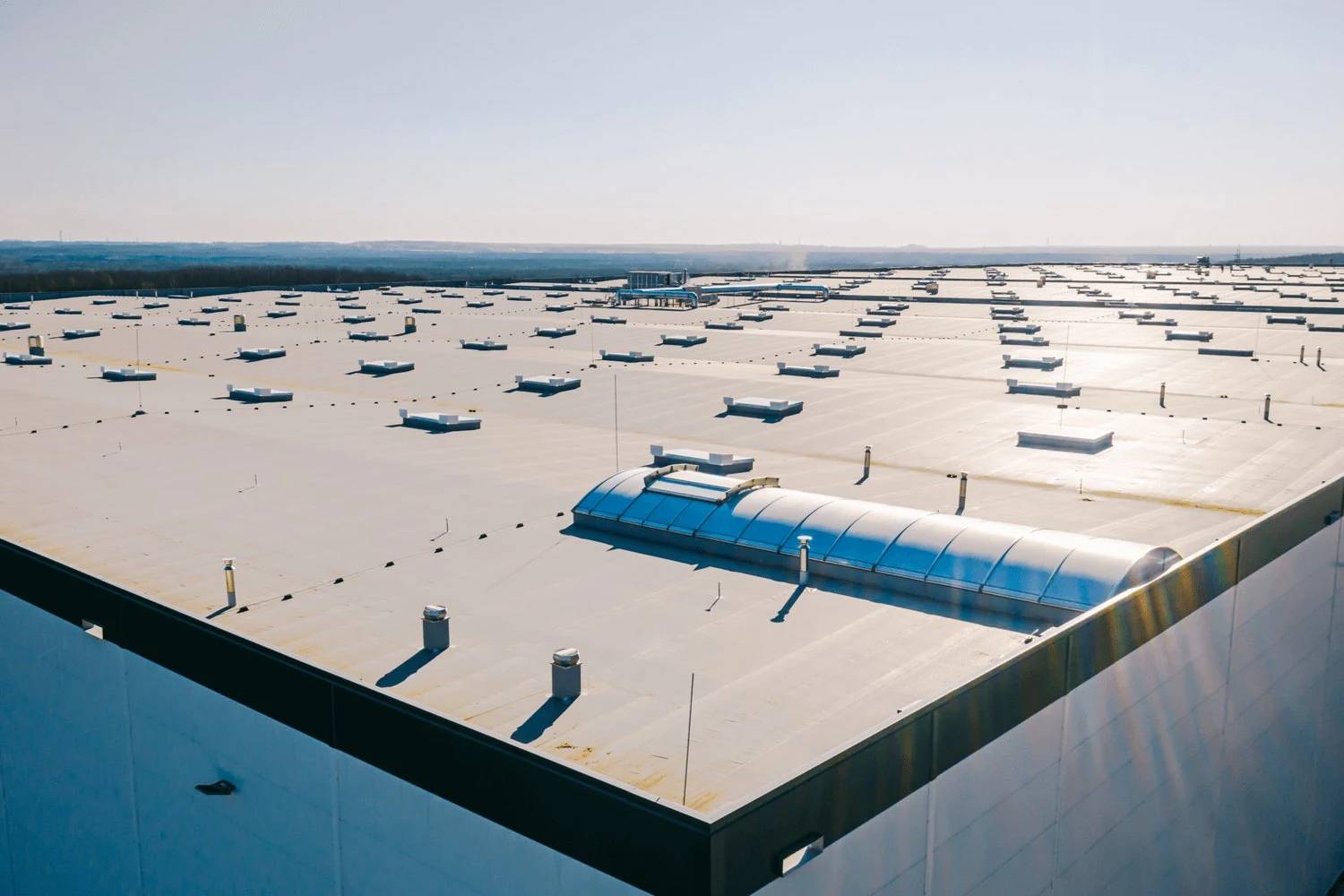
Commercial Roof Replacement in Ontario
Commercial roof replacement in Ontario with clear tear-off or recover scopes, system options, phasing, budgeting, and closeout documentation.
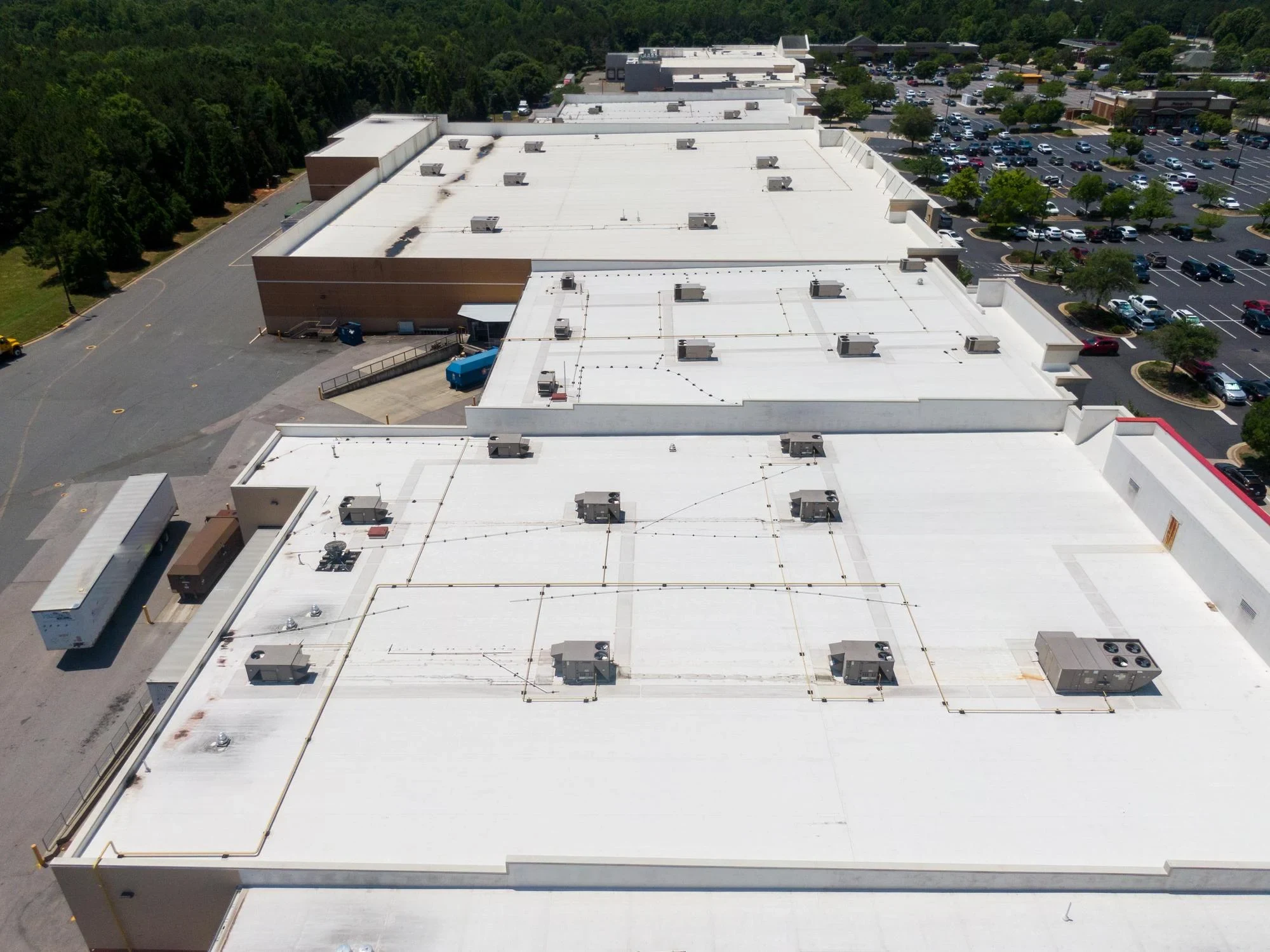
Commercial Reroofing in Ontario, CA
Commercial reroofing for Ontario, CA warehouses, retail, and airport hotels. Recover vs. replace math, Title 24 cool roof rules, and per-square-foot budgets.
Commercial Roof Maintenance Programs in Ontario
Commercial roof maintenance programs in Ontario with scheduled inspections, drain and detail service, repair tracking, photos, and budget priorities.
Emergency Tarp and Dry-In Service in Ontario, CA
Emergency roof tarp and dry-in service for Ontario, CA warehouses and distribution centers. Mobilization pricing and what stops active water fast.
Storm Damage Roof Repair in Ontario, CA
Storm damage roof repair for Ontario, CA buildings hit by Santa Ana wind or winter rain events. Documented damage scopes and realistic repair budgets.
Roof Recover & Overlay in Ontario, CA
Roof recover and overlay for Ontario, CA warehouses. Moisture survey criteria, the two-covering code limit, and the real cost-per-square-foot math against tear-off.