
PVC Roofing in Ontario, CA
PVC Roofing for the Buildings TPO Can't Handle
PVC is the smaller share of our single-ply bids, and that is by design, not accident. It costs more per square foot than TPO in most thickness comparisons, and for a standard dry warehouse roof that premium buys nothing you need. On roofs exposed to grease, oil, or certain chemical vapors, PVC is the only single-ply membrane that holds up, and the premium becomes the obvious answer instead of a hard sell.
Why Grease and Chemical Exposure Change the Membrane Choice
Standard TPO and EPDM formulations degrade when exposed to petroleum-based oils, greases, and certain solvents, which shows up as softening, swelling, or accelerated seam failure over time. PVC's chemistry resists that exposure far better, which is why it is the standard specification near restaurant and food-service rooftop kitchen exhaust, and on manufacturing buildings handling oils or solvent-based processes.
We see this most on buildings around Ontario Mills and the retail corridors with dense restaurant tenant mixes, where rooftop grease exhaust from multiple kitchen hoods lands directly on the membrane below the exhaust path. A TPO roof under that exposure shows visible degradation within a few years; PVC, properly detailed at the exhaust termination points, holds up for the membrane's full service life.
Cold Storage and Food Processing: The Other Common Case
Cold storage and food-grade buildings near the ONT air cargo area and along the Jurupa Valley corridor bring a different set of exposures: ammonia refrigerant off-gassing risk near mechanical penthouses, condensation cycling from refrigeration equipment, and strict facility standards around chemical compatibility. PVC's resistance to a broader range of industrial chemicals makes it the safer default spec on these buildings, and several major manufacturers formulate PVC membranes specifically marketed for cold-storage and food-processing exposure.
We price the incremental cost of PVC against the exposure risk on these buildings rather than defaulting to it automatically. A dry-goods warehouse next to a cold-storage building does not necessarily need PVC just because its neighbor does.
The Plasticizer Question Owners Should Understand
PVC membranes rely on plasticizers to stay flexible, and older-generation PVC formulations had a real reputation for plasticizer migration over time, leading to embrittlement and cracking decades into a roof's life. Manufacturer formulations have improved substantially, and current PVC membranes carry warranty terms that reflect that improvement, but we still tell clients the honest history here rather than pretend the concern never existed. We check current manufacturer data sheets and warranty terms for plasticizer retention rather than assume every PVC product performs identically.
Seam Welding: Similar Process, Different Chemistry
Like TPO, PVC seams are hot-air welded rather than taped, which gives it the same seam-integrity advantage over EPDM. The weld parameters differ from TPO because the material chemistry differs, so crews running both membrane types need separate weld settings and separate QC procedures. We probe every PVC seam the same way we probe TPO, with documented testing by roof zone. A crew switching between membrane types mid-project without resetting weld temperature and speed settings is the most common cause of a marginal PVC seam we get called to inspect, which is why our crews log which membrane and weld profile applies to each roof section before work starts.
What a PVC Scope Typically Includes on a Chemical-Exposure Building
- Membrane thickness selected for exposure severity, typically 50-mil or 60-mil on industrial applications
- Compatible insulation and cover board rated for the specific chemical exposure
- Fully welded seams with documented probe testing by zone
- Chemically resistant flashing details at grease exhaust terminations and equipment curbs
- Edge metal and penetration details specified to the membrane manufacturer's exposure-rated warranty
Cost Per Square Foot Versus the Alternative Cost of Failure
The lifecycle math on PVC is straightforward once exposure is real: a cheaper TPO roof under a grease exhaust path that needs replacement in five years costs more over time than a PVC roof that runs its full warranty term. We model both scenarios explicitly when a client questions the PVC premium, because the sticker price comparison alone makes PVC look like the wrong answer until the exposure risk is priced in.
PVC Roofing Questions From Building Owners
Do I need PVC if my building has no kitchen exhaust or chemical exposure?
Usually not. For a standard dry warehouse or office roof, TPO typically delivers equivalent performance at a lower installed cost. We only recommend PVC when there is a specific exposure to justify it, and we'll say so plainly during the estimate rather than push the higher-margin membrane on a building that doesn't need it.
Is PVC's plasticizer problem still an issue today?
Current formulations from established manufacturers have addressed most of the historical embrittlement concern, but we still review the specific product's data sheet and warranty term rather than assume uniform performance across brands.
How much more does PVC cost than TPO?
Material cost typically runs meaningfully higher per square foot than comparable-thickness TPO. The gap is worth paying on genuine exposure risk and often not worth paying on a standard dry roof.
Can PVC go over an existing EPDM or TPO roof?
Sometimes, depending on compatibility with the existing membrane and a passing moisture survey. We check chemical compatibility between old and new membrane materials before recommending any recover, since not all single-ply chemistries are compatible in direct contact.
Does PVC handle Ontario's summer heat as well as TPO?
Reflectance performance is comparable when both are specified in white, factory-reflective finishes, and both handle the sustained summer heat load here without issue when properly installed and detailed.
Related
Ready to review the roof scope?
Request a Roof Assessment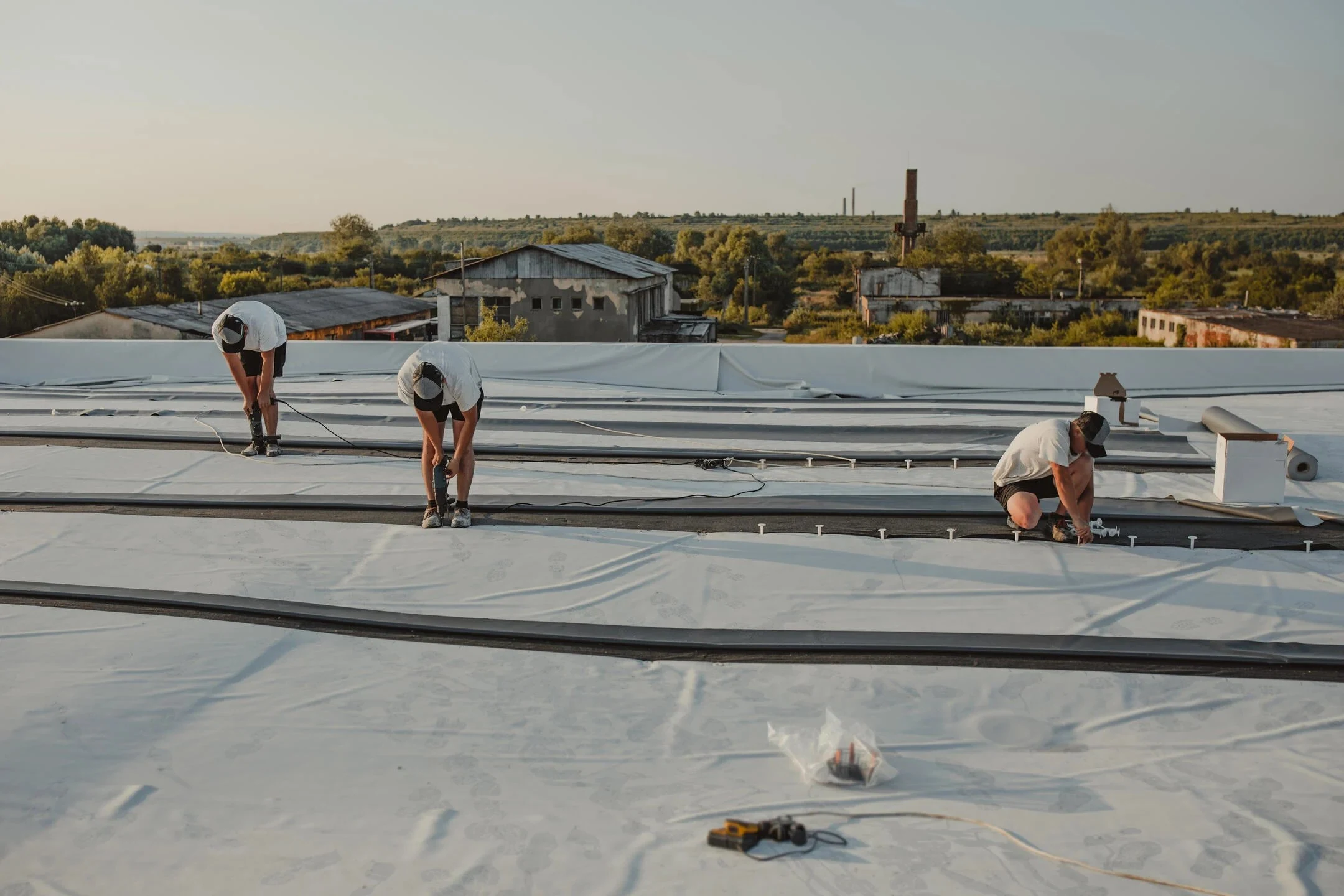
Project List
Commercial Roof Inspections & Reports in Ontario
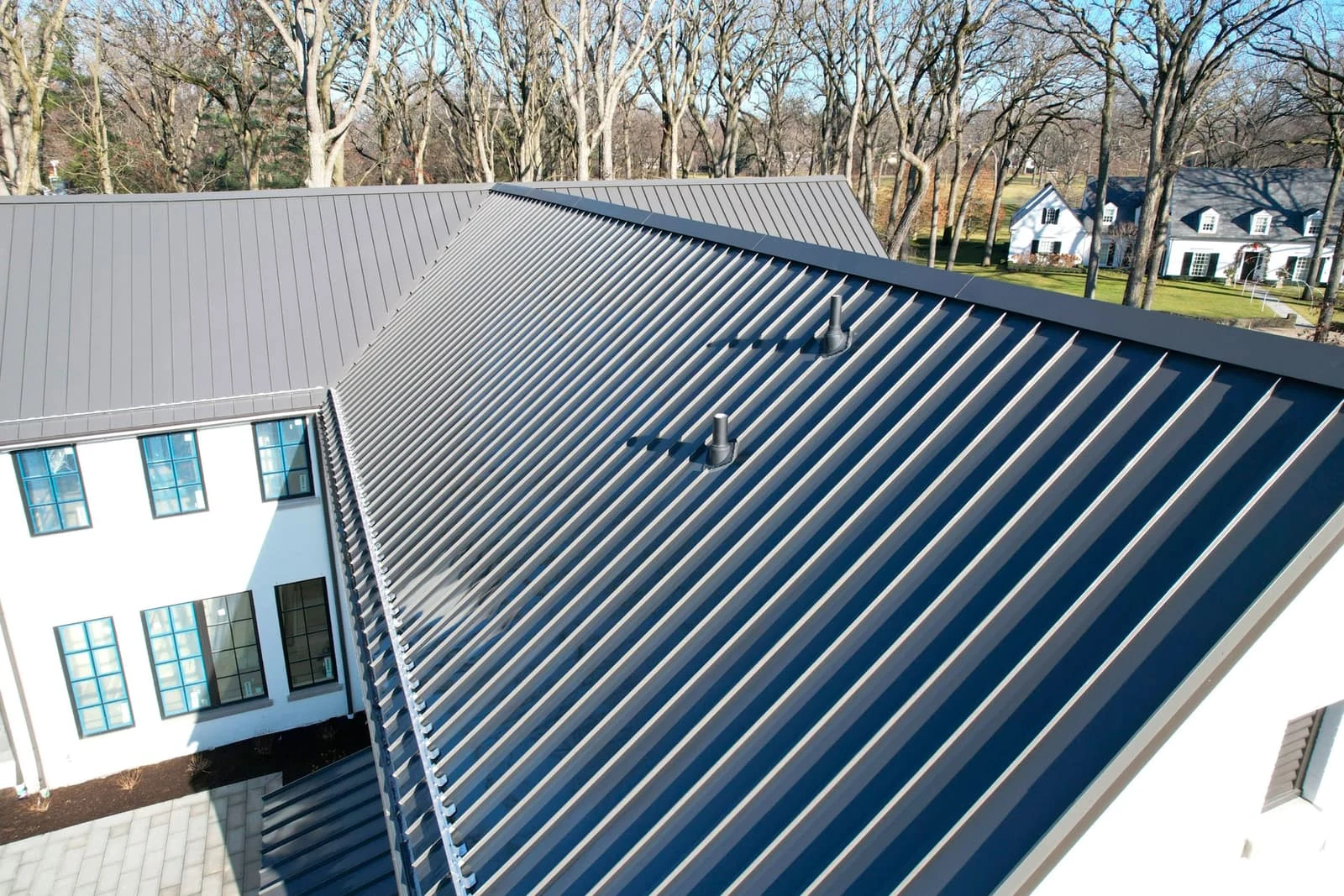
Commercial roof inspections and condition reports in Ontario covering membrane, seams, flashings, drainage, penetrations, moisture indicators, photos, and next steps.
Commercial Roof Repair in Ontario
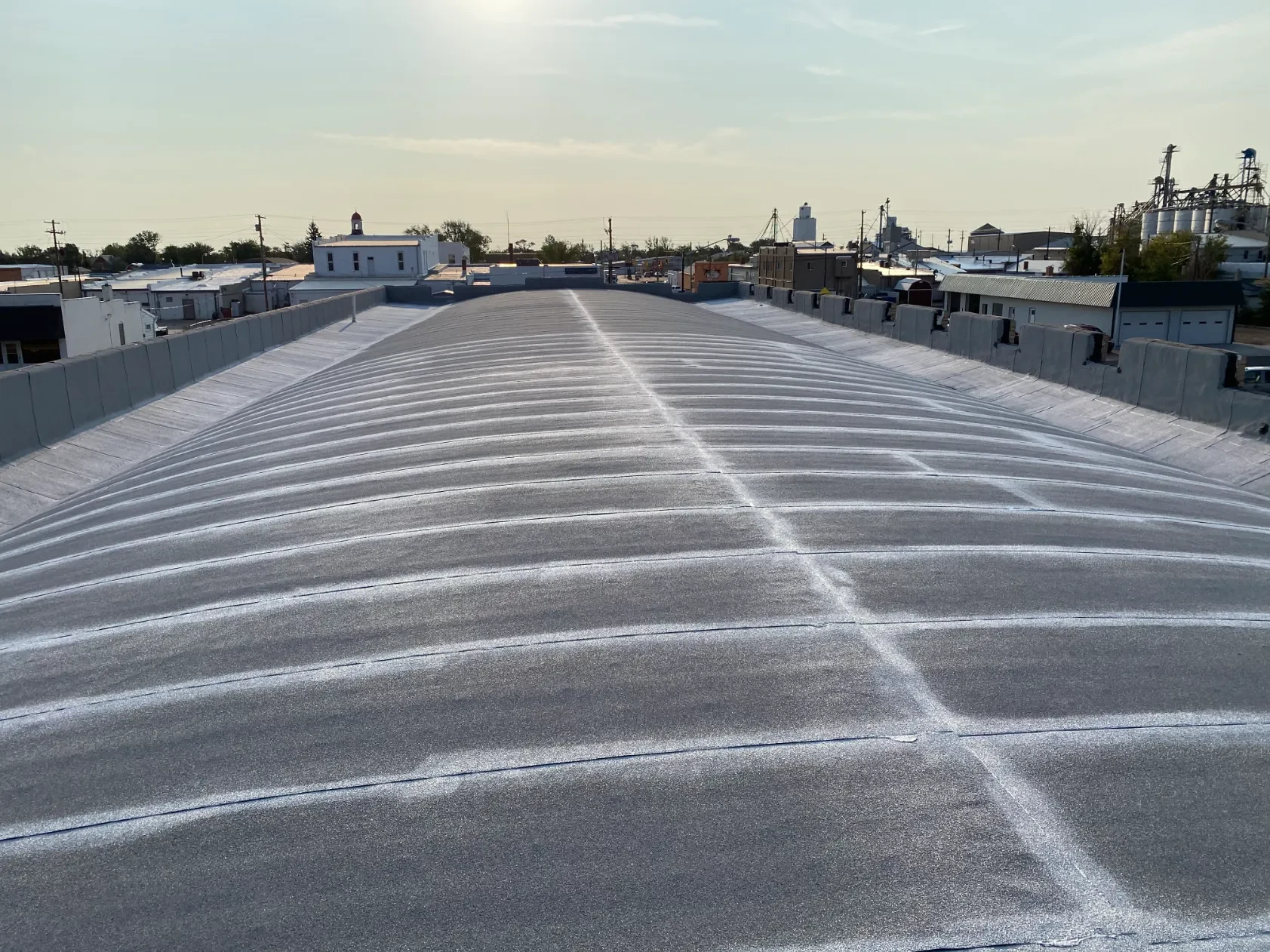
Commercial roof repair in Ontario with leak investigation, documented repair boundaries, emergency stabilization, and planned corrective work.
Commercial Roof Replacement in Ontario
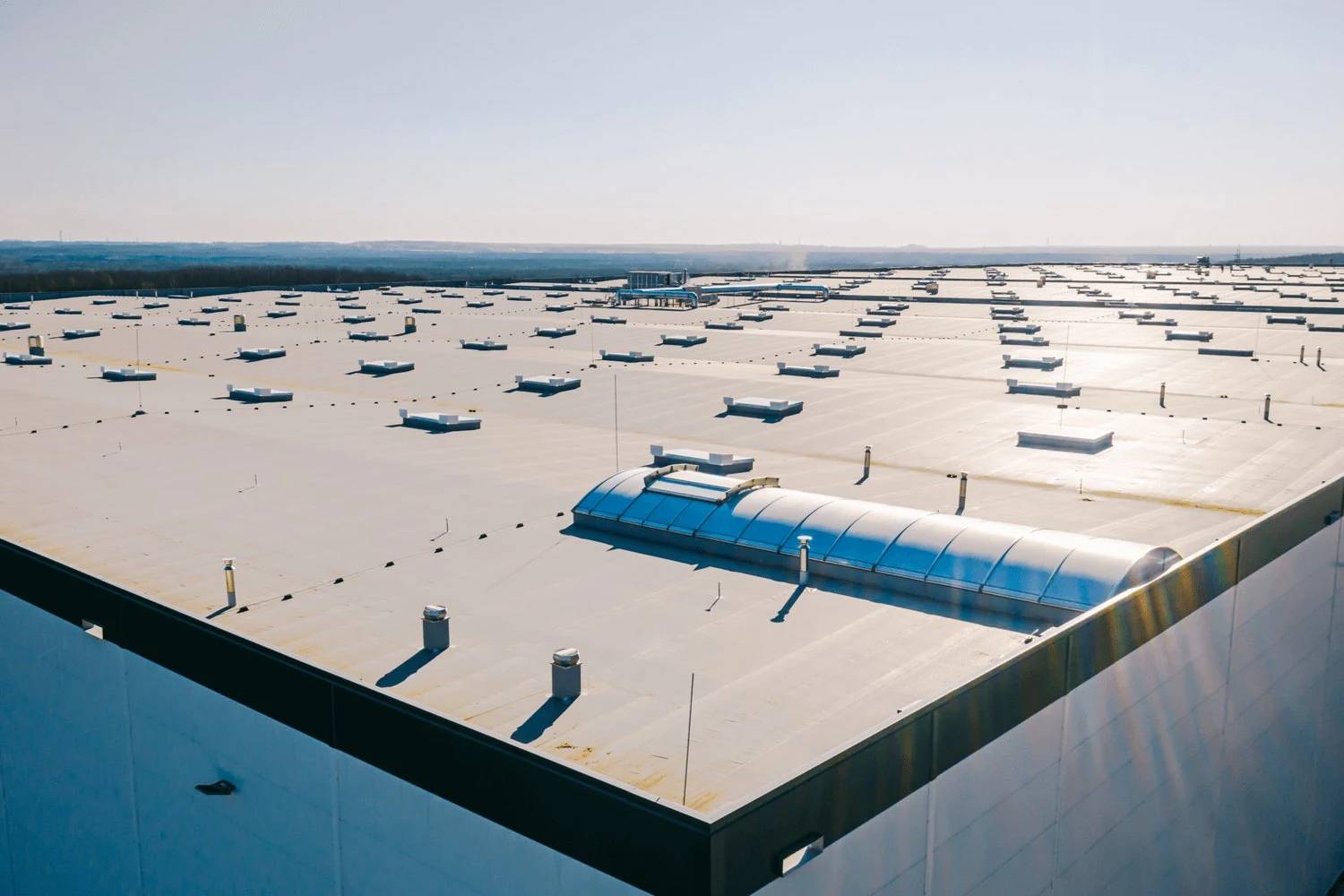
Commercial roof replacement in Ontario with clear tear-off or recover scopes, system options, phasing, budgeting, and closeout documentation.
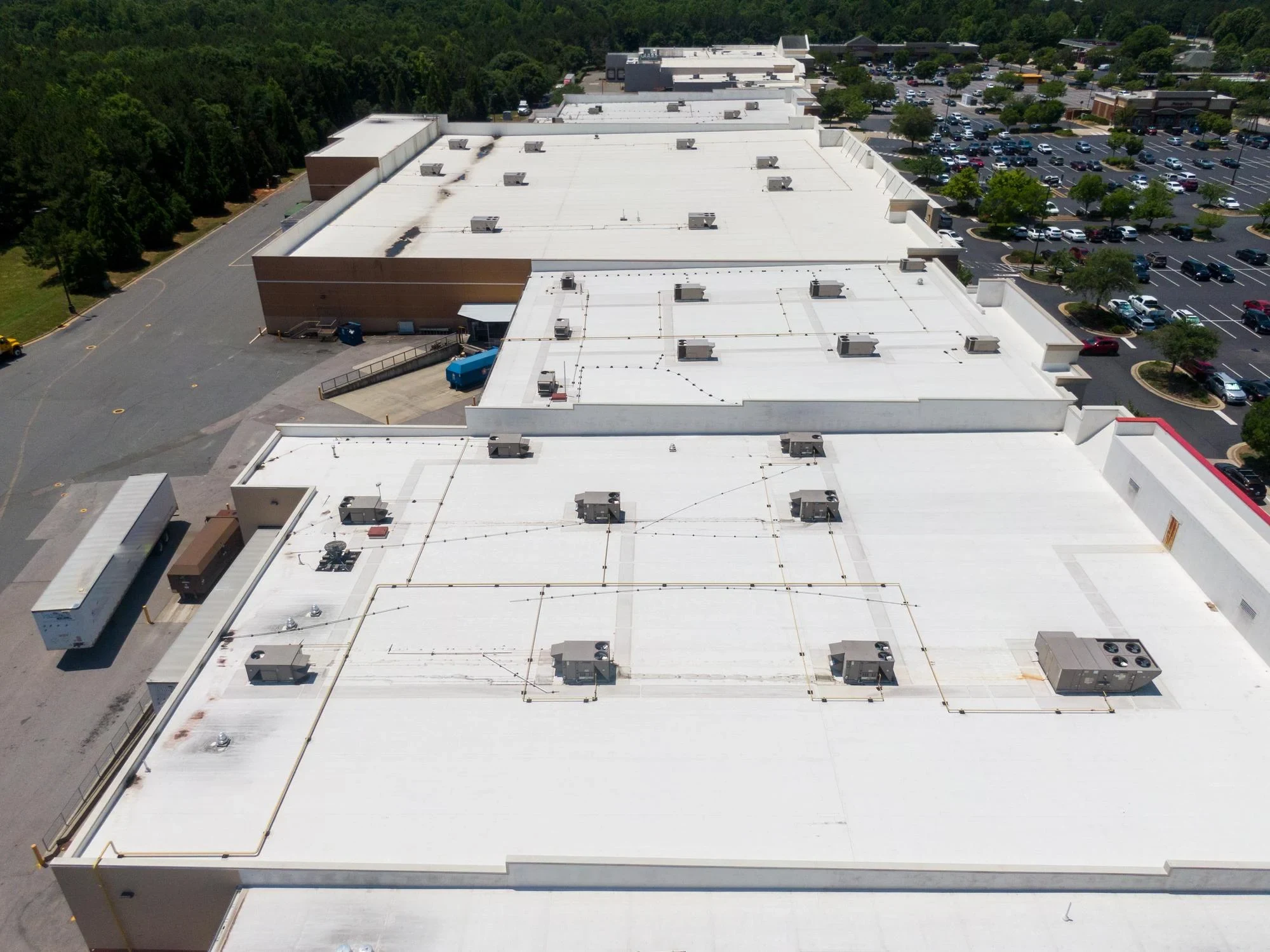
Commercial Reroofing in Ontario, CA
Commercial reroofing for Ontario, CA warehouses, retail, and airport hotels. Recover vs. replace math, Title 24 cool roof rules, and per-square-foot budgets.
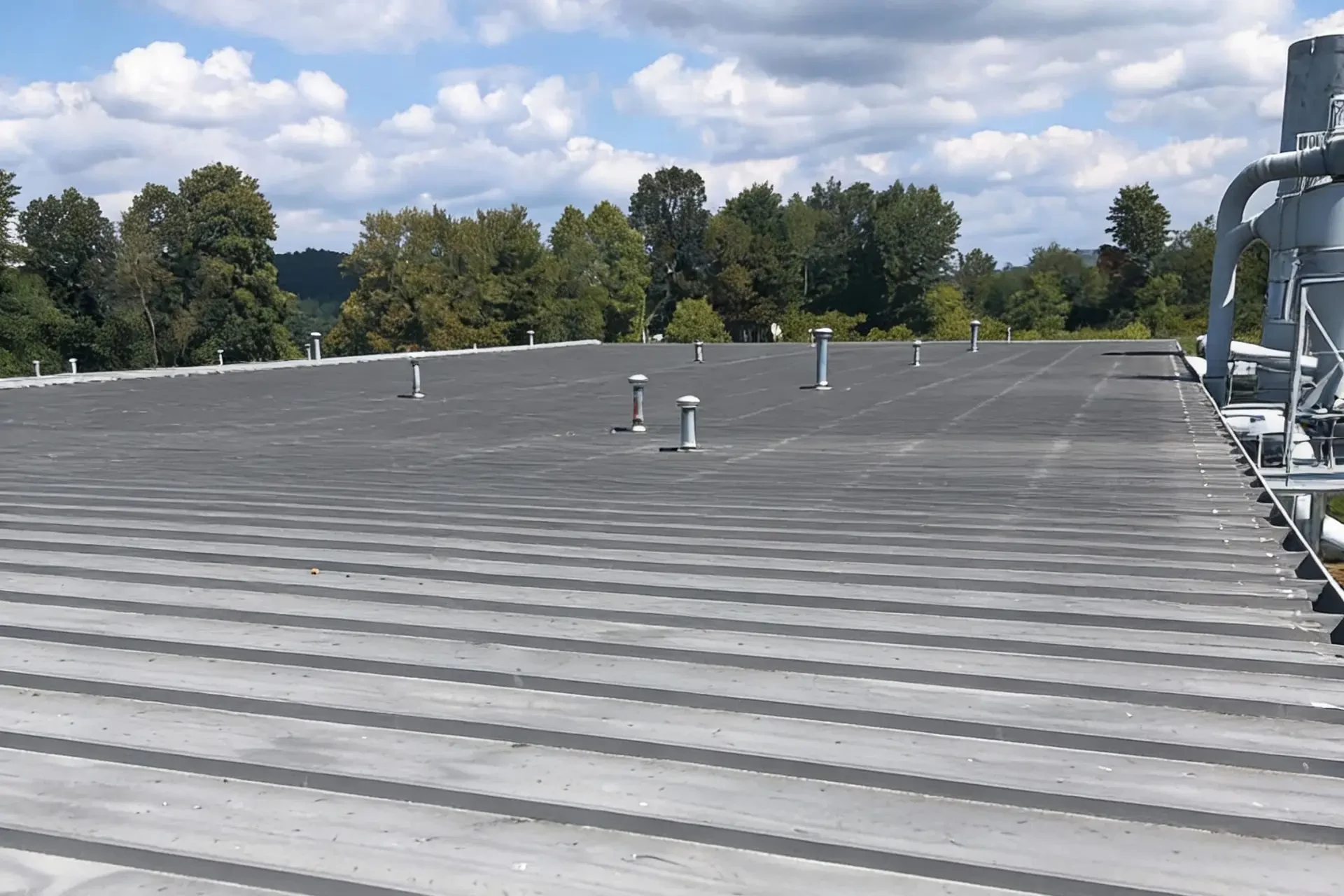
Commercial Roof Maintenance Programs in Ontario
Commercial roof maintenance programs in Ontario with scheduled inspections, drain and detail service, repair tracking, photos, and budget priorities.
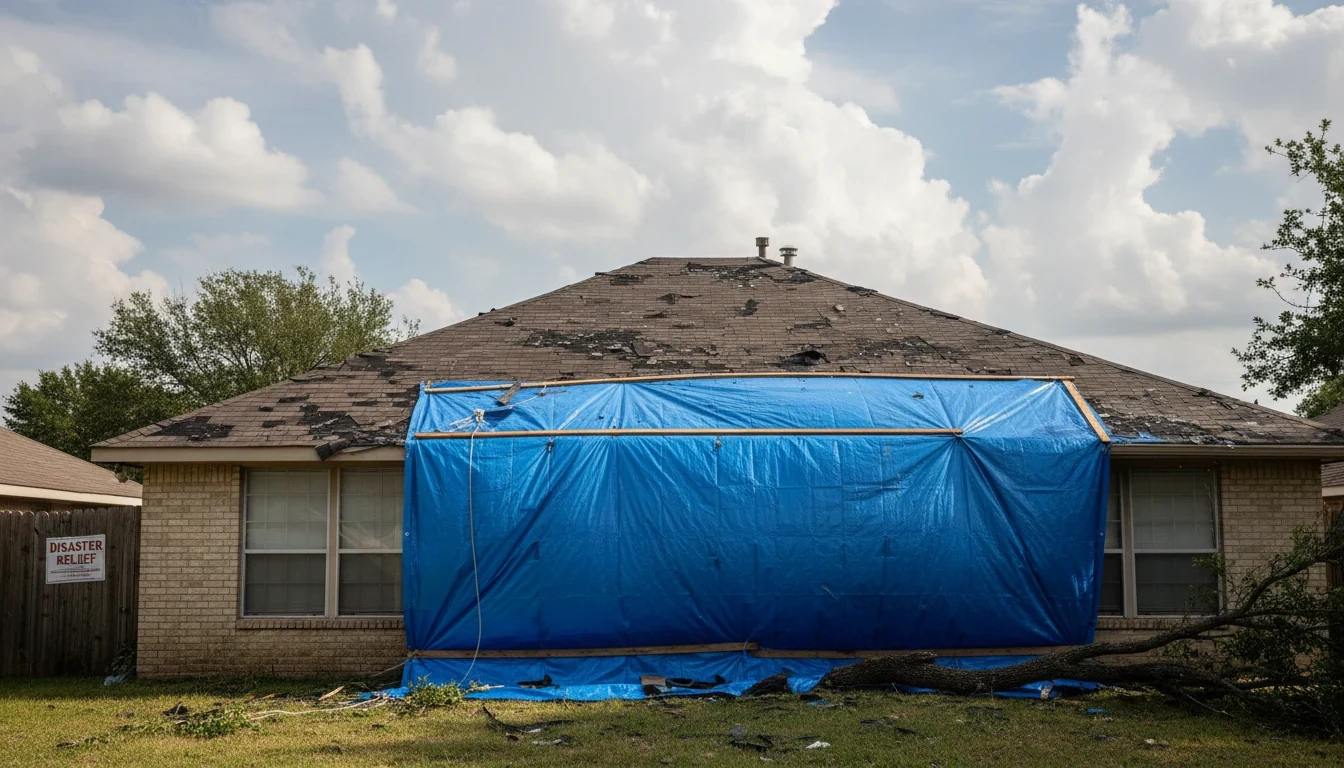
Emergency Tarp and Dry-In Service in Ontario, CA
Emergency roof tarp and dry-in service for Ontario, CA warehouses and distribution centers. Mobilization pricing and what stops active water fast.
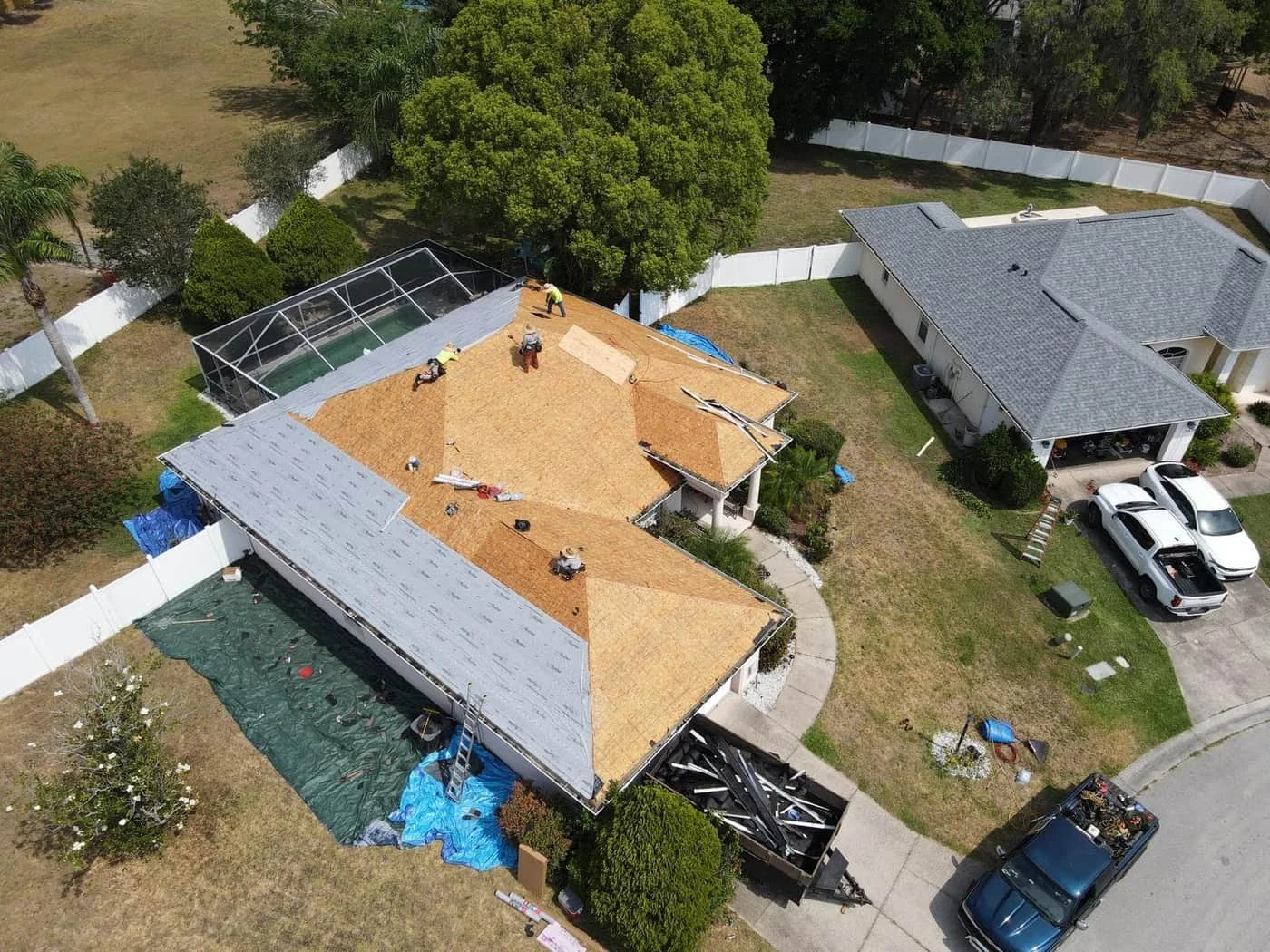
Storm Damage Roof Repair in Ontario, CA
Storm damage roof repair for Ontario, CA buildings hit by Santa Ana wind or winter rain events. Documented damage scopes and realistic repair budgets.
Roof Recover & Overlay in Ontario, CA
Roof recover and overlay for Ontario, CA warehouses. Moisture survey criteria, the two-covering code limit, and the real cost-per-square-foot math against tear-off.