
Metal R-Panel Roofing in Ontario, CA
R-Panel: The Workhorse Metal Roof on Ontario's Budget-Driven Buildings
R-panel, sometimes called corrugated or exposed-fastener metal, is the lowest installed cost per square foot in our metal roofing category, and that single fact explains where it shows up. Self-storage facilities, light industrial buildings, and agricultural-adjacent structures where appearance carries little leasing value all favor R-panel's price point over standing seam's higher upfront cost. The trade-off is a real maintenance obligation that owners need to plan for, not skip.
Where R-Panel Actually Gets Specified
Self-storage development around Eastvale and Chino, where new facilities compete on cost of construction more than architectural presence, is where we bid the most R-panel work. It also shows up on secondary buildings within larger industrial parks, canopy structures, and older light-manufacturing buildings across the wider Inland Empire footprint where a roof simply needs to keep water out at the lowest defensible cost.
The Exposed Fastener Trade-Off, Explained Honestly
R-panel attaches through the panel face with screws and neoprene washers, directly into the purlins below. That is simpler and faster to install than a concealed clip system, which is where the cost savings come from. It is also the system's fundamental weakness: every one of those thousands of fasteners is a potential leak point, and the rubber washer gasket that seals each screw degrades under UV exposure and thermal cycling over time.
Ontario's summer heat load pushes daily thermal expansion and contraction on exposed metal panels, and that constant movement works fastener holes wider over years of cycling. Screws back out gradually, washers harden and crack, and a roof that was watertight at installation develops scattered leak points as it ages, typically starting somewhere in year seven to twelve depending on exposure and installation quality.
Fastener Re-Torque Programs: The Maintenance Line Item Owners Skip at Their Own Cost
The single most effective thing an owner can do to extend an R-panel roof's service life is a scheduled fastener inspection and re-torque program: a crew walks the roof, identifies backed-out or failed fasteners, and replaces the washers and re-drives or replaces the screws before they become active leaks. We recommend this on a recurring cycle rather than waiting for a tenant complaint, because by the time water is visibly entering the building, the fastener has usually been compromised for a while and interior damage may already be underway.
We price this as a standing maintenance line item, not a one-time repair, because fastener degradation is continuous and predictable, not a single event. Owners who budget for it consistently get meaningfully more service life out of an R-panel roof than owners who treat every leak as an isolated surprise. On self-storage and light industrial buildings around Eastvale and Chino where R-panel dominates new construction, we typically propose the first inspection cycle at handoff so the owner has a documented baseline condition rather than starting the maintenance clock from an unknown state.
What a Complete R-Panel Scope Includes
- Panel gauge selected for the building's span and wind exposure, typically 26-gauge or 29-gauge steel
- Fastener spacing engineered to the specific wind uplift zone rather than a generic pattern
- Closure strips and trim details at ridges, eaves, and rakes to prevent wind-driven water intrusion
- Sealant tape at overlapping panel seams in addition to the fastener line
- Gutter and downspout capacity sized for the roof's total drainage area
When R-Panel Is the Wrong Answer
On any building where the roofline is visible and contributes to leasing value, or where the owner's hold period runs long enough that fastener maintenance costs would exceed the upfront savings, we steer clients toward standing seam instead. See our standing seam metal roofing page for that comparison. R-panel earns its keep on buildings where minimizing day-one cost genuinely matters more than long-term maintenance overhead, and we say so plainly rather than upselling every metal roof to the premium tier.
Cost Per Square Foot Over the Full Ownership Period
R-panel's installed cost typically runs well below standing seam on a like-for-like building. Factor in a realistic fastener maintenance program over a fifteen or twenty-year hold, and the gap narrows, though it rarely closes entirely for straightforward self-storage or light industrial buildings. We present both numbers, upfront cost and maintained lifecycle cost, so the comparison to standing seam is honest rather than a pure sticker-price contest, and we let the owner's actual hold period decide which number matters more.
R-Panel Questions From Ontario Owners
How often do fasteners actually need replacing?
It depends on exposure and original installation quality, but a first re-torque inspection around year seven to ten is a reasonable planning assumption for most Inland Empire exposures.
Can I switch from R-panel to standing seam on a reroof?
Yes, and we quote that comparison directly whenever a client is questioning whether the original R-panel spec was the right long-term call for their building.
Does color fade faster on R-panel than standing seam?
Often yes, since R-panel projects frequently use a lower-cost polyester finish rather than the premium PVDF coatings common on standing seam, though PVDF-finished R-panel is available at a cost premium if appearance matters.
What's the actual leak risk if I skip fastener maintenance entirely?
It rises steadily rather than staying flat. Deferred maintenance on exposed-fastener roofs tends to show up as scattered, hard-to-trace leaks rather than one obvious failure point, which usually costs more to diagnose than the maintenance would have cost to perform.
Is R-panel a bad choice, or just a different one?
Different, not bad. For a self-storage building or a warehouse annex where budget drives the decision and appearance doesn't matter, R-panel with a real maintenance plan is a sound, cost-effective choice.
Related
Ready to review the roof scope?
Request a Roof Assessment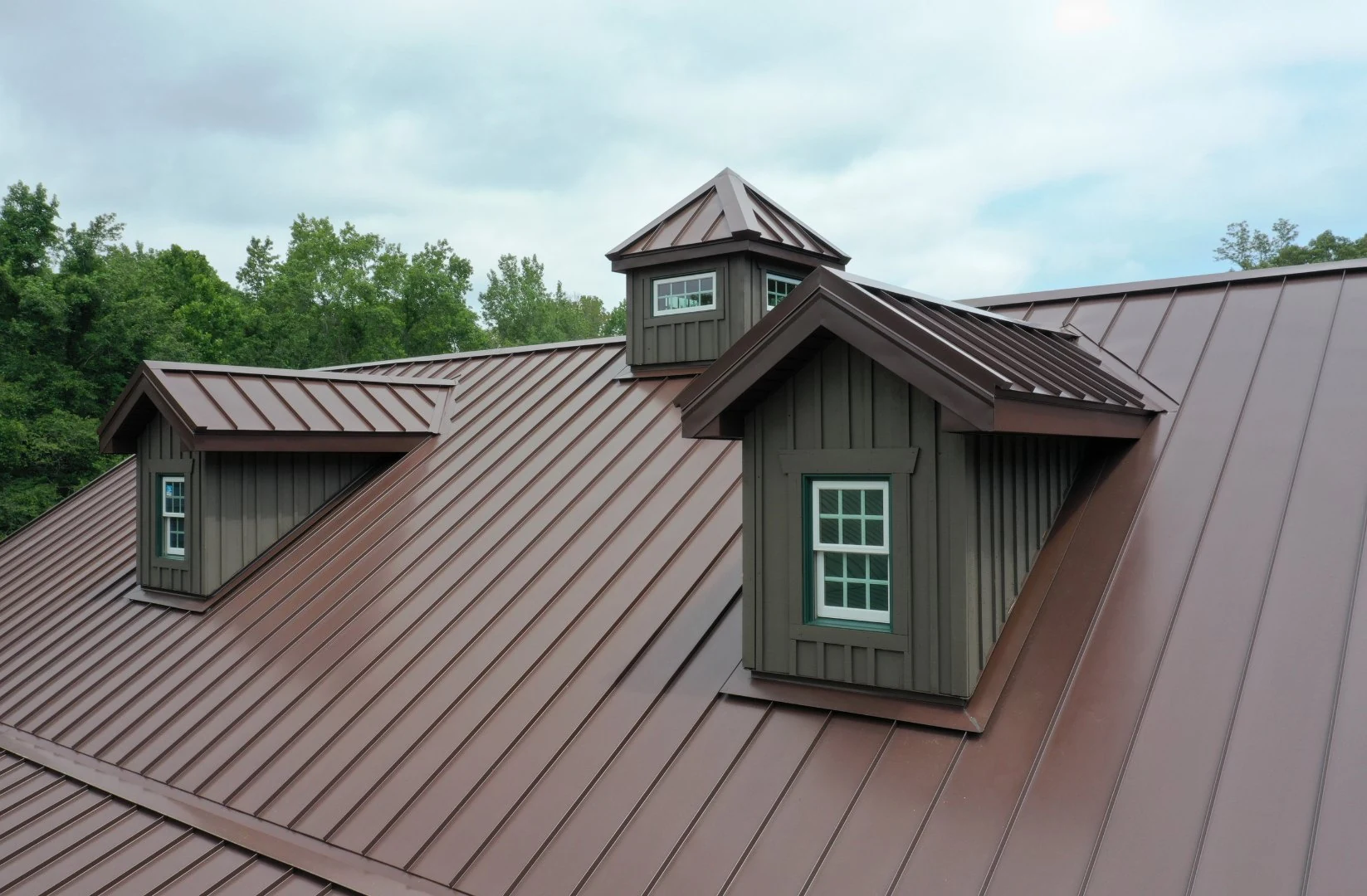
Project List
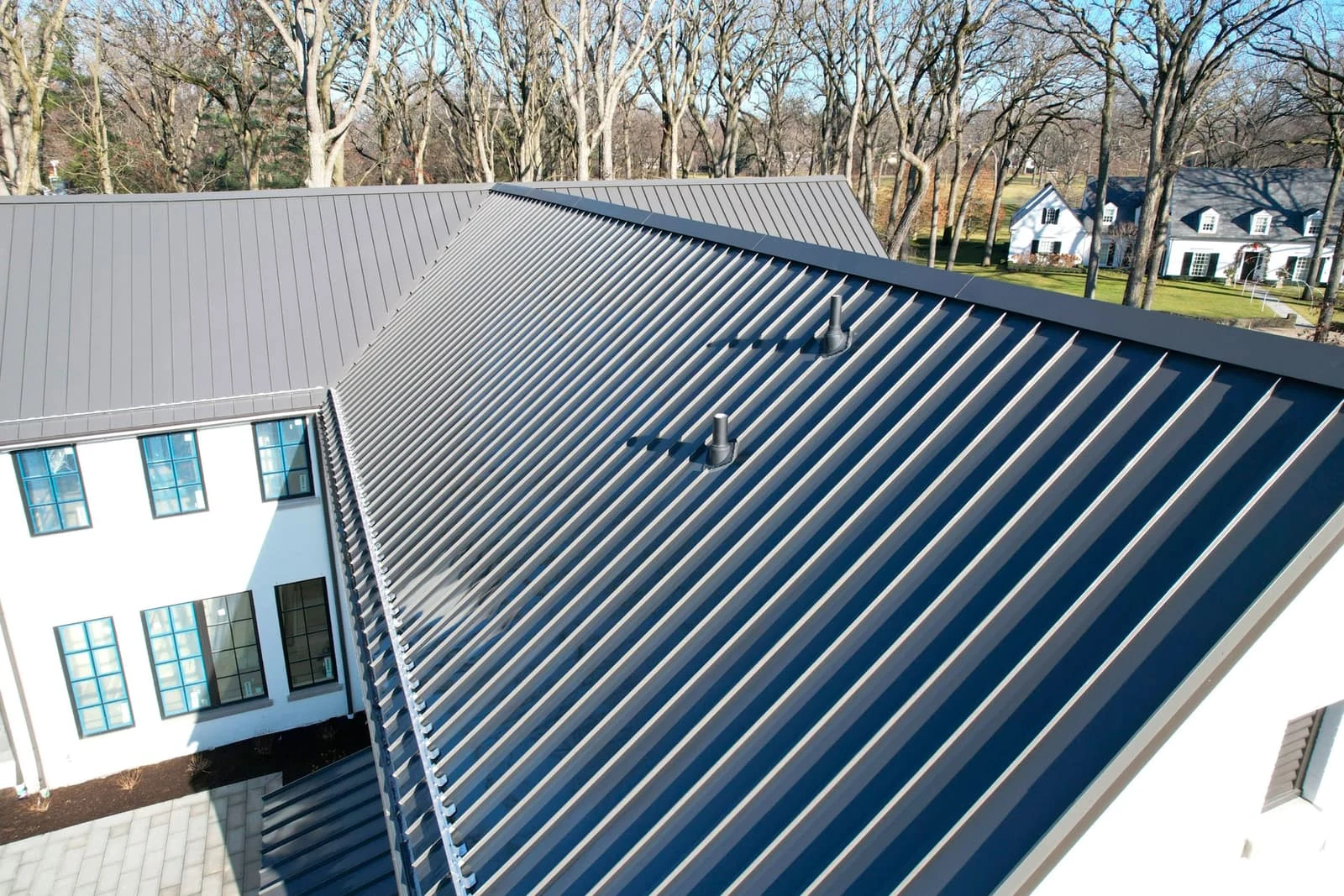
Commercial Roof Inspections & Reports in Ontario
Commercial roof inspections and condition reports in Ontario covering membrane, seams, flashings, drainage, penetrations, moisture indicators, photos, and next steps.
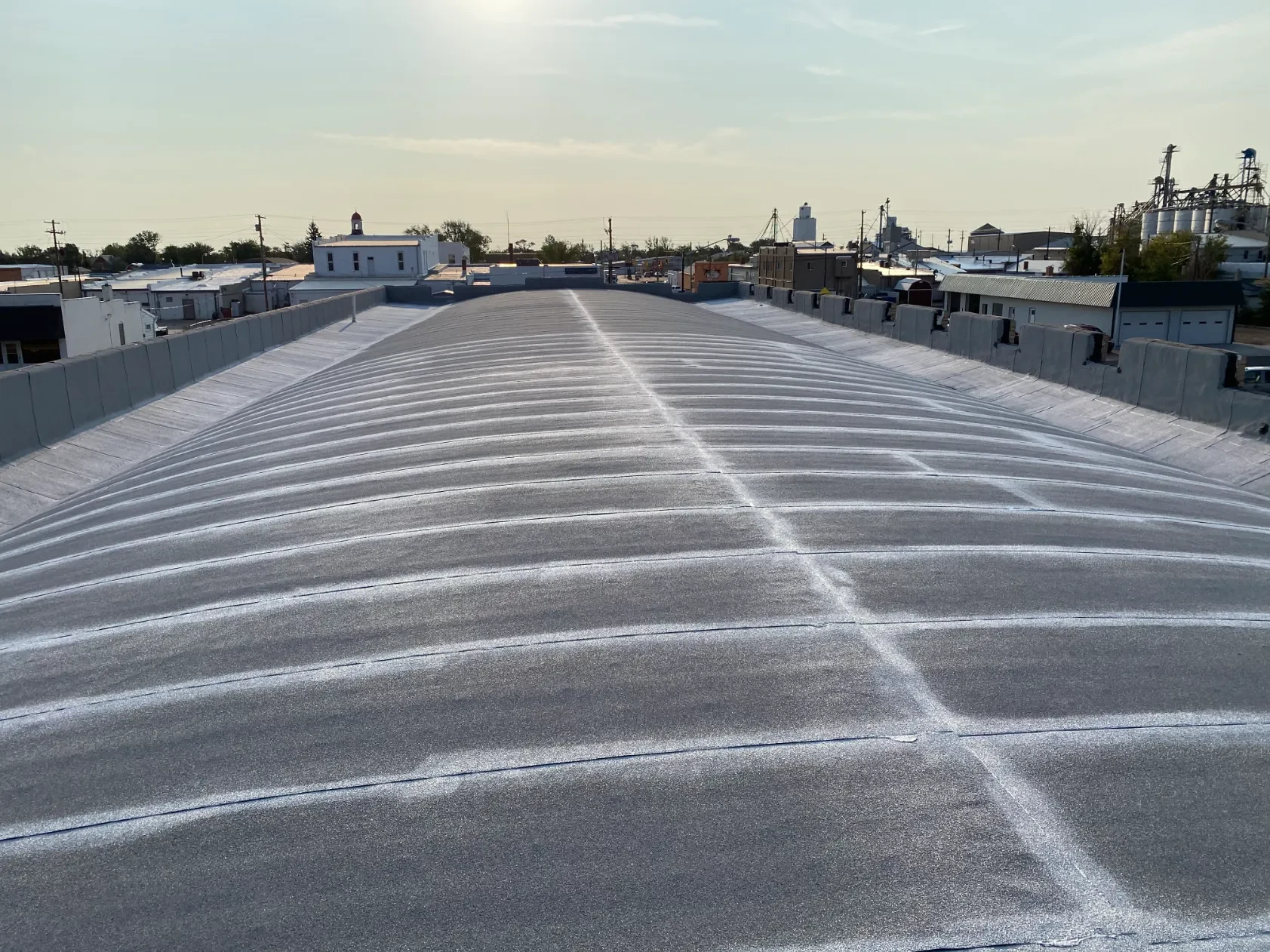
Commercial Roof Repair in Ontario
Commercial roof repair in Ontario with leak investigation, documented repair boundaries, emergency stabilization, and planned corrective work.
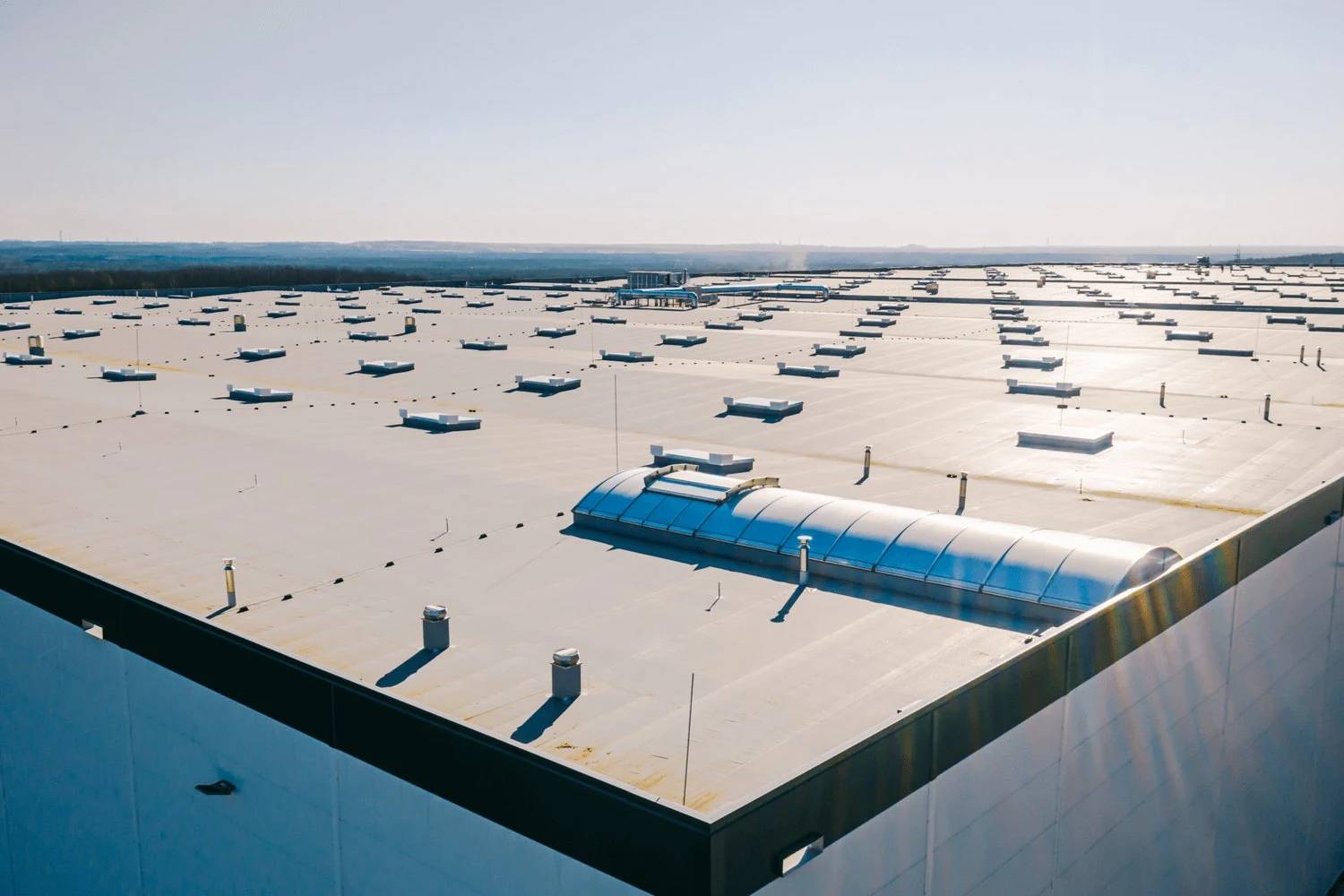
Commercial Roof Replacement in Ontario
Commercial roof replacement in Ontario with clear tear-off or recover scopes, system options, phasing, budgeting, and closeout documentation.
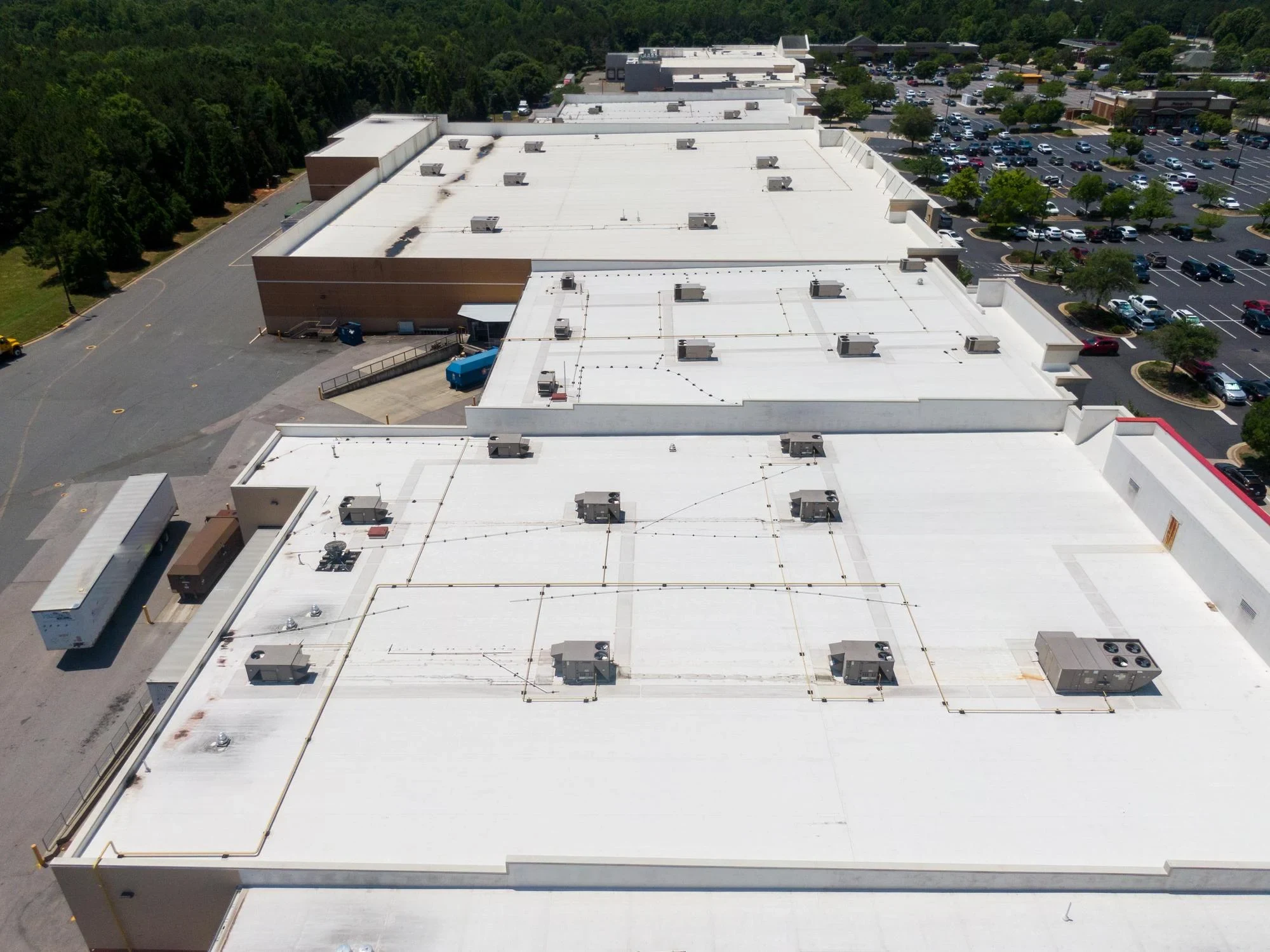
Commercial Reroofing in Ontario, CA
Commercial reroofing for Ontario, CA warehouses, retail, and airport hotels. Recover vs. replace math, Title 24 cool roof rules, and per-square-foot budgets.
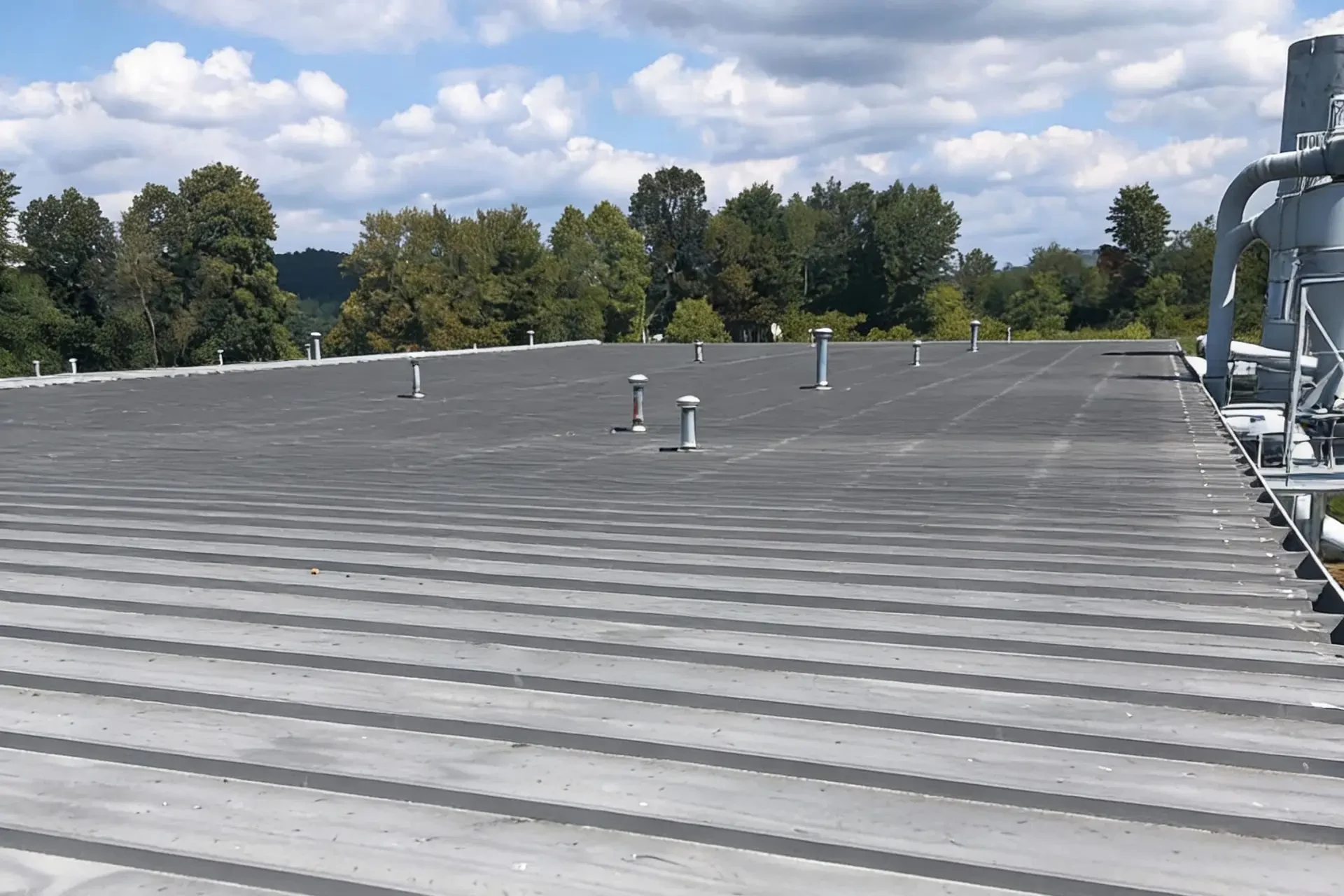
Commercial Roof Maintenance Programs in Ontario
Commercial roof maintenance programs in Ontario with scheduled inspections, drain and detail service, repair tracking, photos, and budget priorities.
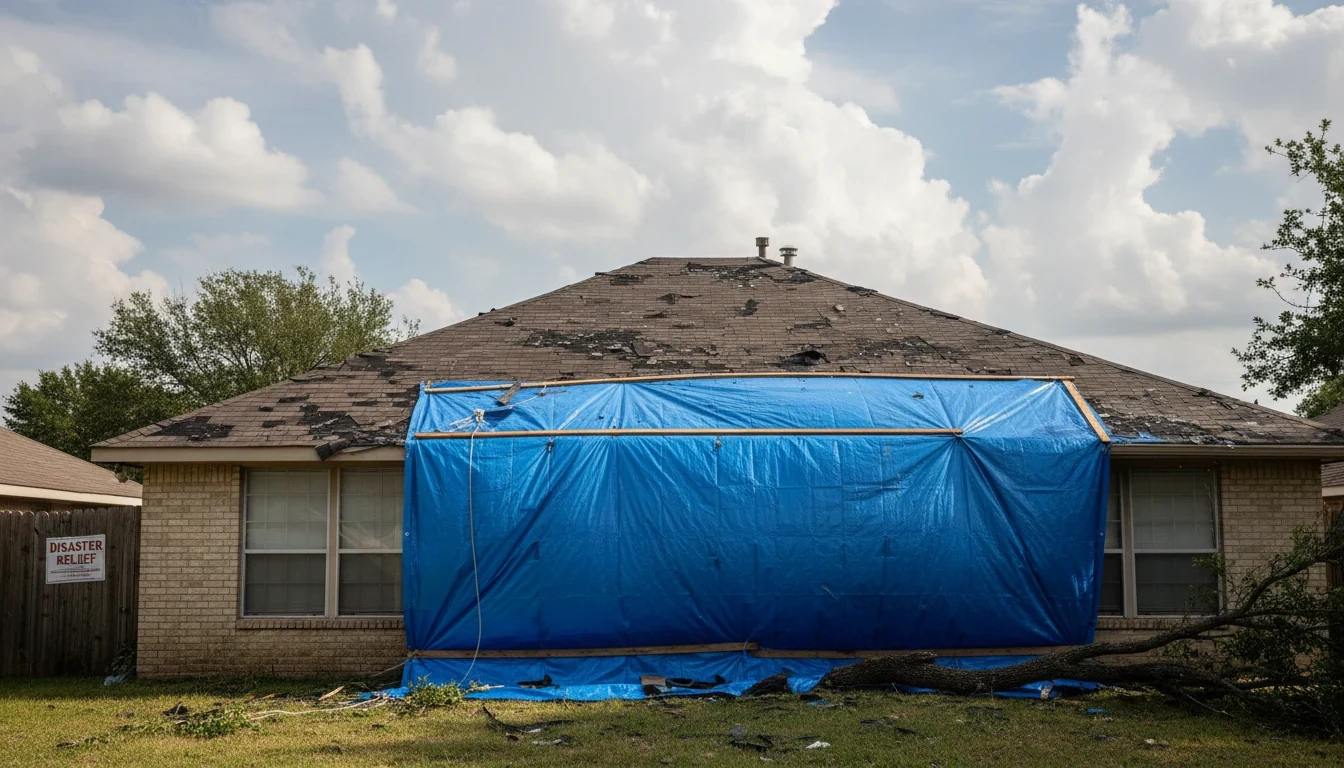
Emergency Tarp and Dry-In Service in Ontario, CA
Emergency roof tarp and dry-in service for Ontario, CA warehouses and distribution centers. Mobilization pricing and what stops active water fast.
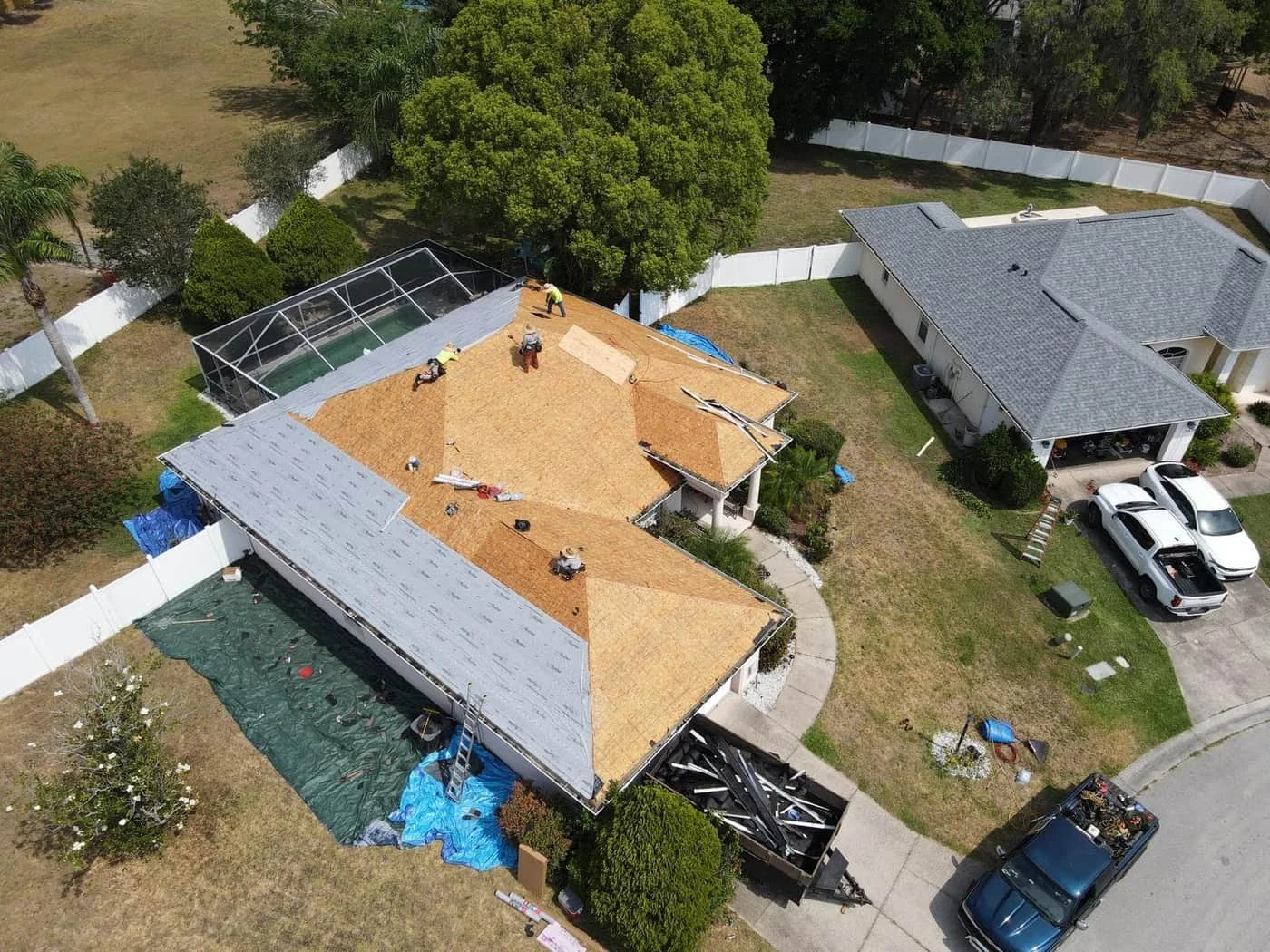
Storm Damage Roof Repair in Ontario, CA
Storm damage roof repair for Ontario, CA buildings hit by Santa Ana wind or winter rain events. Documented damage scopes and realistic repair budgets.
Roof Recover & Overlay in Ontario, CA
Roof recover and overlay for Ontario, CA warehouses. Moisture survey criteria, the two-covering code limit, and the real cost-per-square-foot math against tear-off.