
Standing Seam Metal Roofing in Ontario, CA
Standing Seam Metal: The Roof You Choose for the Building's Face
Standing seam metal roofing shows up on our bid list when a building's roofline is visible and matters to leasing or brand image, more than when it simply needs to shed water. Concealed fasteners, clean vertical seams, and a genuine multi-decade service life make it the premium tier in our metal category, and the cost per square foot reflects that. Here is where the premium is worth paying in this market.
Where We See Standing Seam Specified Locally
The airport-area hotel corridor, sit-down restaurant pads around Ontario Mills, and office and medical buildings along the Foothill corridor toward Upland are where standing seam earns its place. A hospitality operator leasing rooms partly on curb appeal has a real financial reason to spec a roof that photographs well and holds a crisp profile for twenty-five-plus years, versus an exposed-fastener panel that starts showing oil-canning and streaking within a decade.
We also see it on portions of larger campus-style office and event buildings near the convention center, where the roofline is part of the architectural statement rather than hidden behind a parapet the way most warehouse roofs are.
Concealed Clip Systems and Thermal Movement
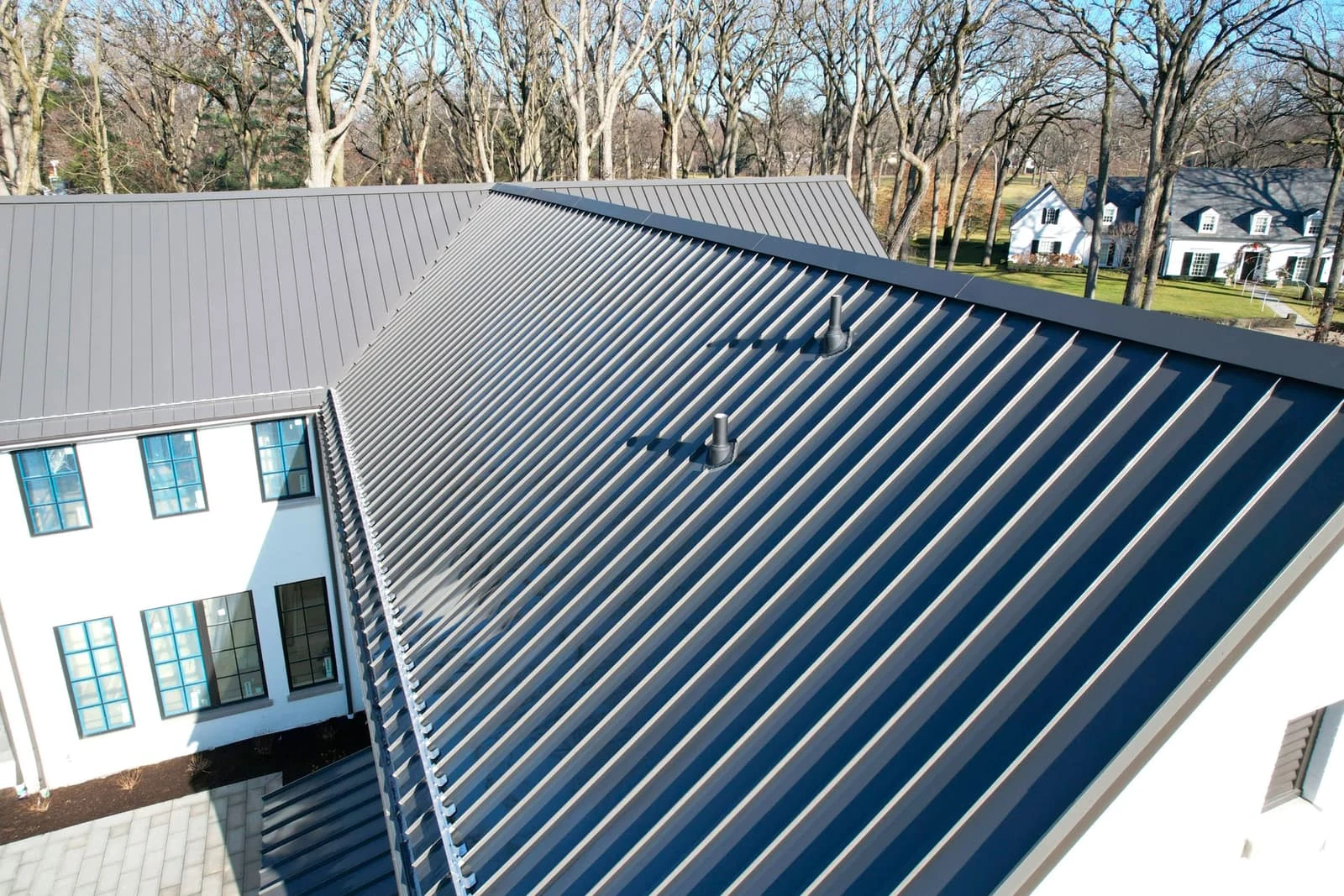
The defining feature of standing seam is the concealed clip: panels attach to the deck through hidden clips under the vertical seam rather than exposed screws through the panel face, and the seam itself is mechanically seamed or snapped together to lock out water without a single fastener penetration in the field of the panel. That detail is also what makes standing seam expensive to install correctly. Clip spacing, panel gauge, and seam type all have to match the specific wind uplift and thermal expansion requirements for the building's length and exposure.
Metal panels expand and contract significantly with temperature swings, and Ontario's daily and seasonal temperature range is real: roof surfaces routinely swing from cool morning readings to well over 150 degrees in direct summer sun, then back down overnight. Standing seam's floating clip design is engineered specifically to let the panel move without buckling or tearing at the fastener points, which is exactly the failure mode exposed-fastener panels are more prone to over time as screw holes elongate.
Panel Gauge and Finish: Where the Budget Actually Goes
Steel panels typically run in 22-gauge or 24-gauge for commercial work, with 22-gauge offering more denting and hail resistance at a material cost premium. Aluminum is the other common option, costing more per square foot than steel but eliminating rust risk entirely, which matters on buildings near enough to industrial dust and aggregate operations in Jurupa Valley and Mira Loma that airborne particulate can accelerate coating wear on lower-grade finishes.
Finish coating matters as much as gauge for long-term appearance. A PVDF (Kynal-type) finish holds color and chalk resistance far longer under sustained UV than a basic polyester coating, and on a building where the roof is part of the visual brand, we generally recommend paying the finish premium rather than watching the color fade within a handful of years.
What a Standing Seam Scope Includes
- Panel gauge and material selected for wind uplift, hail exposure, and budget
- Concealed clip spacing engineered to the building's specific thermal movement and wind load
- PVDF or comparable high-performance finish coating for long-term color retention
- Fully engineered eave, ridge, and hip flashing details fabricated to match the panel profile
- Underlayment rated for the roof's slope and exposure, including ice-and-water protection at valleys where applicable
- Fastener-free field with all attachment concealed beneath the seam
Cost Per Square Foot Against the Alternative
Standing seam runs meaningfully higher in installed cost per square foot than exposed-fastener R-panel, driven mostly by the clip system, tighter fabrication tolerances, and slower installation rate per crew per day. See our metal R-panel roofing page for the lower-cost alternative and where it's the more sensible spec. On a straightforward warehouse shell with no curb-appeal requirement, standing seam's premium is difficult to justify. On a building where appearance carries real leasing or brand value, the lifecycle cost per square foot, factoring in the decades-longer service life and lack of fastener maintenance, often comes out ahead of repeated R-panel fastener re-torque cycles.
Standing Seam Questions From Ontario Building Owners
How long does a standing seam roof actually last?
Thirty to fifty years is a realistic range for a properly specified system with a quality finish coating, well beyond most single-ply membrane service lives, though the upfront cost per square foot is higher.
Does standing seam need maintenance like R-panel does?
Far less. Without exposed fasteners to back out or re-torque, maintenance is largely limited to sealant inspection at penetrations and periodic gutter and drainage checks.
Can standing seam be installed over an existing roof?
Sometimes, over a structurally sound low-slope deck with the right underlayment and furring detail, though we evaluate that case by case rather than assume it fits every retrofit.
Is steel or aluminum the better choice for my building?
Steel costs less and offers strong denting resistance at a heavier weight. Aluminum costs more but eliminates rust risk, which matters more near dust-heavy industrial operations than on a clean office campus.
Why does the finish coating matter so much?
A premium PVDF finish holds its color and gloss for decades under Ontario's UV load, while a basic polyester finish can visibly chalk and fade within several years, undermining the exact curb-appeal reason most owners choose standing seam in the first place.
Related
Ready to review the roof scope?
Request a Roof Assessment
Project List
Commercial Roof Inspections & Reports in Ontario
Commercial roof inspections and condition reports in Ontario covering membrane, seams, flashings, drainage, penetrations, moisture indicators, photos, and next steps.
Commercial Roof Repair in Ontario
Commercial roof repair in Ontario with leak investigation, documented repair boundaries, emergency stabilization, and planned corrective work.
Commercial Roof Replacement in Ontario
Commercial roof replacement in Ontario with clear tear-off or recover scopes, system options, phasing, budgeting, and closeout documentation.
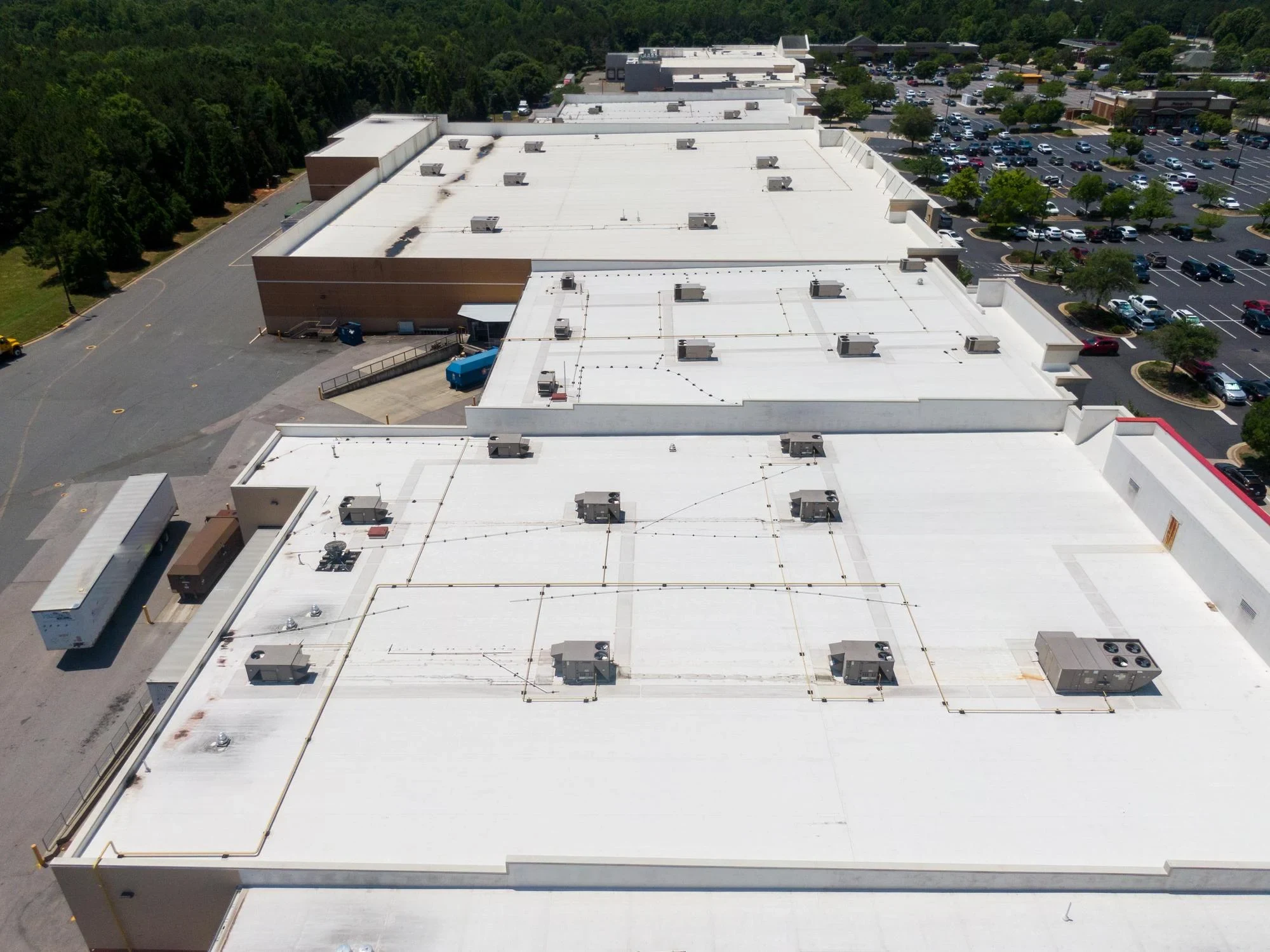
Commercial Reroofing in Ontario, CA
Commercial reroofing for Ontario, CA warehouses, retail, and airport hotels. Recover vs. replace math, Title 24 cool roof rules, and per-square-foot budgets.
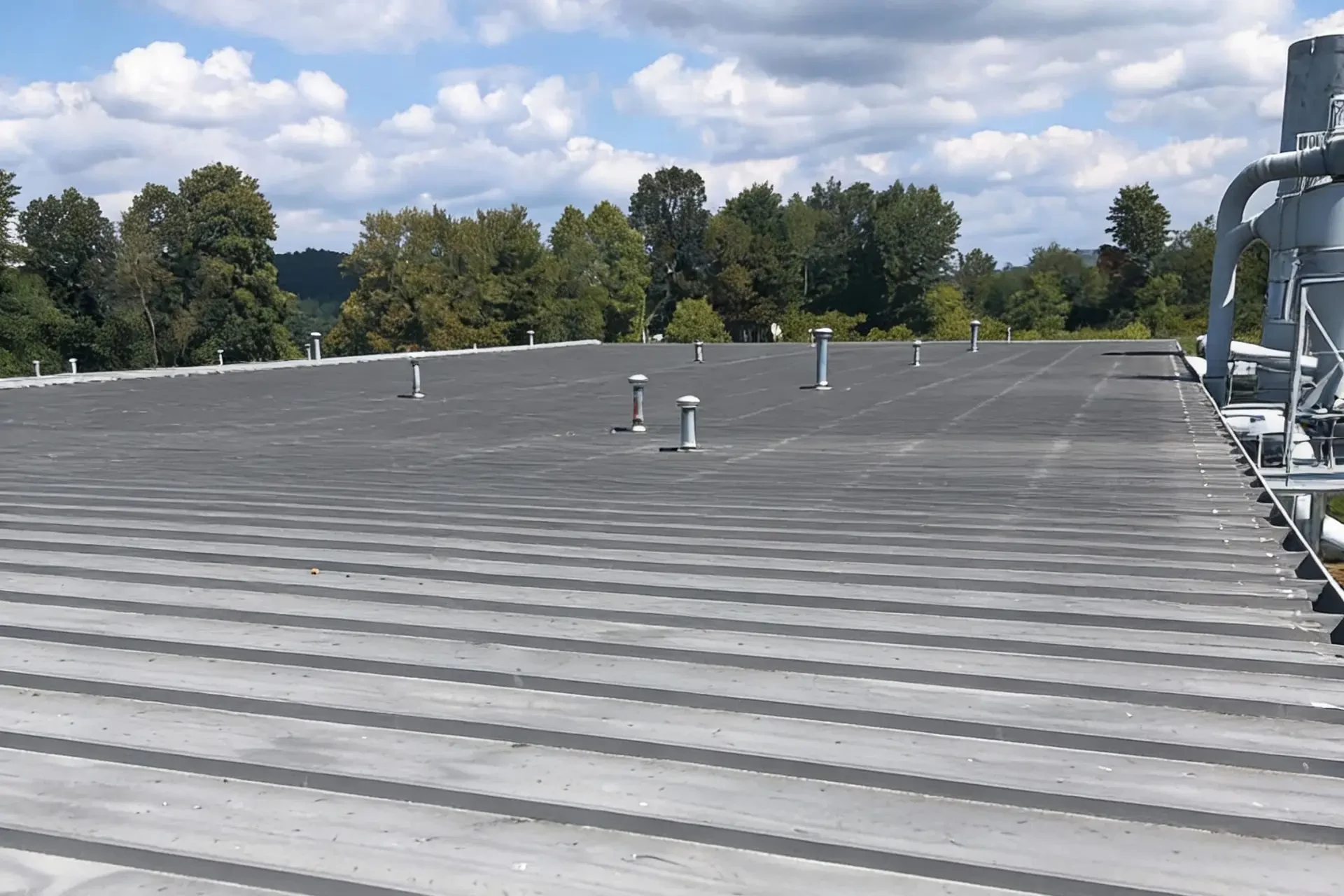
Commercial Roof Maintenance Programs in Ontario
Commercial roof maintenance programs in Ontario with scheduled inspections, drain and detail service, repair tracking, photos, and budget priorities.
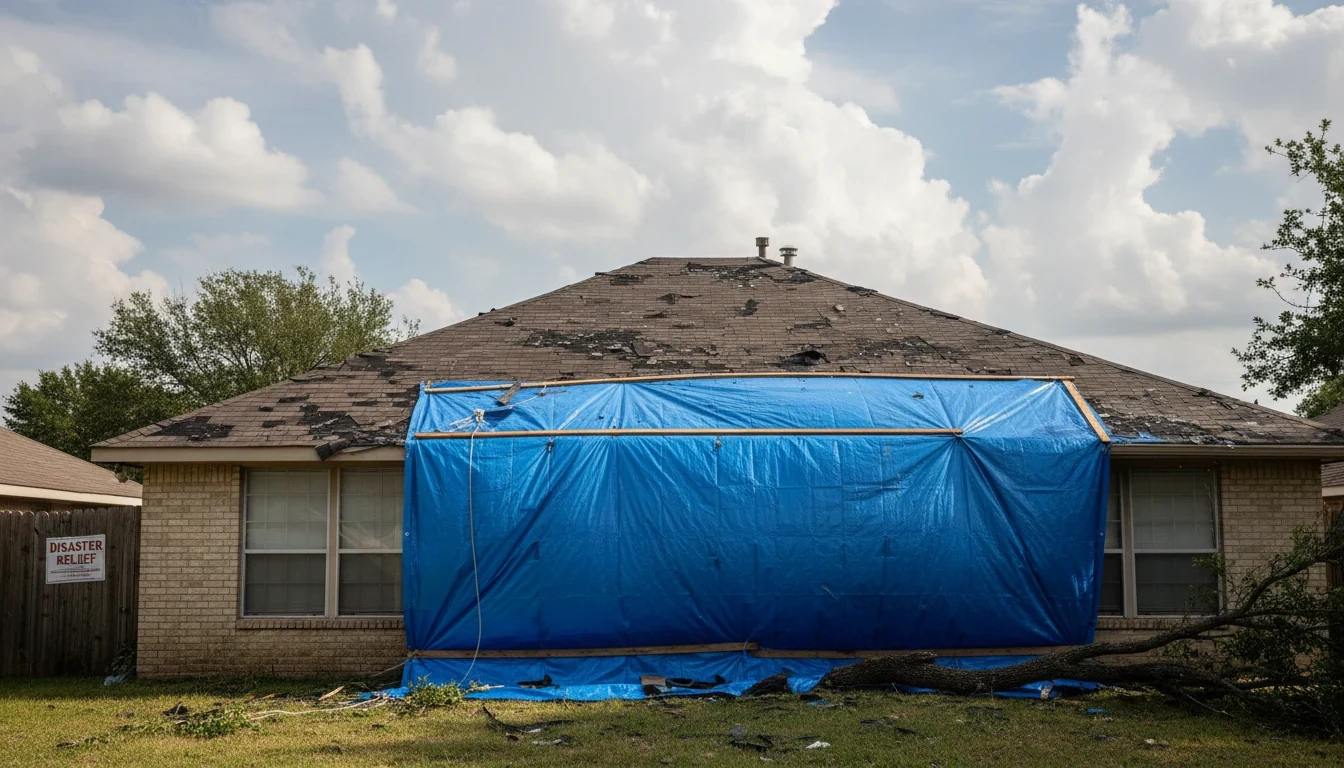
Emergency Tarp and Dry-In Service in Ontario, CA
Emergency roof tarp and dry-in service for Ontario, CA warehouses and distribution centers. Mobilization pricing and what stops active water fast.
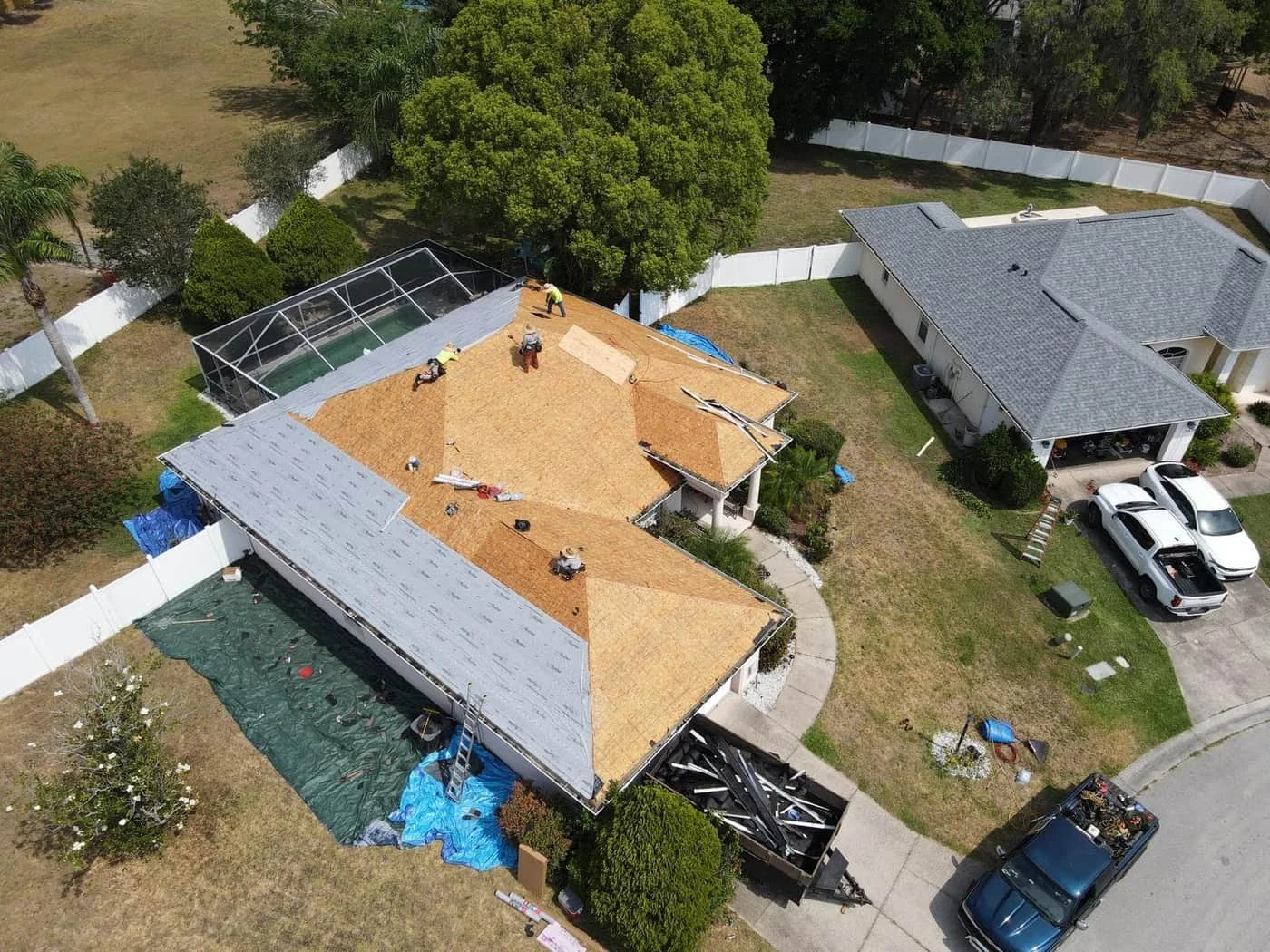
Storm Damage Roof Repair in Ontario, CA
Storm damage roof repair for Ontario, CA buildings hit by Santa Ana wind or winter rain events. Documented damage scopes and realistic repair budgets.
Roof Recover & Overlay in Ontario, CA
Roof recover and overlay for Ontario, CA warehouses. Moisture survey criteria, the two-covering code limit, and the real cost-per-square-foot math against tear-off.