
Silicone Roof Coatings in Ontario, CA
Silicone Restoration: Buying Roof Life Without a Tear-Off
Not every aging roof in Ontario needs to come off. A membrane that has held up structurally but lost surface performance , chalking, minor seam wear, reflectance loss , is often a better candidate for a silicone coating than a full replacement. The savings are real: no tear-off labor, no disposal fees, no landfill tonnage, and in most cases no disruption to tenants operating underneath.
Why Silicone Over Acrylic for This Climate
Acrylic coatings are cheaper and work fine in milder, drier climates, but they lose ground fast wherever water sits on the roof. Silicone's chemistry resists hydrolysis, meaning it keeps its integrity in standing water rather than softening or breaking down over repeated ponding cycles. Ontario's low-slope commercial roofs are flat by design and drains clog with dust and debris more than owners expect between our long dry stretches, so ponding after a storm event is common even on well-built roofs. Silicone is the coating we spec whenever a roof has any documented ponding history, full stop.
Acrylic still has a place on steeper-sloped roofs with clean, reliable drainage and a tighter maintenance budget, but we do not recommend it on any roof where water has been observed standing for more than 48 hours after rain.
What a Roof Needs to Qualify for Coating Instead of Replacement
The coating only restores a membrane that is still structurally sound. Before quoting a silicone job we run a moisture survey , usually infrared scan plus core cuts , to confirm the insulation underneath is dry. A membrane that looks tired on the surface but has wet insulation below it is not a coating candidate; coating over saturated insulation locks moisture in and accelerates deck deterioration exactly where you cannot see it happening. We also probe existing seams and flashings, since a coating restores the field membrane's surface but does not fix a failed seam or a deteriorated flashing detail underneath it.
Roofs that pass both checks , dry insulation, sound seams , are strong candidates regardless of the base membrane type. We coat aging TPO, EPDM, modified bitumen, and even metal roofs with the same silicone system, adjusting only the primer and prep steps for the substrate.
- Coating thickness: typically applied at 20 to 30 dry mils depending on the manufacturer system and warranty term
- Substrate prep: pressure washing, seam and flashing repair, and primer where the base membrane requires it
- Ponding water performance: silicone resists hydrolysis and holds up under standing water far better than acrylic
- Compatible base membranes: TPO, EPDM, modified bitumen, built-up roofing, and metal panel roofs
- Typical warranty: 10 to 20 years depending on coating thickness and base roof condition
- Not a candidate: roofs with wet insulation, structural deck damage, or extensive seam failure below the coating line
Where This Makes the Most Financial Sense Locally
We see the strongest case for silicone restoration on aging strip retail centers around Montclair, West Covina, and Covina, where the roof is still functioning but the owner is weighing a costly full reroof against a shorter-term capital plan. Coating buys years at a fraction of tear-off-and-replace cost, and because the work happens over the existing membrane, tenants below generally keep operating through the project rather than dealing with a full roof opening. It is also common on big-box retail buildings where scheduling a full tear-off around store hours and inventory protection is its own logistics problem that a coating largely avoids.
What Silicone Doesn't Fix
A coating restores surface performance , reflectance, weathering resistance, minor pinhole and crazing repair , but it does not correct structural deck problems, add insulation value in any meaningful way, or fix a drainage design that was inadequate to begin with. If a roof is ponding because the drains are undersized or the slope was never cut correctly, coating it buys time but does not solve the underlying problem, and we say so plainly in the proposal rather than let a coating job stand in for a drainage fix that will eventually be needed regardless.
Common Questions on Silicone Coatings
How much life does a silicone coating actually add to an old roof?
It depends heavily on the base membrane's condition going in. A sound TPO or EPDM roof with dry insulation and good seams can often gain 10 to 15 years of extended service from a properly specified coating system.
Can you coat a roof with some existing leaks?
Active leaks need to be found and repaired first, and any wet insulation in that area typically needs to be replaced before coating, not sealed over. We do not coat a roof with unresolved active leaks.
Does silicone coating meet Title 24 cool-roof requirements?
Yes, white silicone coatings are formulated to clear the aged solar reflectance threshold for low-slope commercial roofs, which is one of the reasons restoration is a compliant option for older non-reflective membranes.
Will tenants need to vacate during a coating project?
Generally no. Since the work happens over the existing membrane rather than opening the roof deck, most coating projects proceed with the building fully occupied, though we do coordinate around any rooftop equipment access tenants need during the application window.
How do you know if our roof qualifies for coating instead of replacement?
We run an infrared moisture scan and core cuts to confirm dry insulation, then probe seams and flashings for soundness. If both check out, coating is on the table. If the scan shows wet insulation or the seams have failed broadly, we recommend replacement instead and explain exactly why.
Related
Ready to review the roof scope?
Request a Roof AssessmentProject List
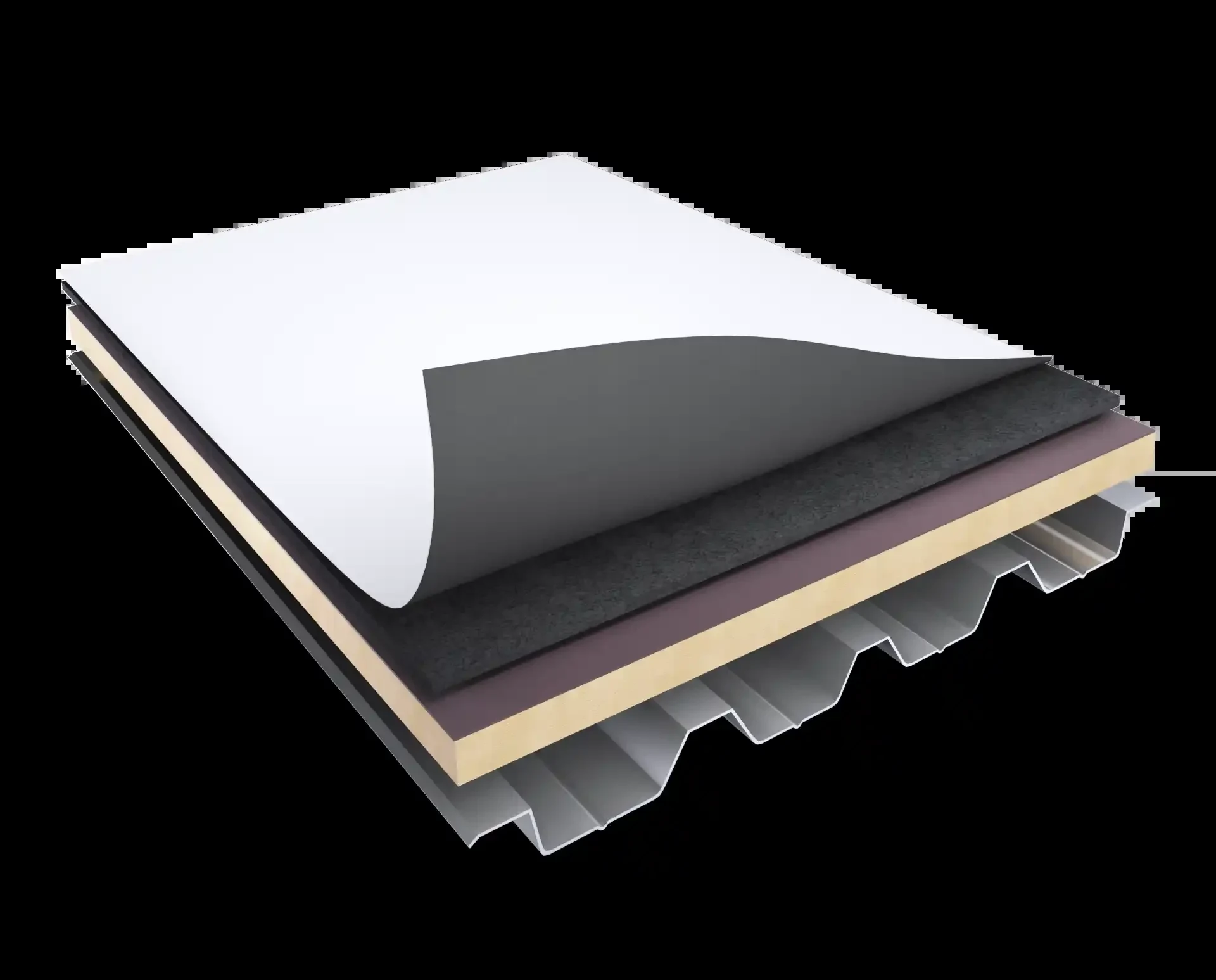
60-Mil TPO Roofing in Ontario, CA
60-mil TPO spec details for Ontario, CA warehouses and retail: membrane construction, attachment options, Title 24 compliance, and 20-year lifecycle math.
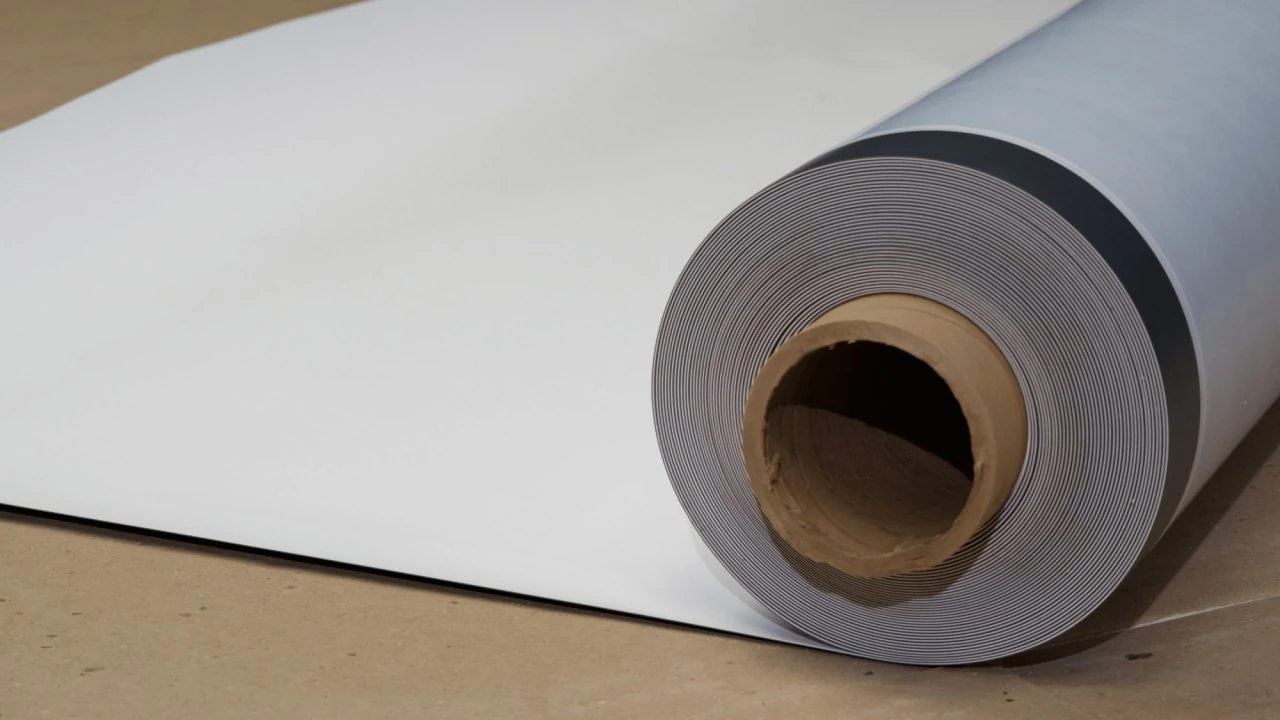
80-Mil TPO Roofing in Ontario, CA
80-mil TPO for Ontario, CA logistics and solar-ready roofs: thickness-over-scrim numbers, 25 to 30-year warranties, and cost-per-year comparisons vs 60-mil.
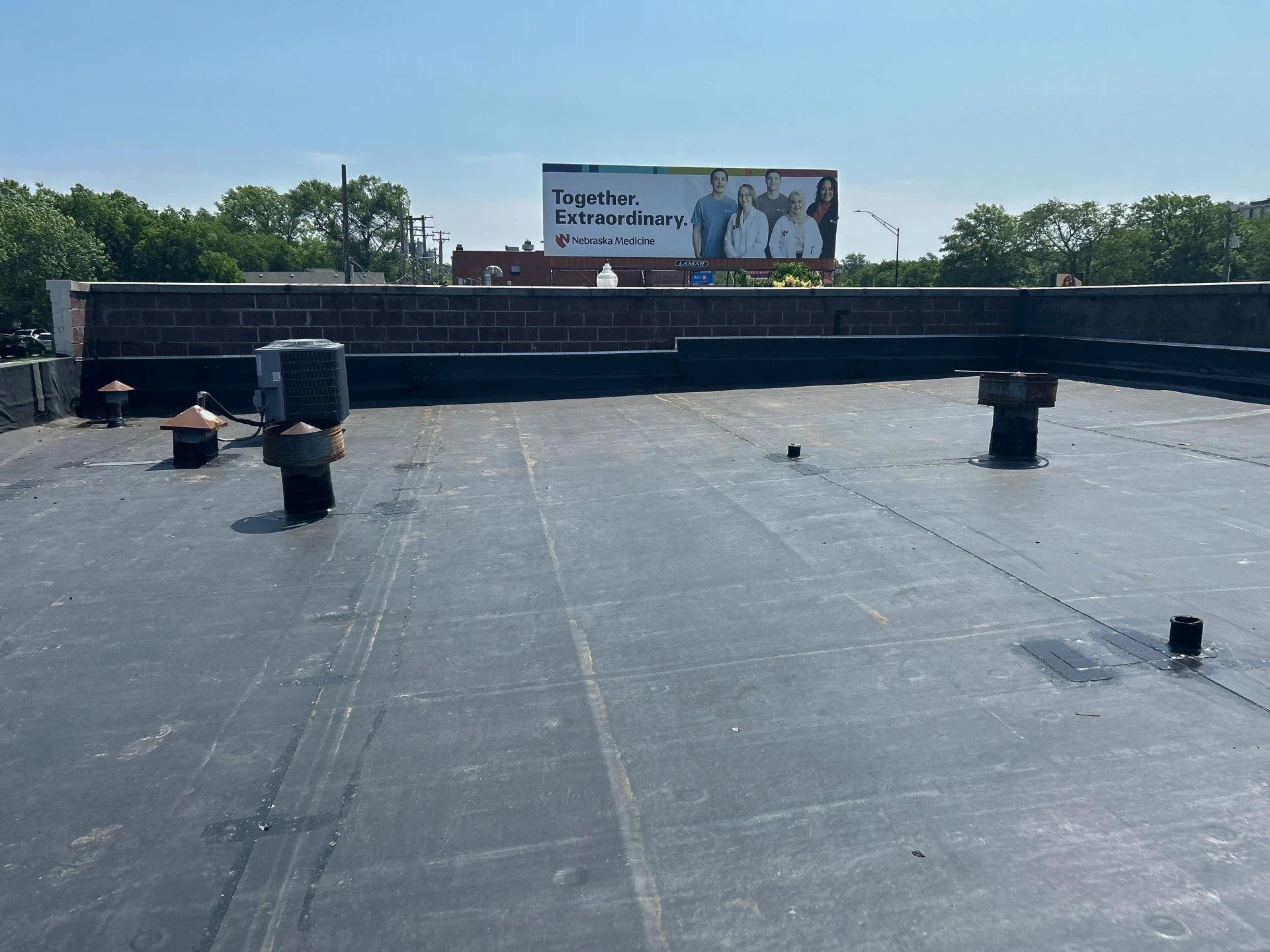
Black EPDM Roofing in Ontario, CA
Black EPDM specs for Ontario, CA: sheet thicknesses, ballast vs. adhered attachment, Title 24 exceptions, and where rubber roofing still beats TPO on cost.
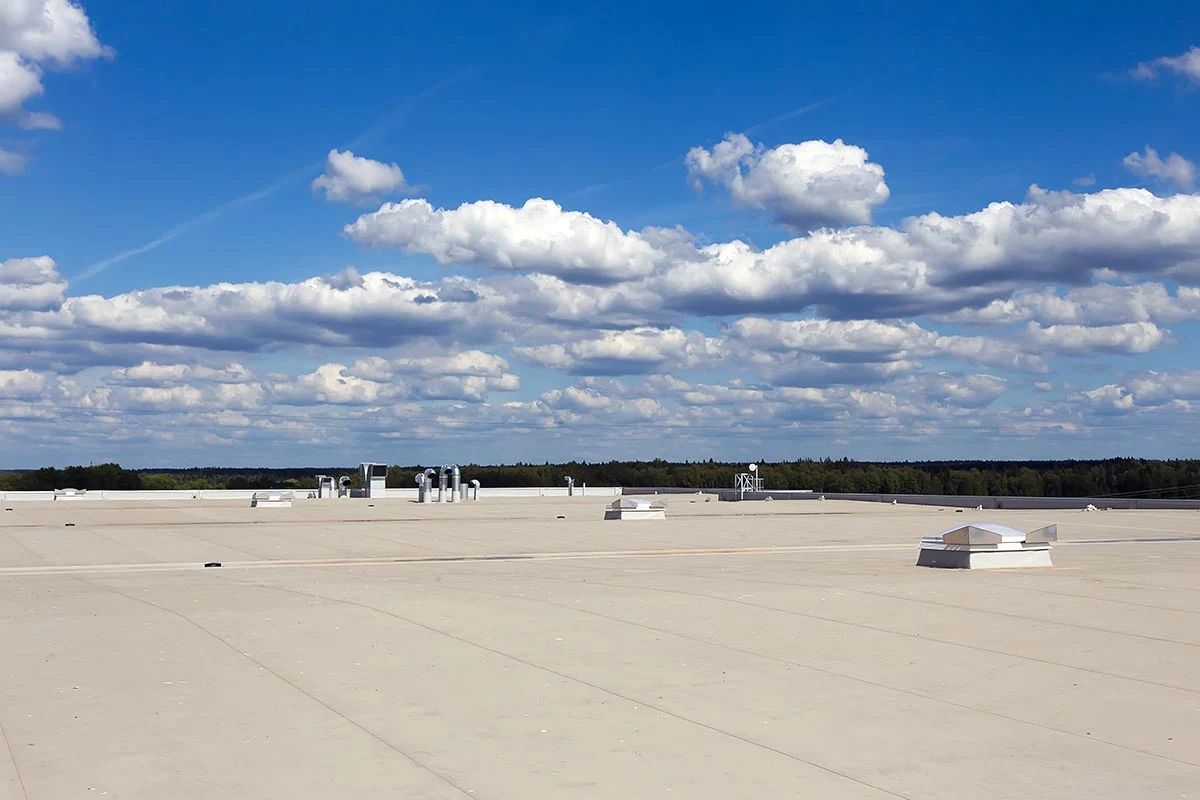
White EPDM Roofing in Ontario, CA
White EPDM for Ontario, CA commercial roofs: how the white surface is built, Title 24 compliance, adhesive-seamed detailing, and long-term reflectivity numbers.
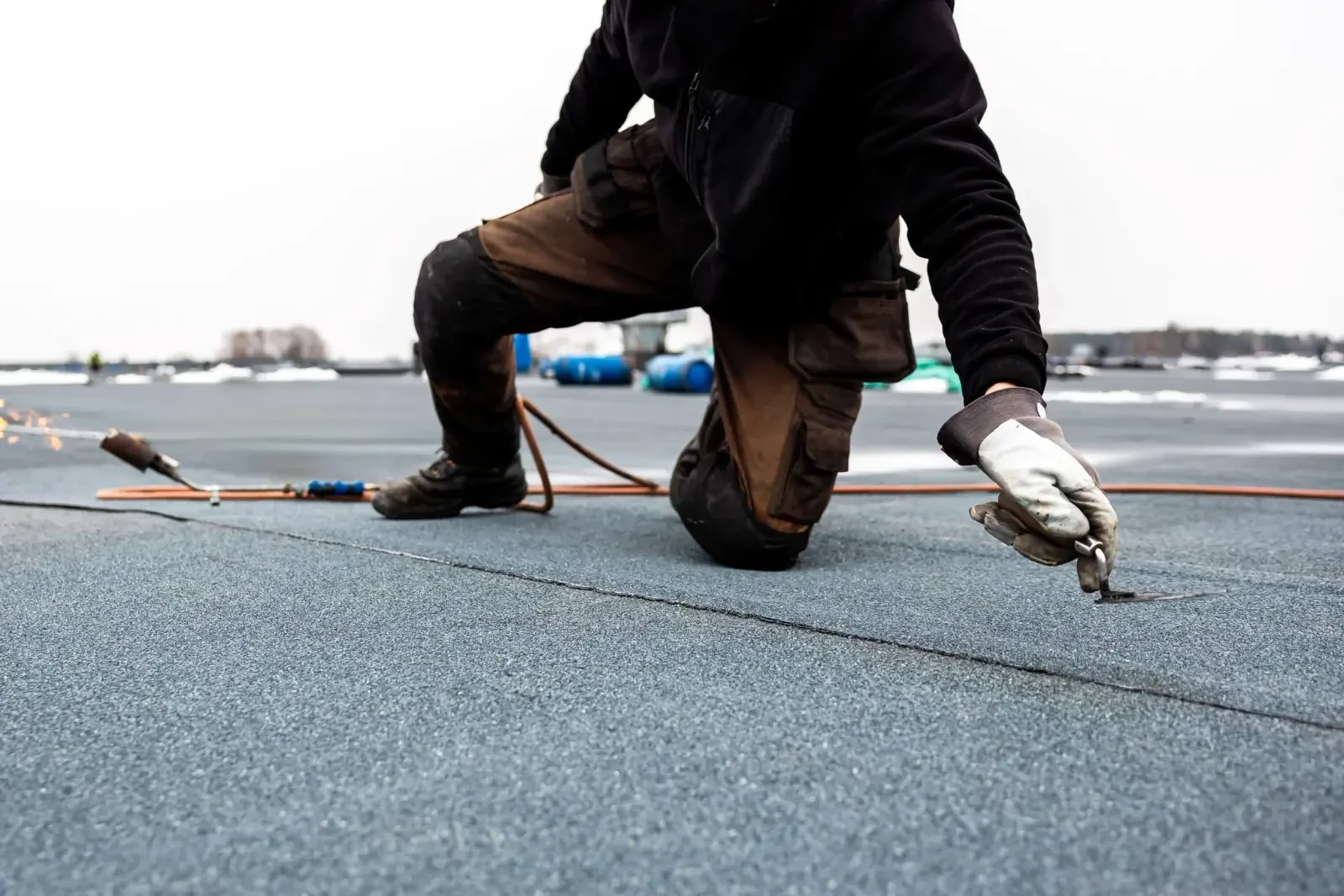
SBS Modified Bitumen Roofing in Ontario, CA
SBS modified bitumen for Ontario, CA's older commercial buildings: application methods, multi-ply redundancy, and where it still beats single-ply membrane.
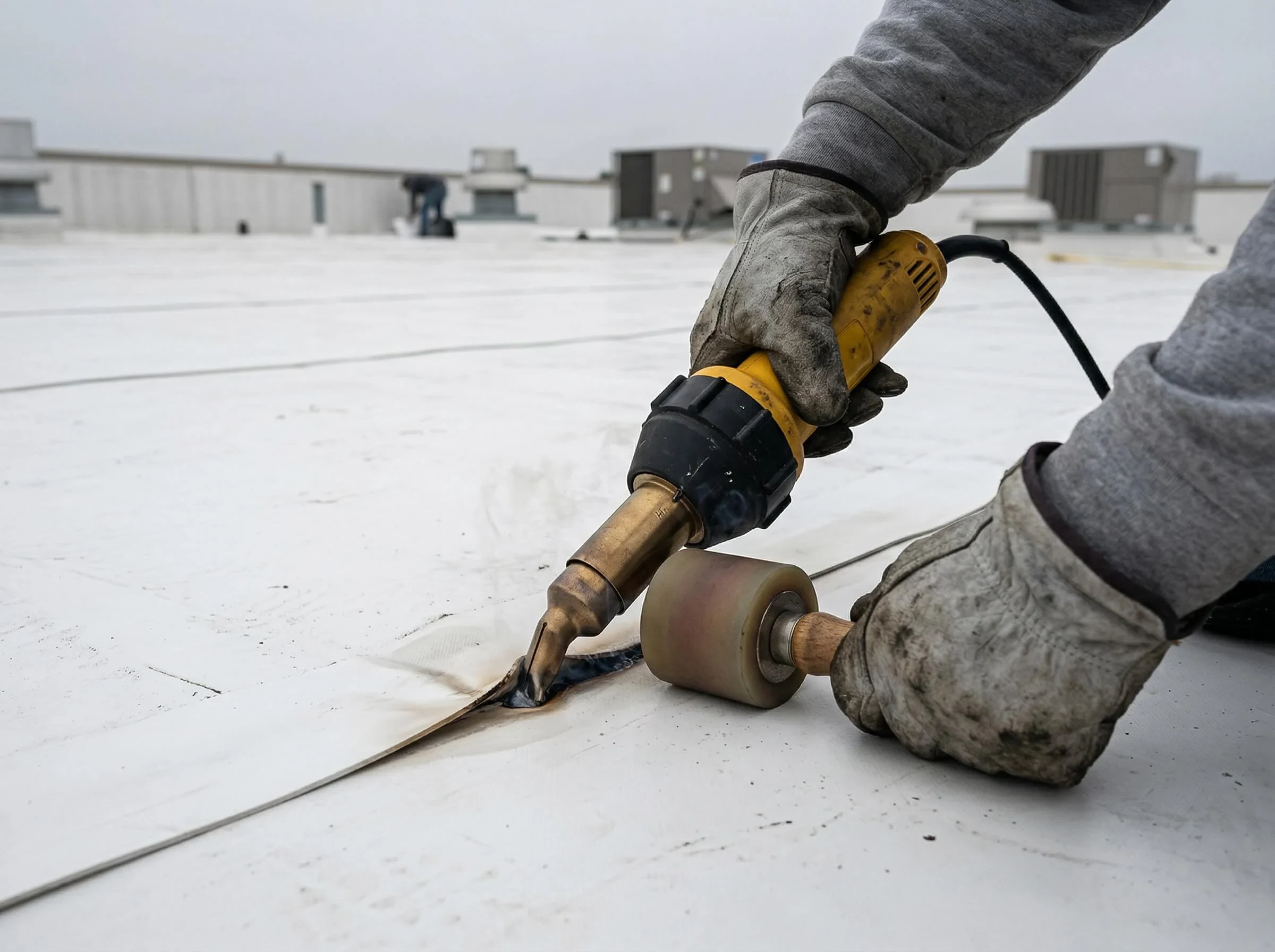
PVC Roofing Systems in Ontario, CA
PVC membrane specs for Ontario, CA restaurants, dealerships, and manufacturing roofs: grease and chemical resistance, weld parameters, and warranty terms.
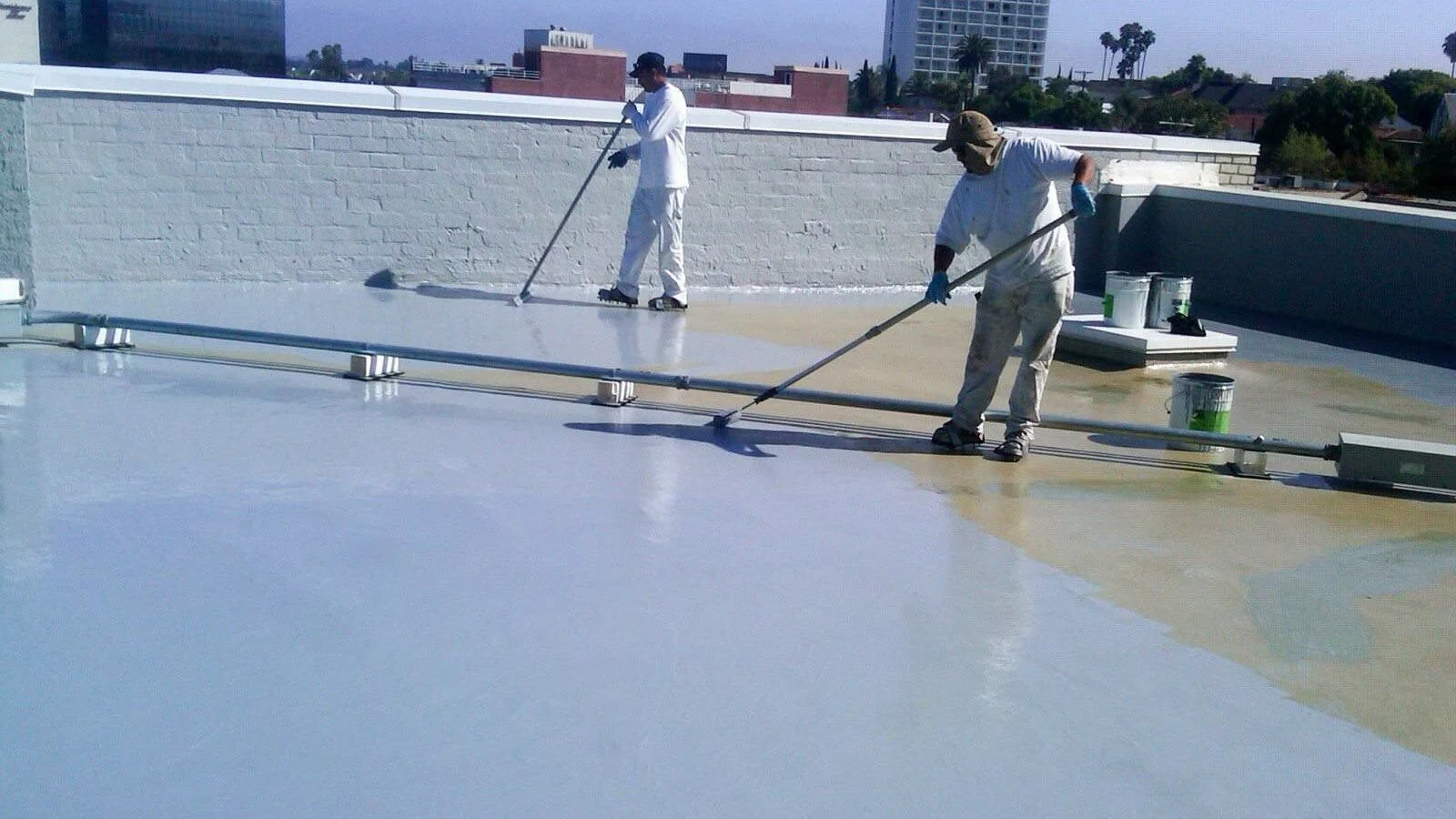
Silicone Roof Coatings in Ontario, CA
Silicone roof coating restoration for Ontario, CA commercial buildings: substrate prep, ponding-water performance, and the math against full tear-off.
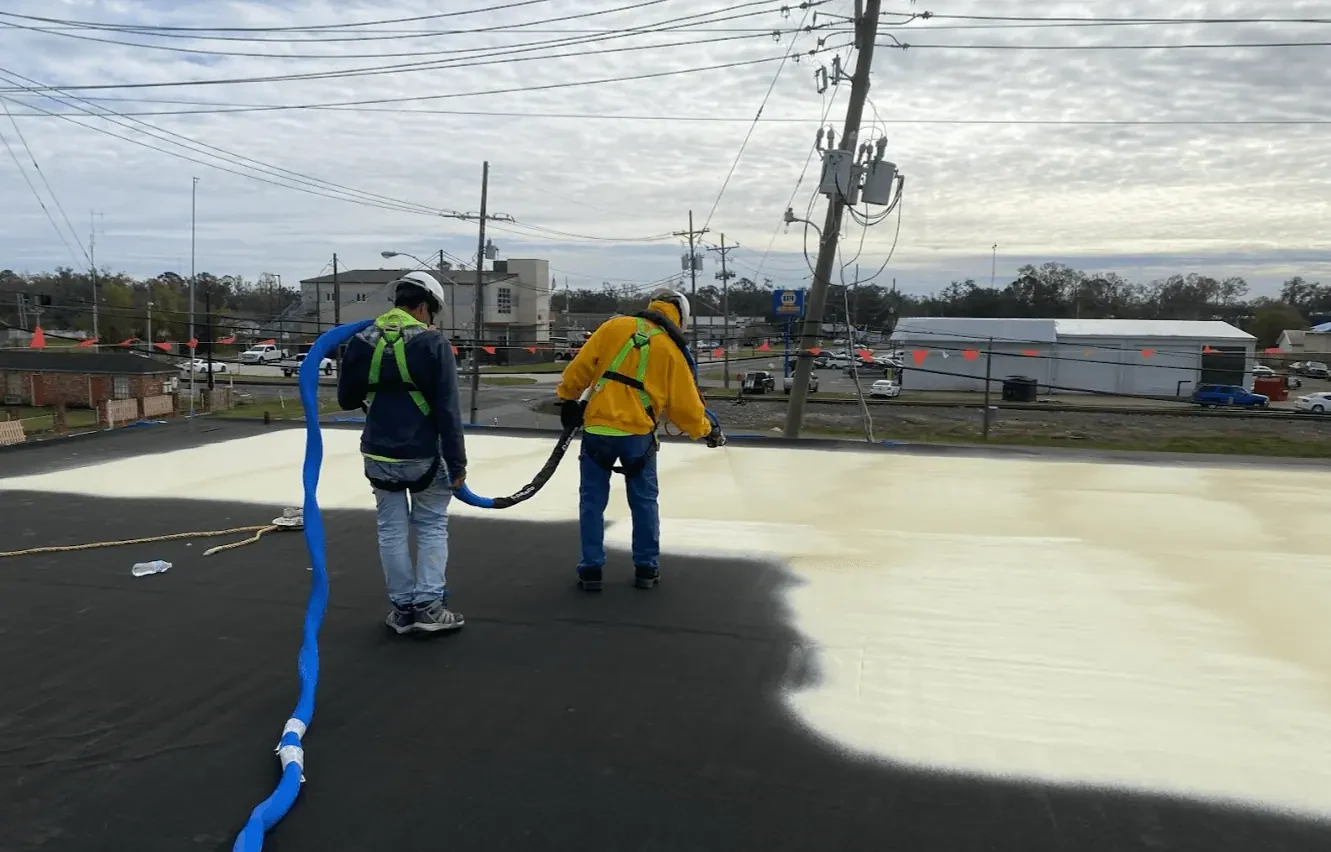
Spray Polyurethane Foam Roofing in Ontario, CA
SPF roofing for Ontario, CA buildings with dense rooftop equipment or ponding issues: application process, R-value math, and recoat maintenance cycles.