
Spray Polyurethane Foam Roofing in Ontario, CA
Spray Foam Roofing: Insulation, Slope Correction, and Membrane in One Pass
Spray polyurethane foam solves a problem no other roof system on this list solves directly: it can correct bad drainage while it insulates. On a building with a rooftop equipment field so dense that a membrane sheet would need dozens of cut-in details, or a low-slope roof that has ponded for years because the original slope was never cut right, SPF is often the more practical answer than tearing everything off and starting over.
How the System Actually Goes Down
Two liquid components , an isocyanate and a polyol resin , meet at the spray gun tip and react on contact, expanding into a closed-cell foam that cures within seconds of hitting the roof surface. Crews build thickness in passes, and because the foam is applied as a liquid before it expands, it self-flashes around pipe penetrations, curbs, and irregular equipment bases in a way that a cut, fitted membrane sheet cannot match for speed. The foam itself is never left exposed; it always gets a protective topcoat, typically an elastomeric acrylic or silicone coating with a granule broadcast for foot traffic protection, applied once the foam has fully cured.
Thickness is not fixed the way membrane gauge is. Crews can vary foam depth across the same roof to build in positive slope toward drains, which is the feature that makes SPF the go-to fix for a roof with a chronic ponding problem rather than a flat replacement of what was there before.
Where This Fits Ontario's Equipment-Heavy Roofs
The clearest local fit is large-format retail and entertainment venues with dense rooftop mechanical fields , the kind of roof under a big anchor store at Ontario Mills, or a large event venue roof near the Toyota Arena and convention center, where dozens of HVAC units, exhaust fans, and duct penetrations sit close together. Detailing that density in a welded single-ply membrane means a high count of pipe boots, curb flashings, and cut-ins, each one a potential leak point. SPF flows around and under existing curbs and equipment bases in a way that reduces the number of discrete flashing details compared to a membrane retrofit.
It is also the system we bring up first on any roof with a documented ponding history where the owner does not want to reframe the deck or add tapered insulation board as a separate line item. Building slope into the foam application itself is frequently the lower-cost path to solving standing water compared to a full structural correction.
- Application: two-component liquid foam, sprayed and cured in place, no seams in the field
- Slope correction: foam thickness varies across the roof to build drainage where none existed
- R-value: high insulating value per inch compared to board insulation, adding thermal performance and roof structure in one material
- Topcoat: elastomeric acrylic or silicone coating with granule surfacing, required over all exposed foam
- Maintenance cycle: topcoat needs periodic recoat on a schedule tied to coating type and UV exposure, independent of the foam's own service life
- Best-fit roofs: dense rooftop equipment fields, chronic ponding, irregular decking, large-format retail and venue roofs
The Recoat Cycle Is Not Optional
Foam itself is durable once cured, but it degrades quickly if UV reaches it directly, which is exactly why the topcoat exists and why maintaining that coating is not a cosmetic afterthought. We schedule inspection and recoat intervals into the maintenance plan on every SPF roof, checking for coating wear, hail or foot-traffic damage exposing bare foam, and any areas where ponding has developed since installation. A neglected topcoat is the single most common reason an otherwise sound SPF roof underperforms its expected service life.
Cost Against a Straight Membrane Recover
SPF is not automatically cheaper than a membrane recover, and on a clean, well-drained roof with light equipment density, single-ply usually wins on installed cost and familiarity. The case for foam strengthens specifically where slope correction or heavy equipment density would otherwise mean tearing off and reframing, or detailing dozens of extra flashing points in membrane. We price both approaches on any roof where the choice is close, since the right answer here is genuinely roof-specific rather than a default recommendation either direction.
Common Questions on SPF Roofing
Does spray foam actually fix ponding water, or just hide it?
Done correctly, it fixes it. Crews build additional foam thickness toward the low points and taper it toward the drains, creating positive slope that did not exist before rather than coating over the same flat profile.
How often does the topcoat need to be redone?
It depends on coating type, UV exposure, and foot traffic, and we set the specific interval based on the manufacturer system installed. What matters is that it is a scheduled maintenance item, not a one-time application, and skipping it shortens the roof's real service life regardless of how good the foam underneath still is.
Is SPF a good fit for a standard open warehouse roof?
Usually not the first recommendation. On a clean, well-drained, low-equipment-density roof, a standard membrane system is typically the more cost-effective and familiar choice. SPF earns its premium on roofs with real drainage or equipment-density problems to solve.
Can SPF be installed over an existing membrane?
Often, yes, following the same moisture-survey rule as any recover. If the existing roof is dry and sound, foam can go directly over it, which avoids tear-off costs while still correcting slope and adding insulation value.
Does hail or rooftop foot traffic damage spray foam roofs?
The topcoat, with its granule surfacing, is the wear layer that takes that abuse, and it can scuff or crack under repeated impact. We check for exposed foam at high-traffic areas during every maintenance visit and recoat locally before bare foam gets sustained UV exposure.
Related
Ready to review the roof scope?
Request a Roof AssessmentProject List
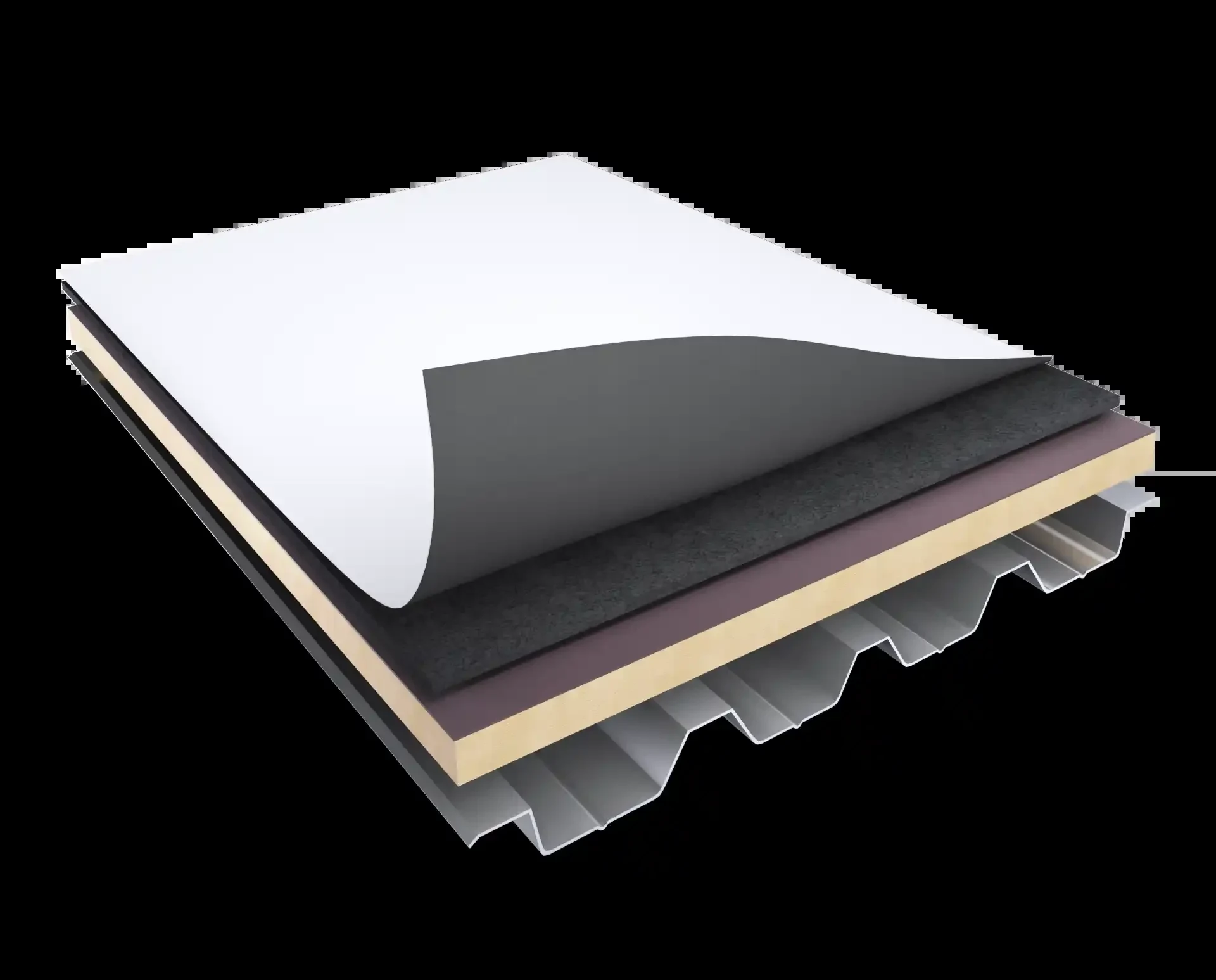
60-Mil TPO Roofing in Ontario, CA
60-mil TPO spec details for Ontario, CA warehouses and retail: membrane construction, attachment options, Title 24 compliance, and 20-year lifecycle math.
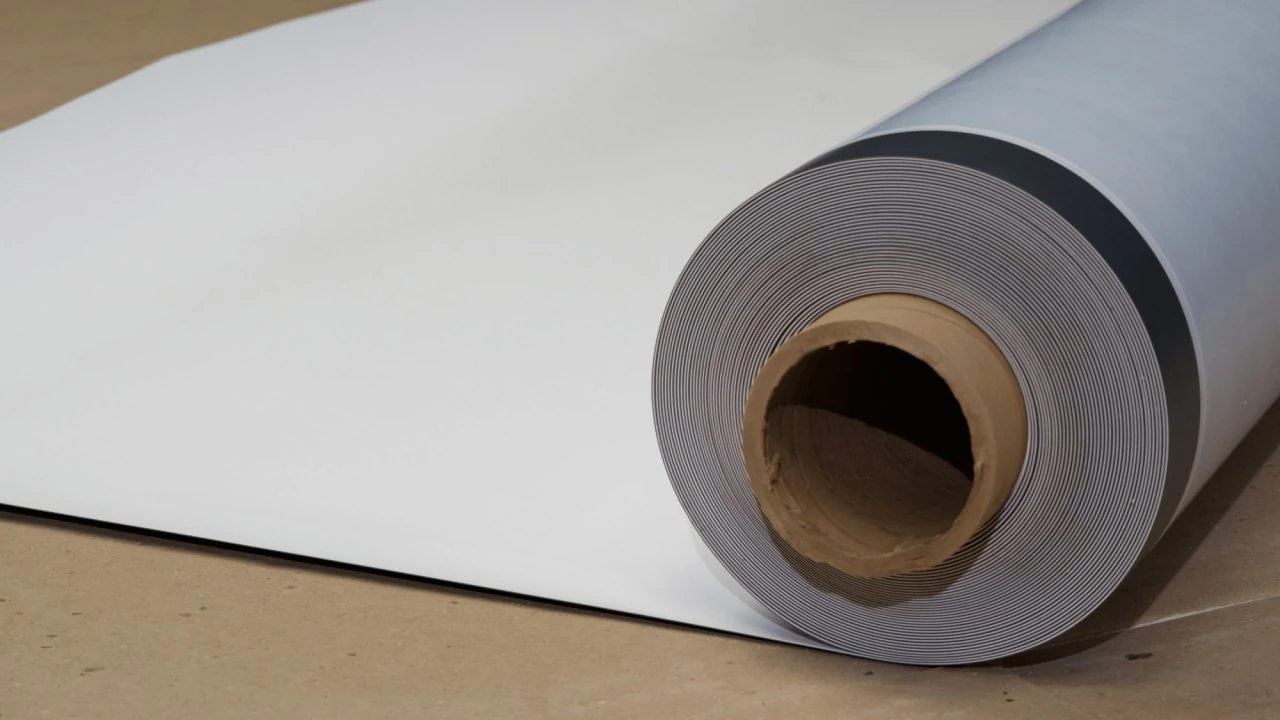
80-Mil TPO Roofing in Ontario, CA
80-mil TPO for Ontario, CA logistics and solar-ready roofs: thickness-over-scrim numbers, 25 to 30-year warranties, and cost-per-year comparisons vs 60-mil.
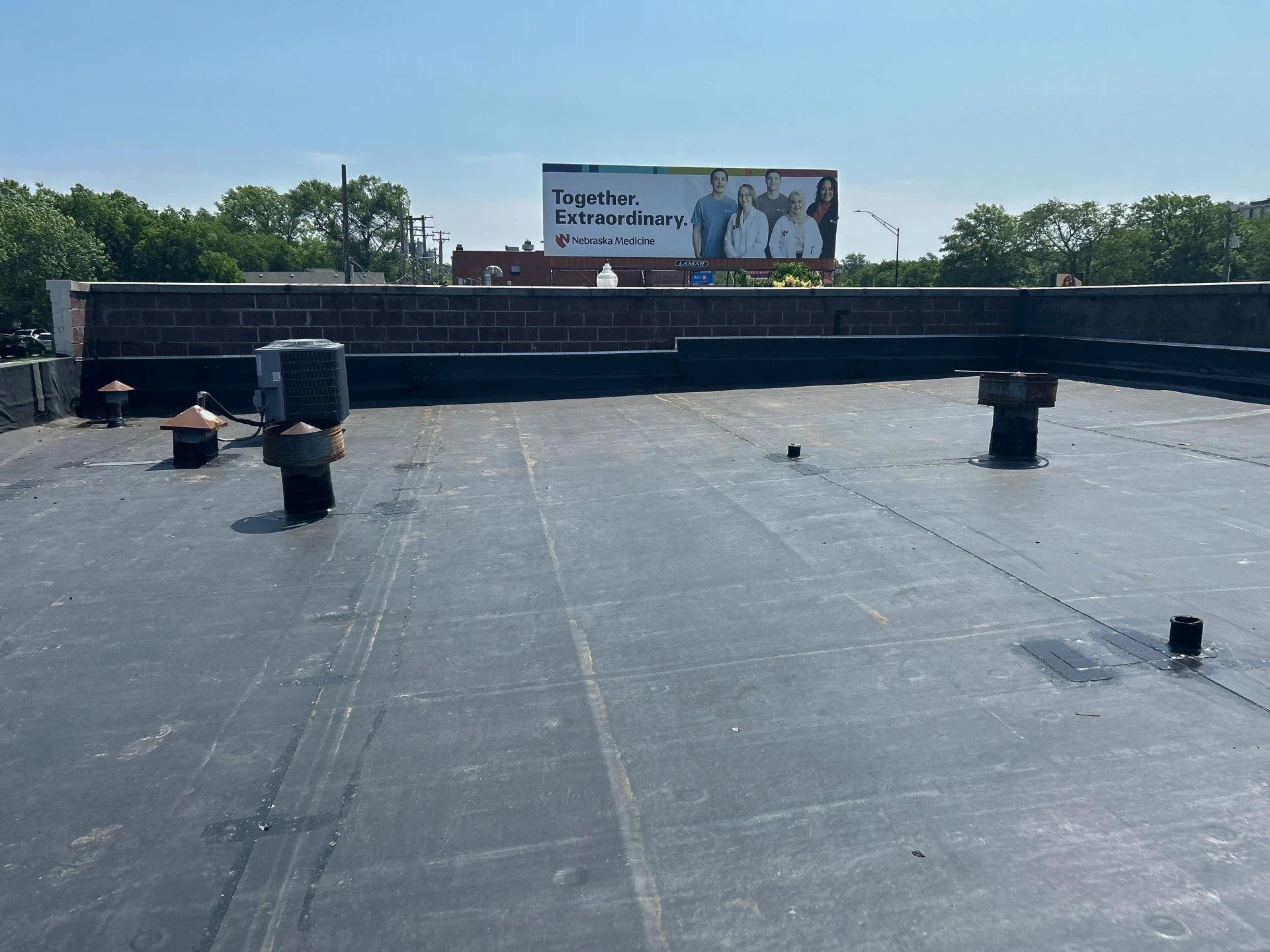
Black EPDM Roofing in Ontario, CA
Black EPDM specs for Ontario, CA: sheet thicknesses, ballast vs. adhered attachment, Title 24 exceptions, and where rubber roofing still beats TPO on cost.
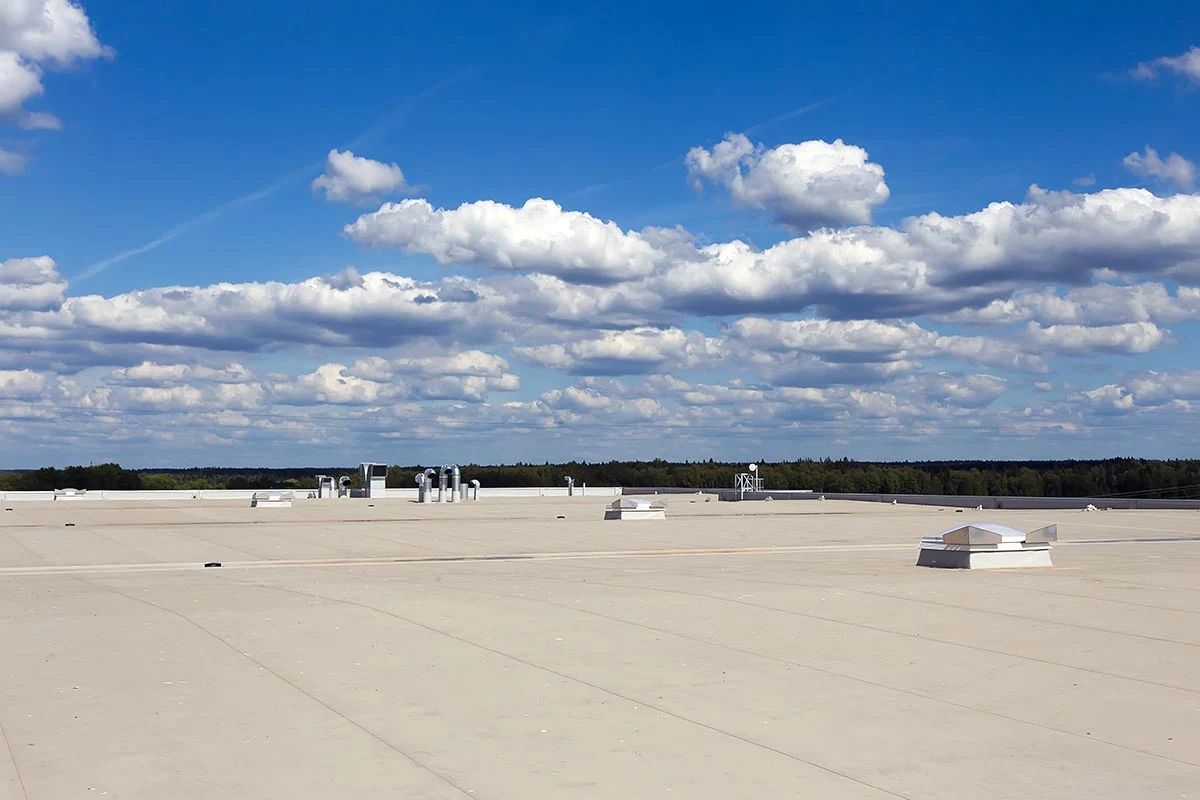
White EPDM Roofing in Ontario, CA
White EPDM for Ontario, CA commercial roofs: how the white surface is built, Title 24 compliance, adhesive-seamed detailing, and long-term reflectivity numbers.
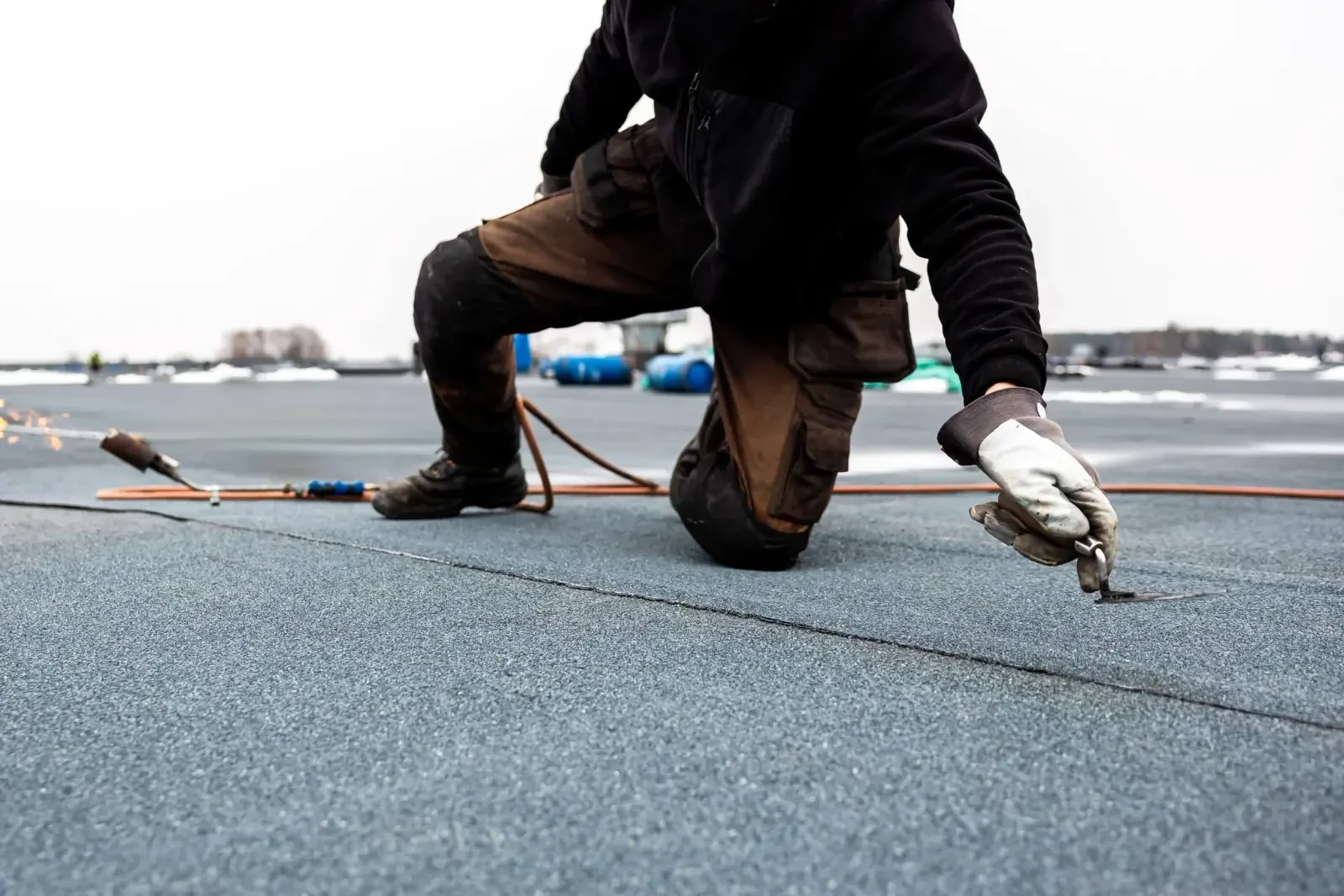
SBS Modified Bitumen Roofing in Ontario, CA
SBS modified bitumen for Ontario, CA's older commercial buildings: application methods, multi-ply redundancy, and where it still beats single-ply membrane.
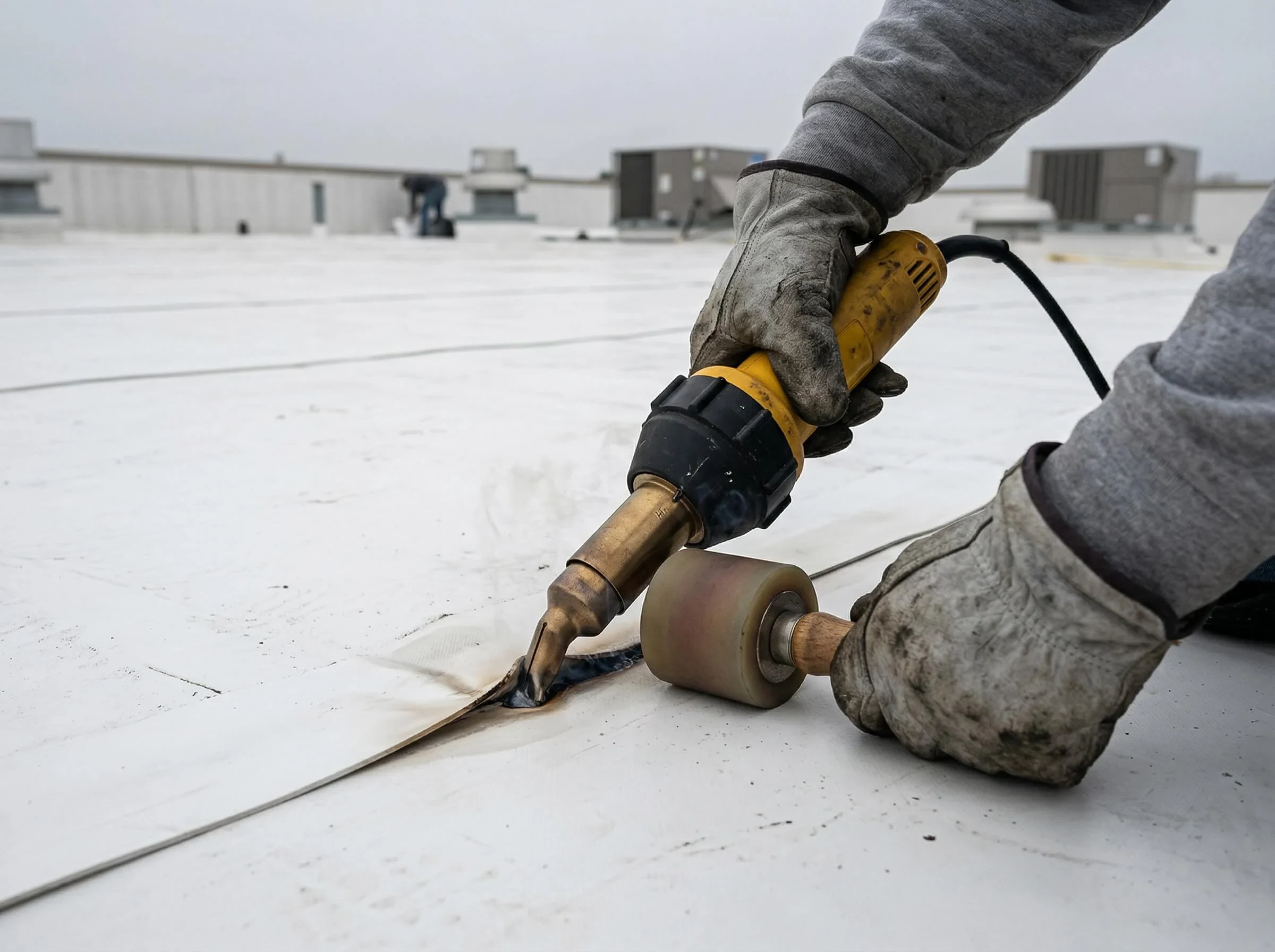
PVC Roofing Systems in Ontario, CA
PVC membrane specs for Ontario, CA restaurants, dealerships, and manufacturing roofs: grease and chemical resistance, weld parameters, and warranty terms.
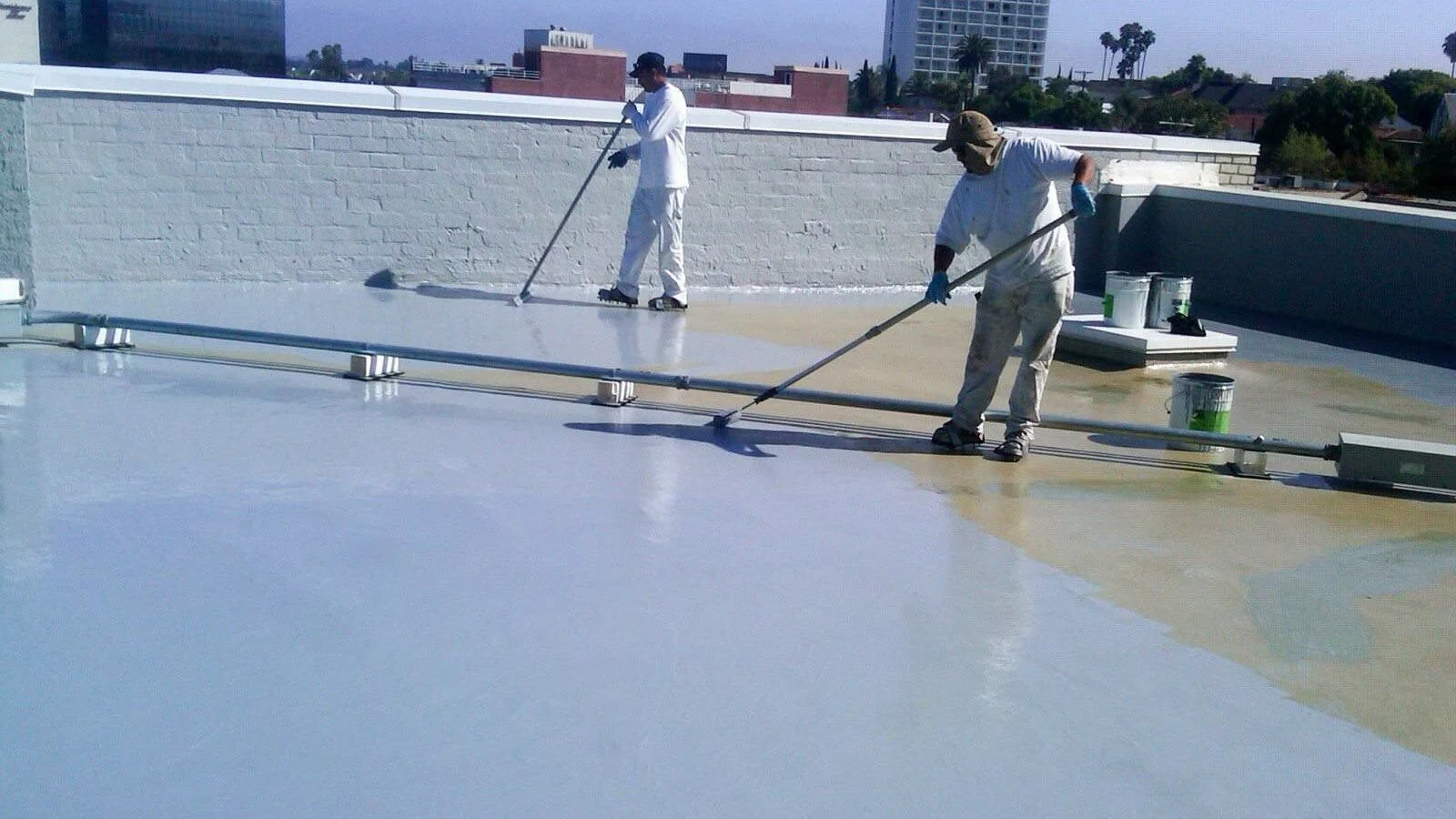
Silicone Roof Coatings in Ontario, CA
Silicone roof coating restoration for Ontario, CA commercial buildings: substrate prep, ponding-water performance, and the math against full tear-off.
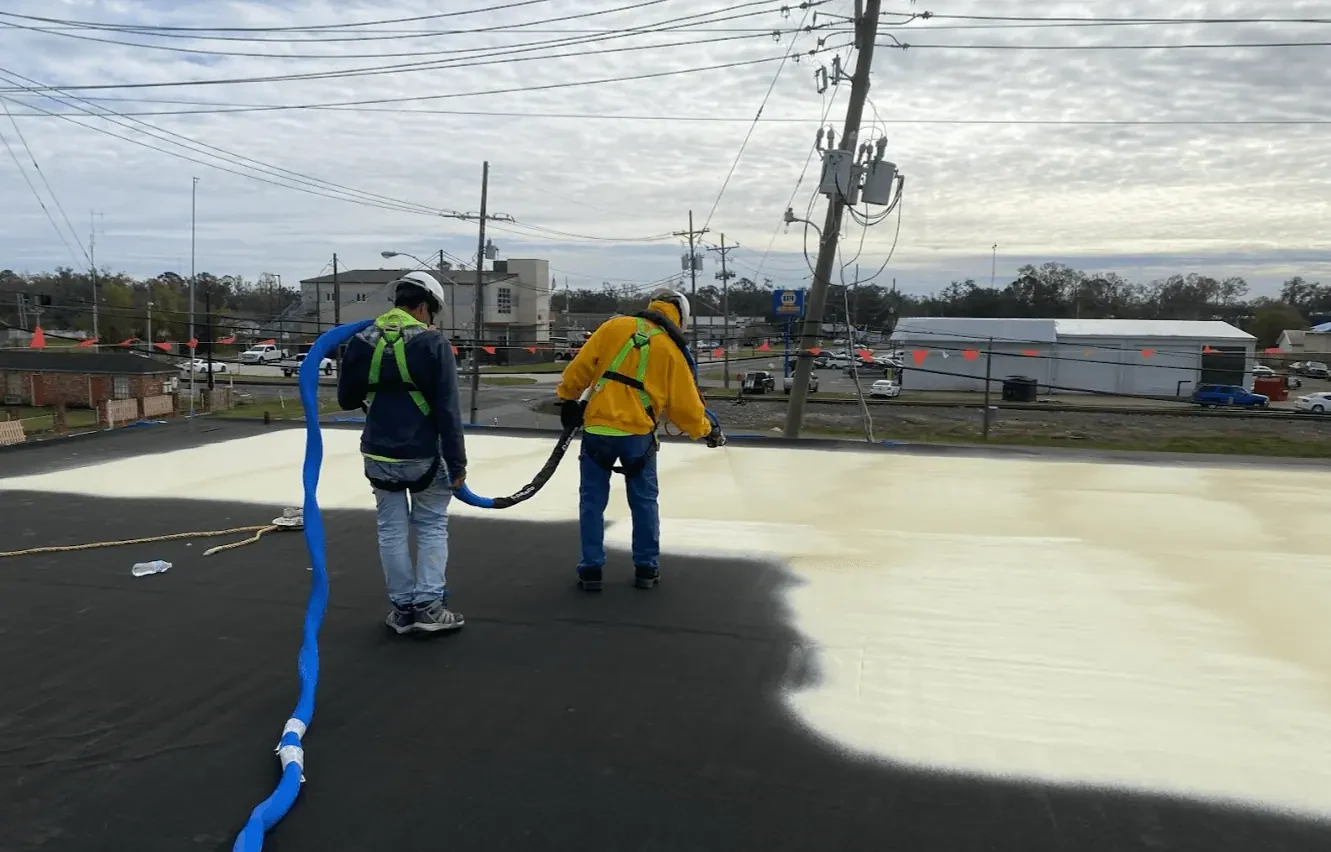
Spray Polyurethane Foam Roofing in Ontario, CA
SPF roofing for Ontario, CA buildings with dense rooftop equipment or ponding issues: application process, R-value math, and recoat maintenance cycles.